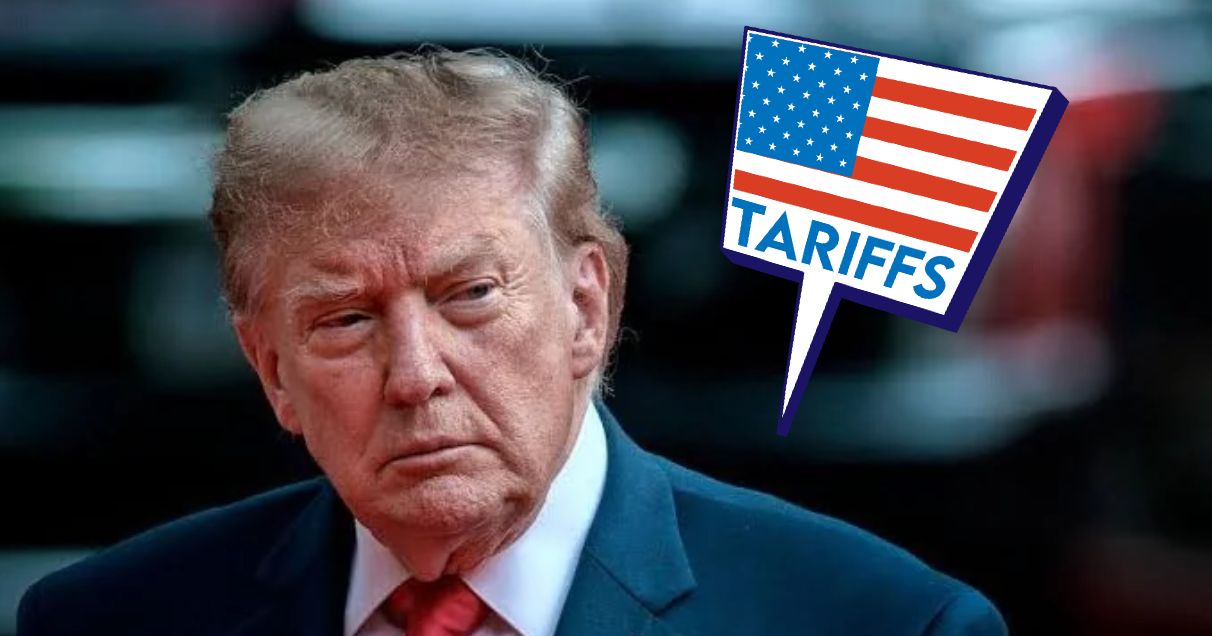
The Trump administration has proposed fresh tariffs on India and 13 other major trading partners, offering New Delhi a lower 17 per cent duty ceiling if it concludes a trade agreement with Washington, while warning that the rate could rise to 25 per cent if negotiations fail.
US President Donald Trump's administration has intensified its trade pressure on India, placing the country among 14 economies facing a fresh round of proposed import duties. The latest move, announced by the Office of the United States Trade Representative (USTR) on Wednesday, makes tariff relief conditional on reaching a trade agreement with Washington.
The proposed measures are not yet in force. The USTR has scheduled a public hearing for January 25 before proceeding with the next steps towards implementation.
For India, the announcement comes at a sensitive stage in bilateral trade negotiations, with the proposed 17 per cent tariff ceiling offering a potential reprieve but leaving the threat of a higher 25 per cent rate if an agreement is not secured.
India Faces Conditional Tariff Relief
Washington's proposal creates two possible tariff outcomes for India, depending on the progress of trade negotiations. A successful agreement would bring the proposed ceiling down to 17 per cent, while a breakdown in talks could expose Indian exports to duties of up to 25 per cent.
The arrangement places considerable pressure on New Delhi to reach an understanding with the Trump administration. The lower rate is not an unconditional concession but part of Washington's broader strategy of using tariff access as leverage in trade negotiations.
Other economies have also been assigned different proposed tariff ceilings.
Cambodia, Indonesia, Malaysia, Thailand and Bangladesh face proposed rates of 18 per cent. Japan, South Korea, Taiwan, the European Union and Switzerland have been assigned a 15 per cent ceiling, inclusive of existing Most Favoured Nation duties.
Singapore's proposed rate stands at 10 per cent. China would face a 20 per cent ceiling under the arrangement, while Vietnam could receive the same rate if it reaches an agreement with Washington. Without a deal, Vietnam's proposed tariff could rise to 35 per cent.
Why Washington Is Targeting These Countries
The latest measures stem from an eight-month investigation conducted under Section 301 of the US Trade Act of 1974. The provision allows the US government to investigate foreign trade practices that it considers unfair or harmful to American commercial interests.
At the centre of the investigation is Washington's allegation that several manufacturing economies are producing goods beyond what their domestic markets and international demand can absorb.
The US administration describes this situation as 'structural excess capacity'. It argues that government subsidies, financial assistance, industrial incentives and policies affecting wages and labour costs give foreign manufacturers an advantage over American companies.
The investigation has also examined the use of non-market economy inputs and other government-backed industrial practices that Washington believes distort global competition.
US Trade Representative Jamieson Greer said the proposed action was aimed at addressing industrial policies that weaken America's manufacturing sector and undermine fair competition.
India's inclusion alongside China, Japan, South Korea and the European Union indicates the broader reach of the investigation, which could have implications for major manufacturing and export-driven economies.
China Faces Higher Duties If Trade Truce Breaks Down
China remains one of the most significant targets of Trump's latest tariff strategy. Beijing has consistently rejected allegations of industrial overcapacity, arguing that Washington is using the issue to justify restrictions on Chinese exports.
Under the proposed framework, Chinese imports would face a tariff ceiling of 20 per cent in line with the existing trade understanding between the two countries, which is scheduled to expire on January 10.
However, the rate could increase to 40 per cent if the current arrangement collapses.
These proposed duties would come on top of tariffs imposed on Chinese products during Trump's first presidential term, which amount to approximately 25 per cent.
The USTR has also indicated that the new measures would exclude around $30 billion worth of Chinese imports currently being considered for possible tariff reductions through a bilateral mechanism known as the Board of Trade.
The potential increase highlights the fragility of the US-China trade understanding and the possibility of another escalation between the world's two largest economies.
Trump's Protectionist Trade Agenda Faces Domestic Resistance
The latest tariff announcement comes at a time when Trump's trade policies are facing growing criticism within the United States.
Despite electoral setbacks for Republicans in the midterm elections, the administration has shown little willingness to retreat from its protectionist approach. Higher import duties have raised concerns about the cost of goods for American consumers, adding to the political debate over the economic impact of tariffs.
A Reuters/Ipsos survey conducted following the Republicans' midterm losses found that 62 per cent of respondents supported repealing the tariffs.
Trump, however, has continued to defend his trade strategy and pledged to restore duties that were struck down by the US Supreme Court in February. His position suggests that the administration intends to explore alternative legal routes to maintain its tariff programme.
Global Markets React to Fresh Trade Uncertainty
The announcement also added to nervousness in financial markets, with major US stock indices opening more than 1 per cent lower on Wednesday.
Technology stocks faced particularly heavy selling pressure, with the Nasdaq Composite declining by more than 3 per cent.
The proposed duties have raised fresh concerns about international trade flows, manufacturing costs and the possibility of retaliatory measures by affected economies.
For India, the immediate challenge will be to navigate negotiations with Washington while protecting the interests of its exporters. With the proposed tariff framework linking lower duties to a trade agreement, the coming weeks could prove important for the future direction of India-US economic relations.