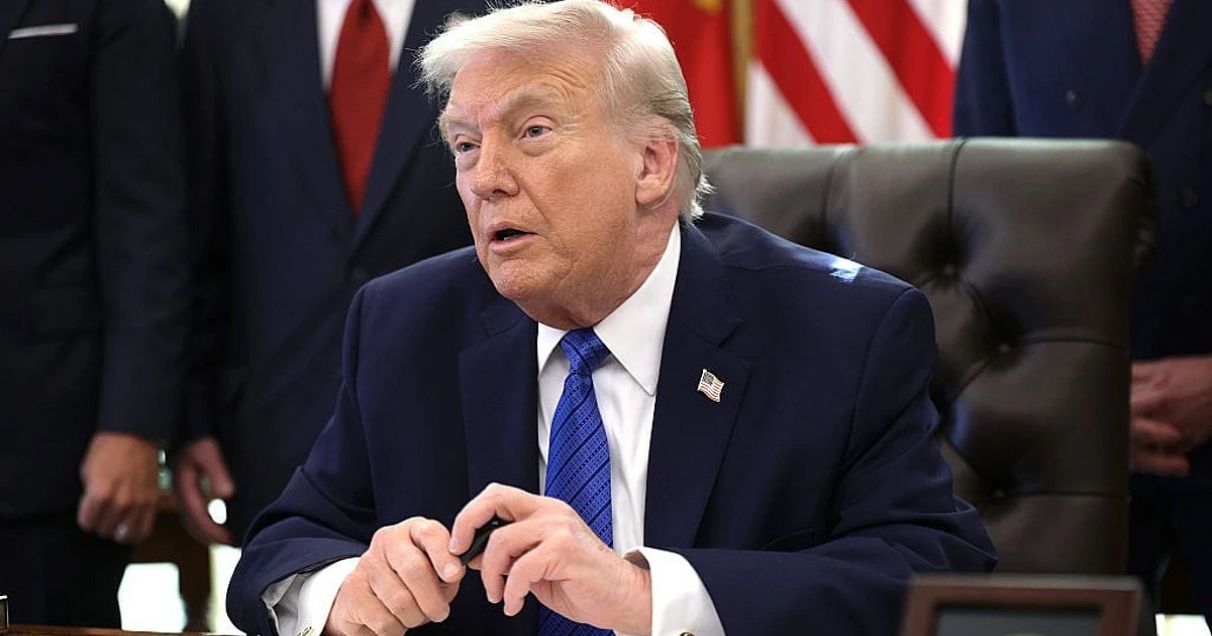
US President Donald Trump has announced the completion of the American military withdrawal from Iraq, marking the end of the US-led Operation Inherent Resolve mission in the country after more than a decade of fighting Islamic State.
The final US-led coalition forces and equipment departed from Erbil Air Base in northern Iraq on September 30, bringing the Iraq-based military operation to a close. The Pentagon said the withdrawal was part of a planned transition towards a bilateral US-Iraq defence relationship.
Trump welcomed the development on Truth Social, describing the withdrawal as a "Great Day for America" and saying the United States was returning home after years of military involvement in Iraq.
Trump: 'There Is No Longer A Caliphate'
Trump said the US mission in Iraq had its roots in the 2003 invasion launched under then-President George W Bush.
He also referred to the subsequent administrations of Barack Obama and Joe Biden, while taking credit for his administration's role in defeating ISIS.
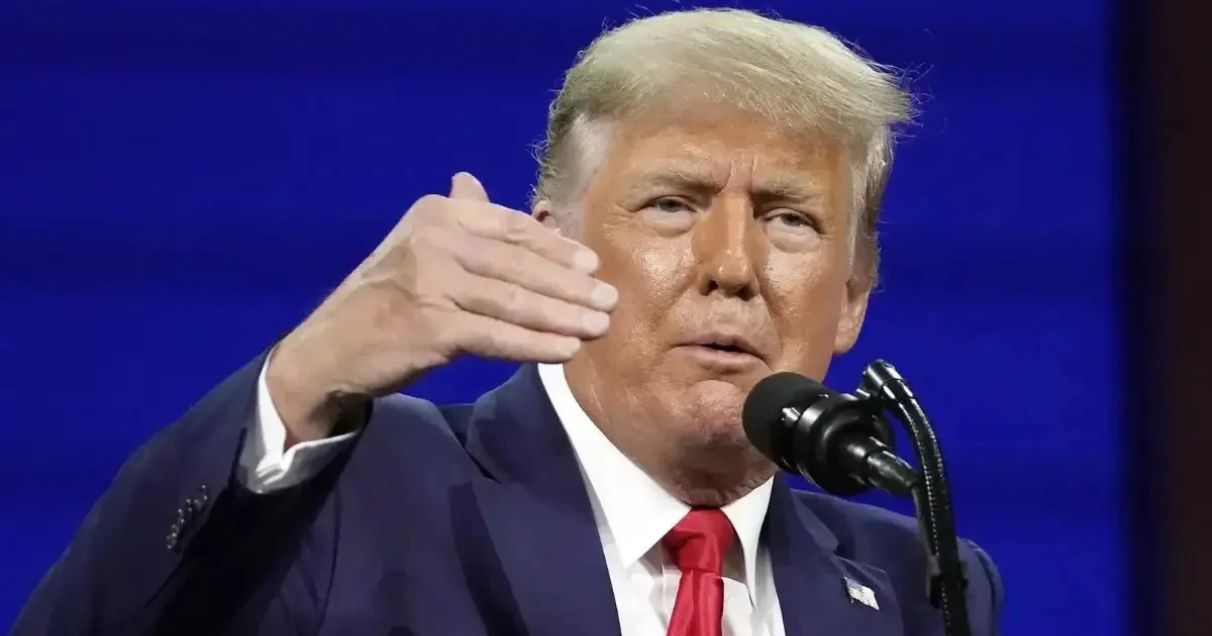
"We came to fight a caliphate. There is no longer a caliphate. We are going home!" Trump said.
The US-led coalition's military mission against ISIS formally began in 2014, when the militant group seized significant territory in Iraq and Syria. The campaign helped Iraqi and Kurdish forces retake territory held by the group, although ISIS has continued to operate through smaller networks and sleeper cells.
US Central Command said the Iraq mission had successfully concluded, while the broader coalition structure continues to operate from Jordan for counter-ISIS activities in Syria.
Withdrawal Agreed Under 2024 US-Iraq Deal
Although the final pullout took place under Trump's presidency, the timetable for ending the Iraq-based coalition mission was agreed between Washington and Baghdad in 2024.
The arrangement provided for a phased reduction of US-led coalition forces and a transition towards a bilateral security relationship between the two countries.
The United States had already withdrawn troops from several Iraqi bases, retaining a presence in the semi-autonomous Kurdistan region until the final stage of the pullout.
Trump compared the departure from Iraq with the US withdrawal from Afghanistan and described the Iraq exit as an orderly movement of troops and military equipment.
Trump Praises Iraq's New Prime Minister
Trump also praised Iraqi Prime Minister Ali Faleh al-Zaidi in his statement, saying he had backed Zaidi and highlighting his electoral victory.
The Iraqi government has presented the withdrawal as a new phase in which Iraqi forces assume primary responsibility for national security. Zaidi has described the departure of foreign troops as a step towards greater Iraqi sovereignty.
Security Concerns Remain After US Exit
The end of the US military mission has also triggered debate over Iraq's security environment.
Iraqi and regional security analysts have warned that the departure could create greater space for Iran-backed armed groups to expand their influence. Others have raised concerns about whether the absence of US intelligence, logistical assistance and other military capabilities could make it harder to contain ISIS sleeper cells.
Reuters reported that some Iraqi security experts see the withdrawal as potentially increasing Tehran's influence, while concerns have also been raised about the possibility of ISIS remnants exploiting any security gaps.
The US withdrawal does not, however, mean the complete end of American involvement in the region. Washington is continuing counter-ISIS operations in Syria and has shifted the headquarters of the Combined Joint Task Force-Operation Inherent Resolve to Jordan.
From 2003 Invasion To Final Withdrawal
The latest development closes a military chapter that began with the US-led invasion of Iraq in March 2003, which removed Saddam Hussein's government.
The invasion was followed by years of insurgency, sectarian violence and political instability. The US withdrew its combat forces in December 2011, but returned to Iraq three years later after ISIS captured large areas of the country.
Between 2014 and 2017, Iraqi and Kurdish forces, backed by the US-led coalition, fought to dismantle ISIS's territorial control. The militant group's territorial "caliphate" was ultimately defeated, although its remnants continued to carry out attacks.
The final departure from Erbil on September 30 therefore marks the end of the Iraq-based Operation Inherent Resolve mission, while Washington and Baghdad move towards a different model of security cooperation.