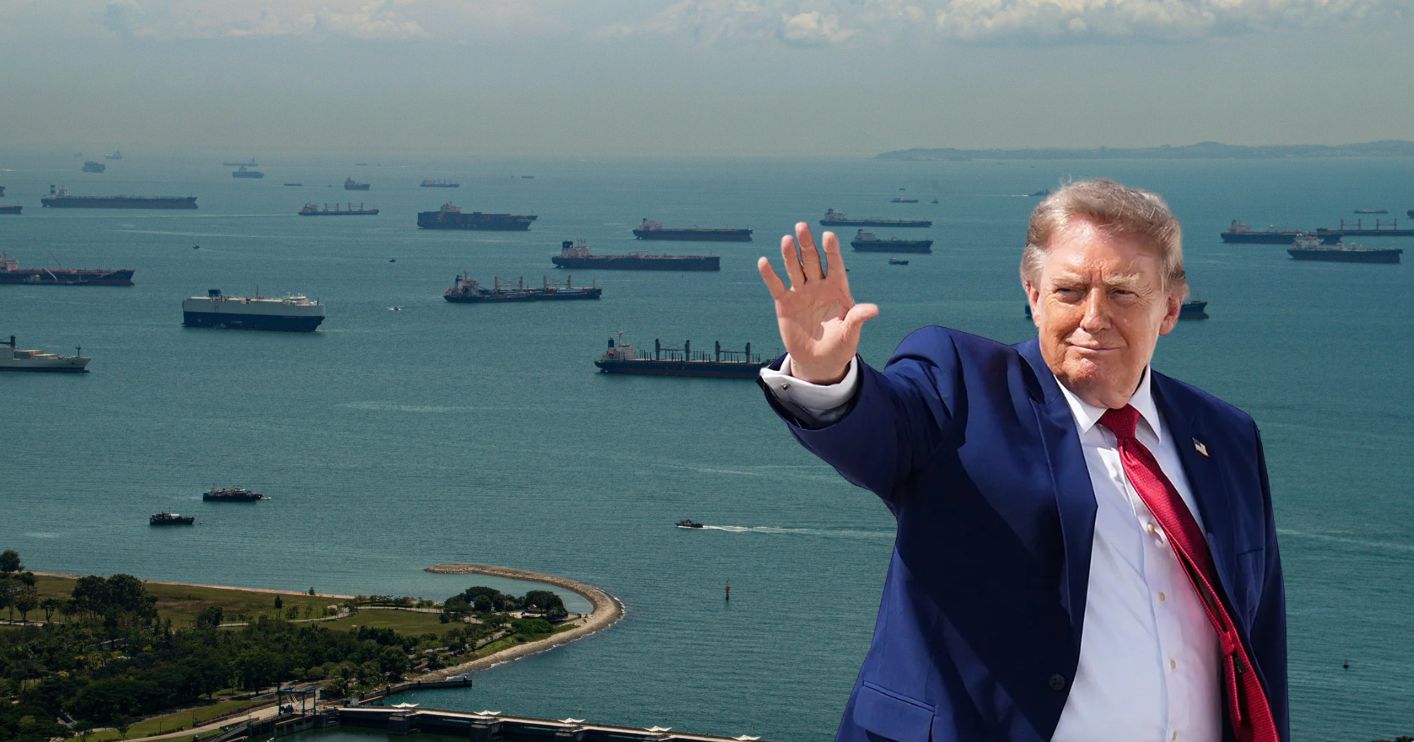
US President Donald Trump has once again claimed that the United States controls the Strait of Hormuz, saying Washington intends to maintain its hold over the strategically vital waterway.
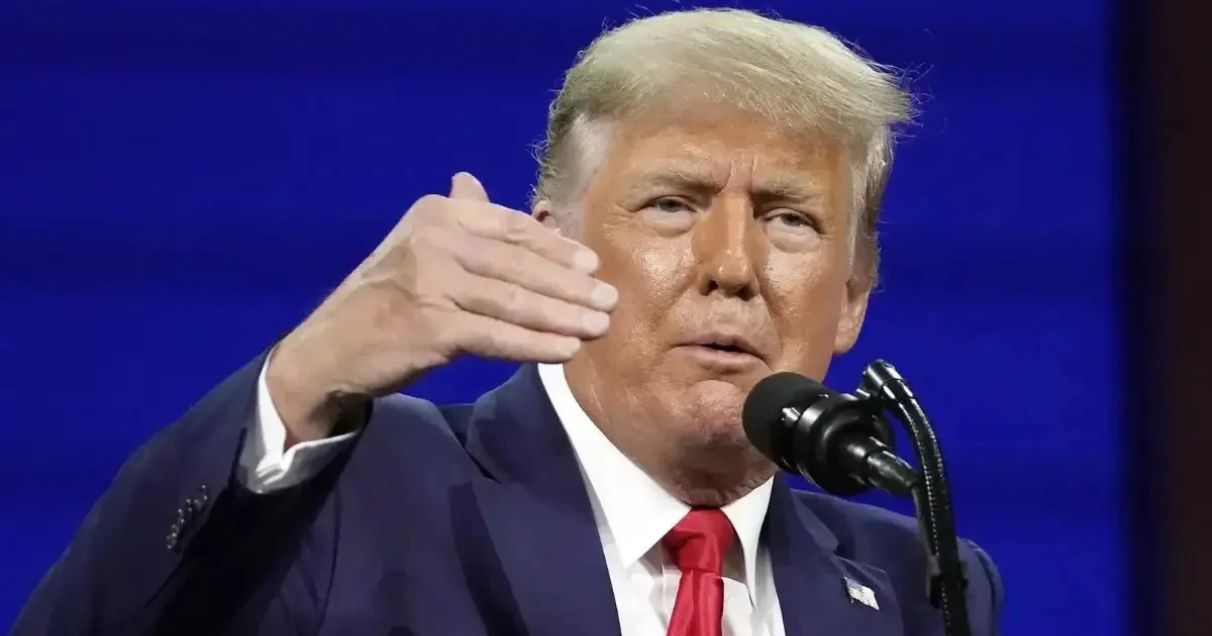
In a post on Truth Social on Wednesday, Trump described the US naval operation as a powerful blockade and said it was being referred to as a “wall of steel”. He also argued that Iran lacks the military capability to challenge the US presence in the region.
The Strait of Hormuz is one of the world's most important maritime routes for energy shipments, making the continuing standoff between Washington and Tehran a major concern for global trade and oil markets.
Trump says US will retain control
Trump said the US has “total control” of the Strait and indicated that he intends to maintain that position.
He also claimed that Iran's military has been severely weakened, pointing to what he described as the destruction of much of its naval and air capabilities and the weakening of the Islamic Revolutionary Guard Corps.
His latest comments come as the number of vessels moving through the waterway remains sharply below pre-war levels. According to recent shipping data cited by Al Jazeera, only eight vessels crossed the strait on Tuesday, compared with roughly 130 to 140 crossings before the war.
Iran rejects US claim
Tehran has rejected Washington's assertion of control over the waterway.
Iran has maintained that the Strait of Hormuz will not return to normal operations unless the US ends its naval blockade, releases frozen Iranian assets, removes sanctions and provides compensation for wartime losses.
Iran's Revolutionary Guards have also described the strait as part of the ongoing conflict rather than simply an international shipping route.
The dispute has effectively turned control and access to the waterway into a central point of confrontation between the two countries.
Why the Strait of Hormuz matters
The narrow passage between Iran and Oman connects the Persian Gulf with the Gulf of Oman and the wider Arabian Sea. It is a crucial route for international energy supplies.
Any prolonged disruption has the potential to affect oil transportation, shipping costs and energy prices worldwide.
The current crisis has already caused a substantial reduction in maritime traffic through the waterway, while Washington and Tehran remain divided over the conditions required for normal shipping to resume.
Standoff continues
Trump's latest statement suggests that the US has no immediate intention of relinquishing its position around the strait.
Iran, meanwhile, has linked the reopening of the waterway to a broader set of demands, including the removal of the American naval blockade and sanctions.
With the two sides still far apart, the Strait of Hormuz remains at the centre of the wider US-Iran confrontation, with its status carrying implications far beyond the region.