The fragile calm in the Middle East came under renewed strain after US President Donald Trump issued a strong warning to Iran, signalling the possibility of additional military action while claiming that Tehran's defence capabilities had already been significantly weakened.
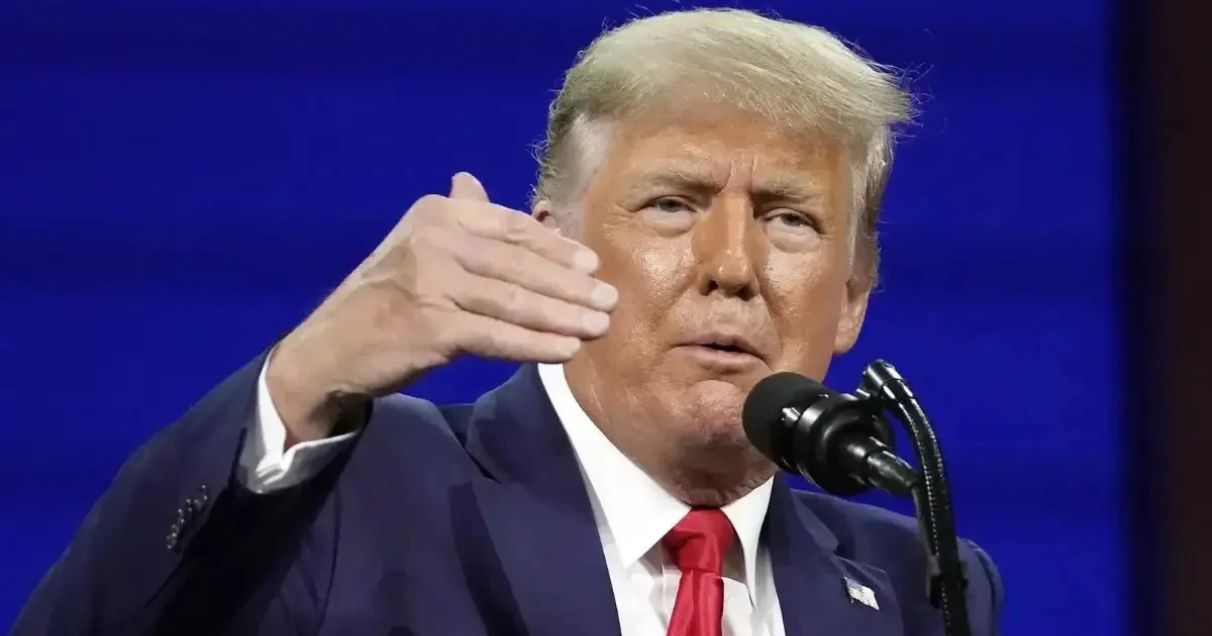
In a series of public remarks, Trump stated that the United States was prepared to intensify its response if Iran failed to meet Washington's demands. He also revived his controversial proposal of exerting greater control over key Iranian energy assets in the future, arguing that such a move would strengthen American strategic interests.
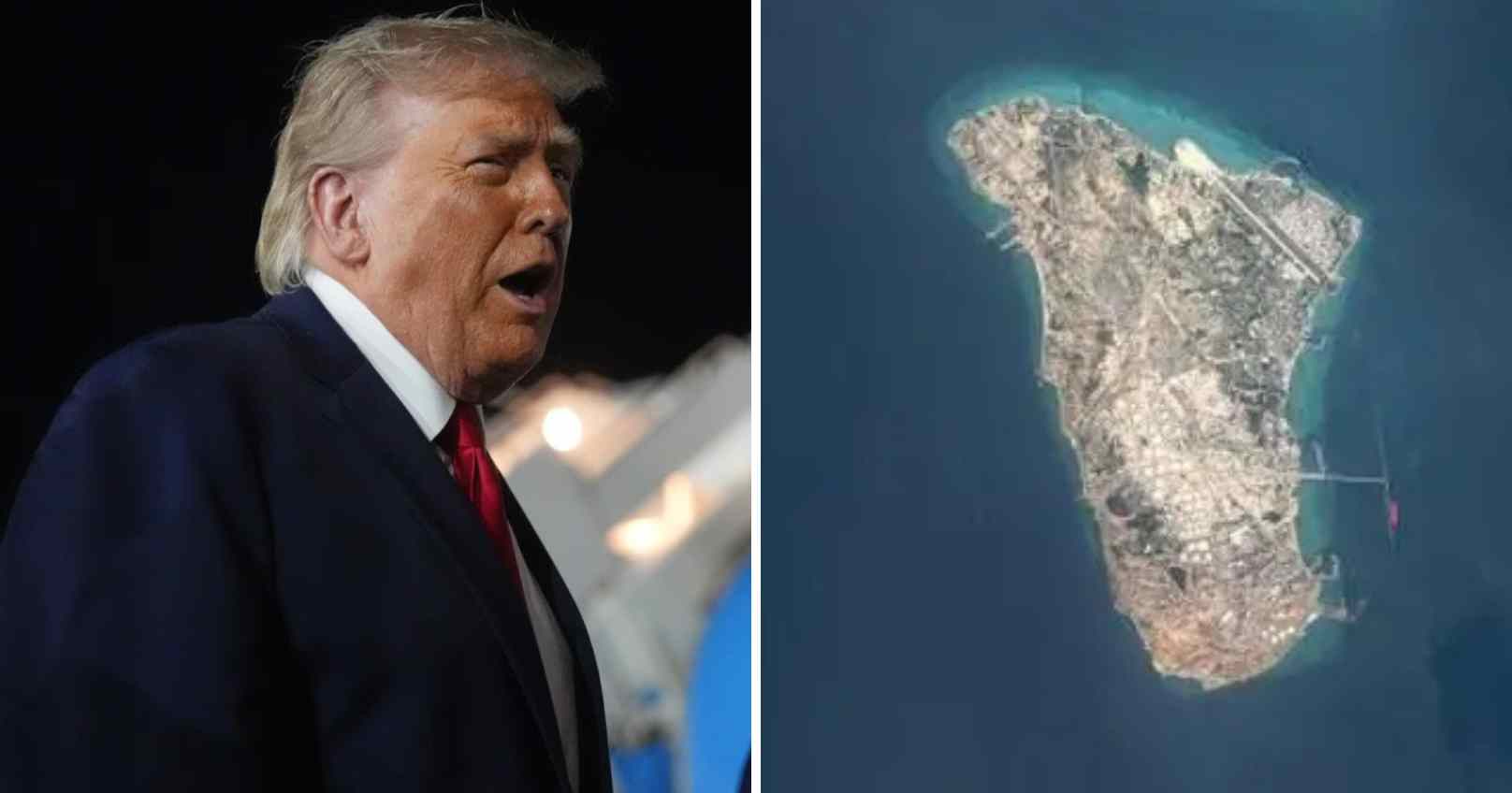
Among the facilities mentioned was Kharg Island, a critical hub for Iran's petroleum exports. The island plays a central role in the country's energy sector and serves as one of the primary gateways for crude oil shipments to international markets.
Military Escalation Continues
The latest comments came as hostilities persisted across the region despite efforts to restore stability.
Recent US military operations reportedly targeted Iranian defence-related infrastructure, including surveillance networks, communication systems and air-defence installations. American officials described the action as a response to ongoing security concerns and regional threats.
Trump suggested that military pressure could increase further unless Iran quickly moved towards an acceptable agreement with Washington.
Iran Responds With Regional Strikes
Iran, meanwhile, responded with attacks targeting American military interests in the Gulf region.
According to statements attributed to Iranian military authorities, multiple US-linked facilities were targeted, including bases and strategic locations used by American forces. Iranian officials also claimed responsibility for missile launches directed at military installations in neighbouring countries.
The exchange of strikes has heightened fears of a broader regional confrontation, with analysts warning that further escalation could destabilise an already volatile security environment.
Negotiations Continue Behind the Scenes
Despite the sharp rhetoric and military activity, diplomatic channels remain active.
Trump indicated that communication between Washington and Tehran has continued, with both sides exploring possibilities for a preliminary understanding aimed at reducing tensions.
Reports suggest that negotiators have made progress on certain issues but remain divided over several key matters, particularly the future of Iranian financial assets frozen abroad.
Iran is believed to be seeking access to billions of dollars held outside the country, while US officials reportedly favour a phased approach tied to specific conditions and humanitarian purposes.
Sources familiar with the discussions say both sides recognise the growing costs of continued conflict, creating pressure to find a diplomatic path forward.
Kharg Island Remains Strategically Important
Much of the recent discussion has centred on Kharg Island, which remains one of Iran's most important energy export terminals.
Given its significance to global oil markets and Iran's economy, any disruption involving the island could have far-reaching implications for energy prices and international trade.
Experts note that developments surrounding the facility are being closely monitored by governments, investors and energy markets worldwide.
Uncertain Road Ahead
While negotiations continue, the situation remains highly unpredictable. Military operations, political messaging and diplomatic talks are unfolding simultaneously, making it difficult to determine whether the region is moving toward de-escalation or a deeper crisis.
For now, both Washington and Tehran appear to be balancing pressure and diplomacy, with the outcome likely to influence regional stability and global energy markets in the weeks ahead.