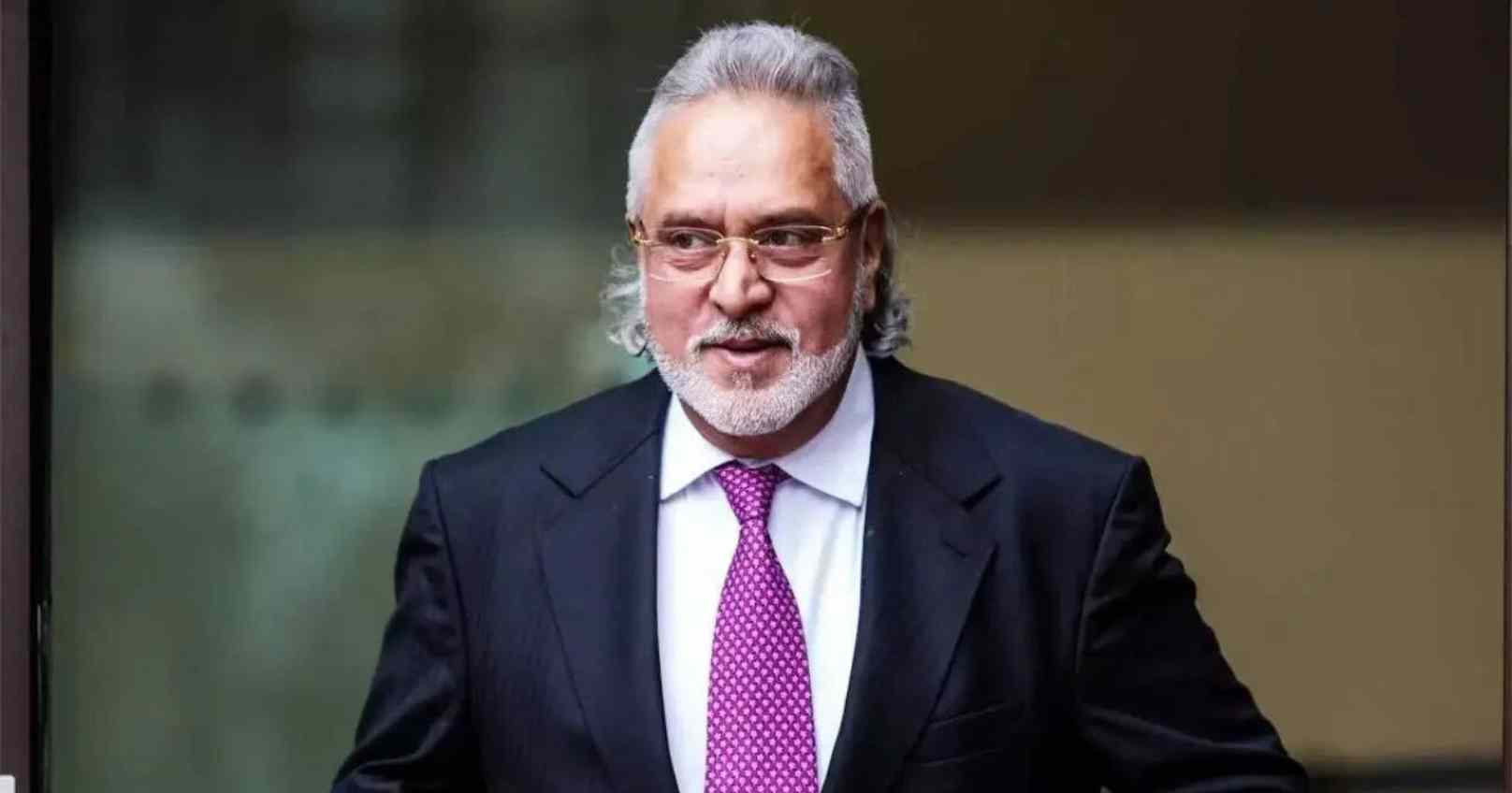
Fugitive liquor baron Vijay Mallya on Wednesday told the Bombay High Court that he is unable to specify when he can return to India, citing restrictions imposed by courts in the United Kingdom.
The submission was made through his lawyer, Amit Desai, before a bench led by Chief Justice Shree Chandrashekhar and Justice Gautam Ankhad. The clarification came after the High Court had earlier asked Mallya to state whether he planned to come back to India to face trial while continuing his legal challenge against being declared a Fugitive Economic Offender and questioning the constitutional validity of the Fugitive Economic Offenders Act.
Mallya, who departed India in March 2016, faces allegations of defaulting on loans amounting to thousands of crores of rupees. In January 2019, a special court dealing with cases under the Prevention of Money Laundering Act designated him a fugitive economic offender, triggering extradition proceedings.
In his written response, Mallya stated that, under orders issued by UK courts, he is prohibited from leaving England and Wales or applying for, or holding, international travel documents. As a result, he said he cannot provide a definite timeline for his return to India.
His counsel further argued that Mallya’s physical presence in India is not required for the High Court to adjudicate his petitions challenging both the fugitive offender declaration and the provisions of the law under which it was made.
Opposing the plea, Solicitor General Tushar Mehta, representing the Centre, contended that Mallya had approached the High Court under its extraordinary writ jurisdiction, which is discretionary and equitable in nature. He argued that an individual who does not comply with the law cannot seek such relief from the court.
After hearing both sides, the bench directed that Mallya’s informal statement be formally submitted as an affidavit and scheduled the matter for further hearing next month.