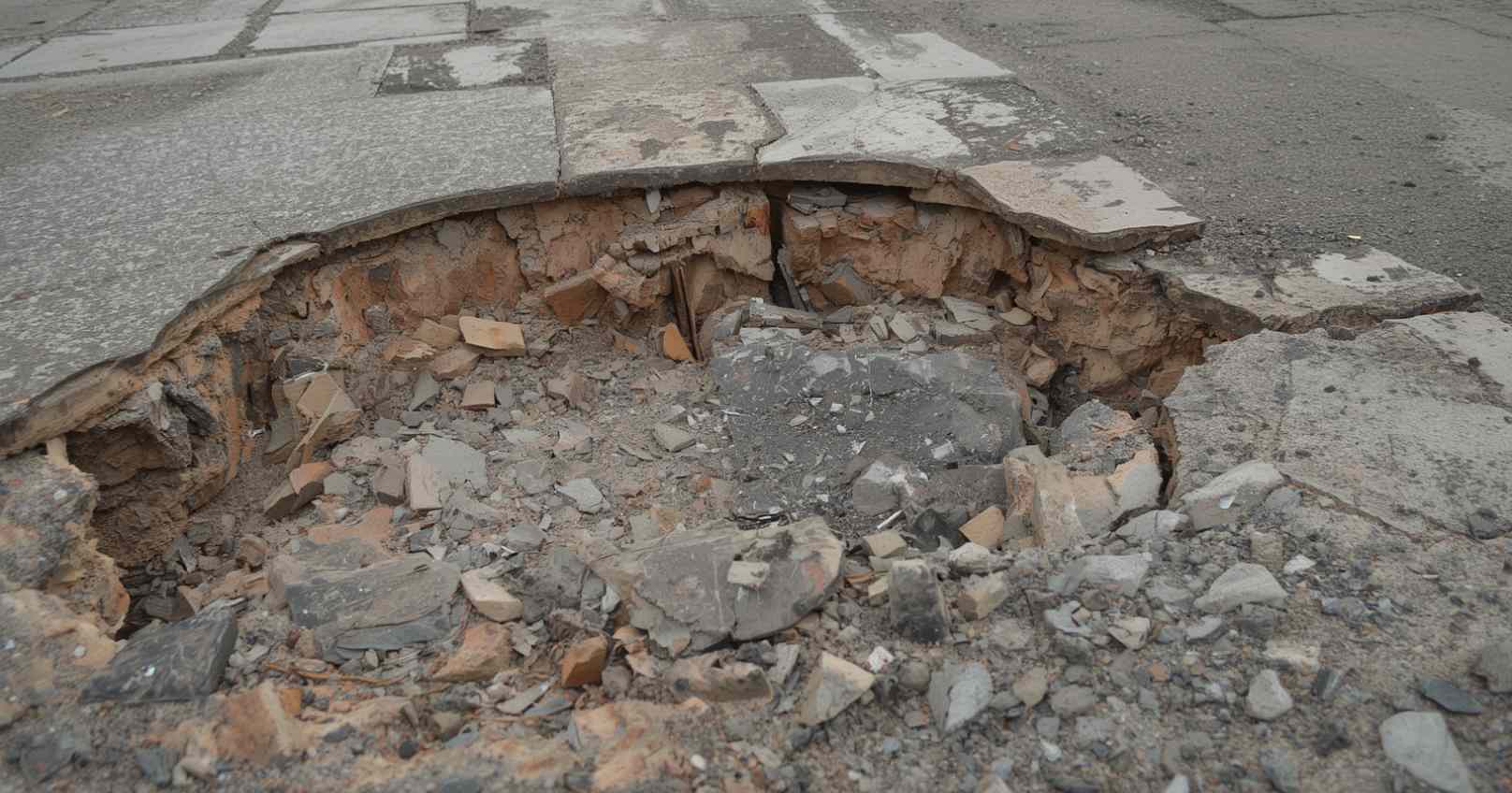
A strong earthquake measuring 6.2 on the Richter scale struck Afghanistan's Hindu Kush region on Saturday evening, causing tremors to be felt across a vast stretch of South and Central Asia. There were no immediate reports of deaths or major damage.
According to preliminary seismic data, the earthquake occurred at around 7:04 pm IST at a depth of approximately 215 kilometres beneath the surface. The epicentre was located nearly 81 kilometres from Kalafgan in northeastern Afghanistan.
Because the quake originated deep underground, its impact was felt across multiple countries, including Afghanistan, Pakistan, India, China, Tajikistan, Uzbekistan, Kyrgyzstan and Turkmenistan. Experts note that deep-focus earthquakes often produce tremors over large distances but are generally less destructive at ground level than shallow earthquakes of similar magnitude.
In Pakistan, residents in several northern regions, including Swat, reported experiencing strong shaking. Many people rushed out of their homes as a precaution, fearing possible aftershocks. Witnesses described scenes of panic, with families gathering in open spaces immediately after the tremors subsided.
Seismologists classify a 6.2-magnitude earthquake as a significant seismic event. However, the extent of damage depends on several factors, including the quake's depth, proximity to populated areas and the resilience of local infrastructure.
The latest earthquake comes amid heightened seismic activity across the Indian subcontinent over the past day.
Earlier on Friday, a 3.2-magnitude earthquake struck Himachal Pradesh's Chamba district. The shallow tremor occurred at a depth of about five kilometres, with its epicentre located north of Dharamshala. No casualties or property damage were reported.
Pakistan also experienced a series of earthquakes within the last 24 hours. According to the European-Mediterranean Seismological Centre (EMSC), four separate tremors were recorded, with the strongest measuring 5.5 in magnitude. That earthquake struck Balochistan at a depth of around 40 kilometres. Authorities have not reported any casualties or significant damage from those events.
Officials across the affected regions continue to monitor the situation, while disaster management agencies remain on alert for any aftershocks or fresh developments.