The performance review was presented at the Cabinet meeting and examined the social media activity of ministers between May 1 and August 15, 2026, according to sources cited in the report.
Rather than simply comparing ministers with each other, the assessment evaluated the reach and engagement generated by their content across Instagram, X and Facebook.
The ranking considered several indicators, including the number of posts published each day, overall engagement, engagement generated per post, total and average likes, and follower strength across the three platforms.
PM Modi secured the top position in the overall assessment.
The findings come as the government has increasingly focused on social media formats that appeal to younger users. Instagram, in particular, has become an important part of the government's communication strategy, with political messaging increasingly being delivered through short videos, reels and more informal content.
Modi adopts a more informal digital style
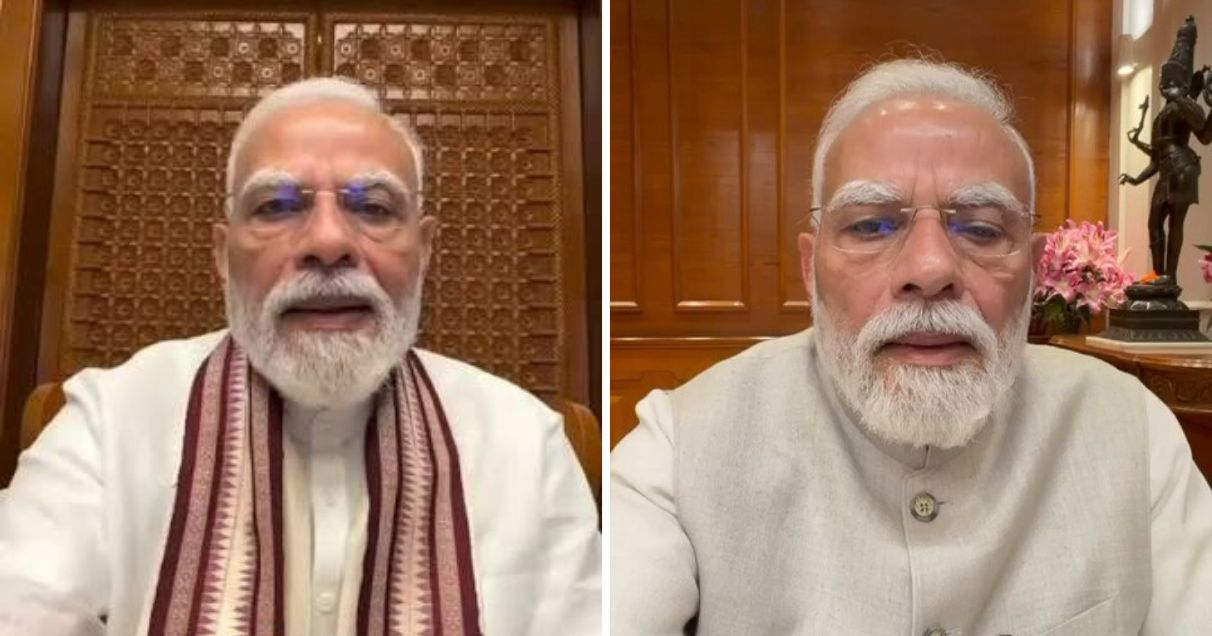
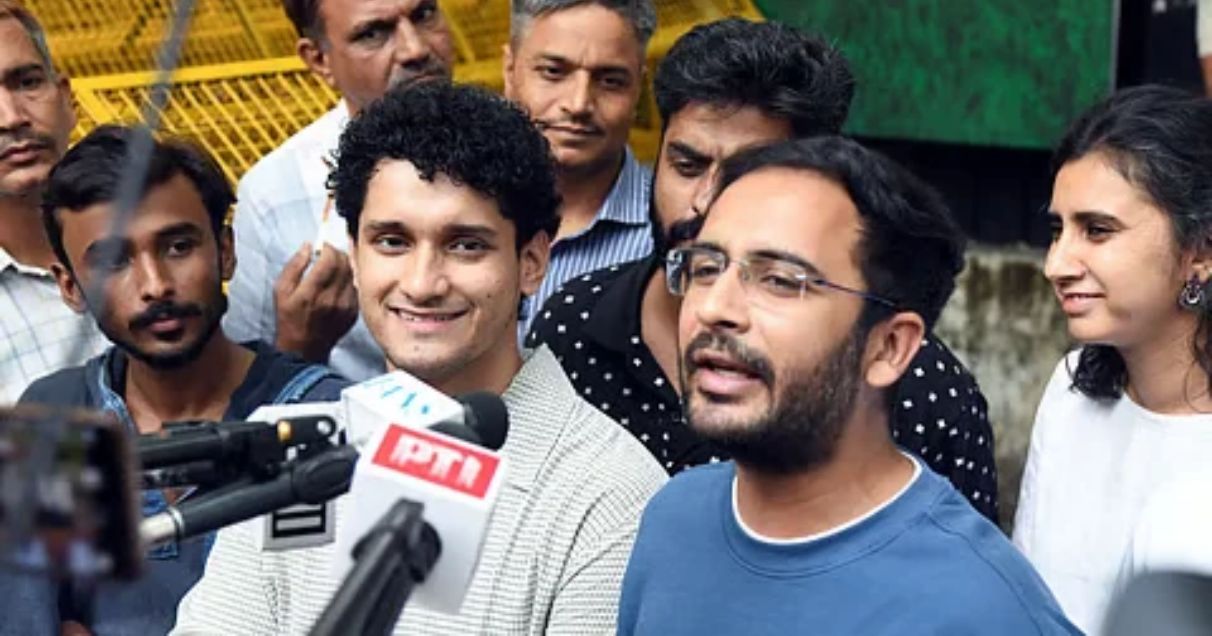
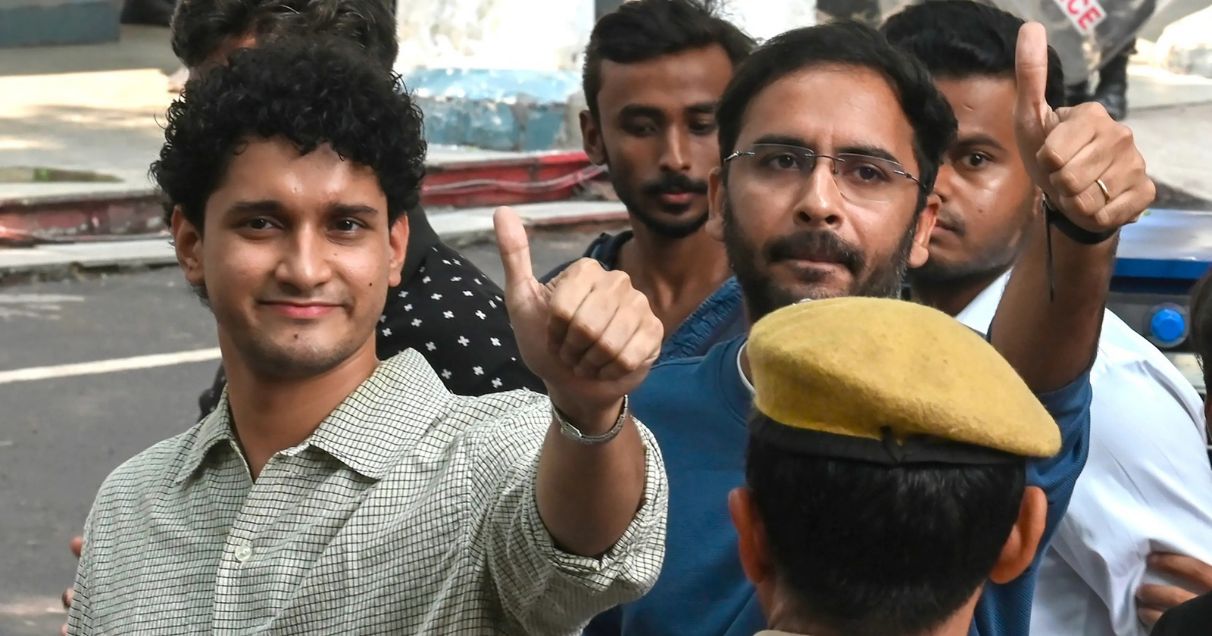
One notable example came on July 31, during the period of heightened student protests in Delhi. Modi posted a vertically filmed Instagram video that began with the casual greeting, “Hi, friends.”
His recent digital output has increasingly featured shorter videos and a less formal presentation style, resembling the formats commonly used by social media creators.
Reuters reported that following the protests, Modi encouraged Union ministers to increase their activity on platforms popular among younger Indians and produce videos with a more natural, less heavily edited appearance.
Government departments have also been broadening their digital presence. The Ministry of External Affairs announced on August 7 that it would expand its outreach to Snapchat, reflecting the wider push towards platforms frequented by younger audiences.
Why Instagram matters to political communication
Instagram has become an increasingly influential channel for reaching India's younger population. Unlike platforms that primarily revolve around text-based updates, Instagram relies heavily on reels, short videos and visual narratives.
Its recommendation-driven system can also expose posts to people who do not already follow an account, potentially giving political figures a larger audience beyond their established digital base.
Across the world, politicians have increasingly used Instagram to combine formal announcements with campaign material, personal moments and behind-the-scenes footage.
Modi has similarly relied on digital platforms since becoming prime minister in 2014, using them to communicate directly with citizens without depending solely on traditional media.
Engagement does not necessarily mean votes
Political analysts cited by Reuters have noted that social platforms such as Instagram tend to reward content that feels personal, spontaneous and conversational rather than highly polished political messaging.
However, strong online numbers do not automatically indicate political support. Analysts have cautioned that likes, views and other forms of digital interaction cannot necessarily be translated into votes, particularly on platforms where users themselves influence how conversations develop.
The latest social media assessment nevertheless underlines the government's growing emphasis on digital communication as it seeks to connect more effectively with India's younger population.