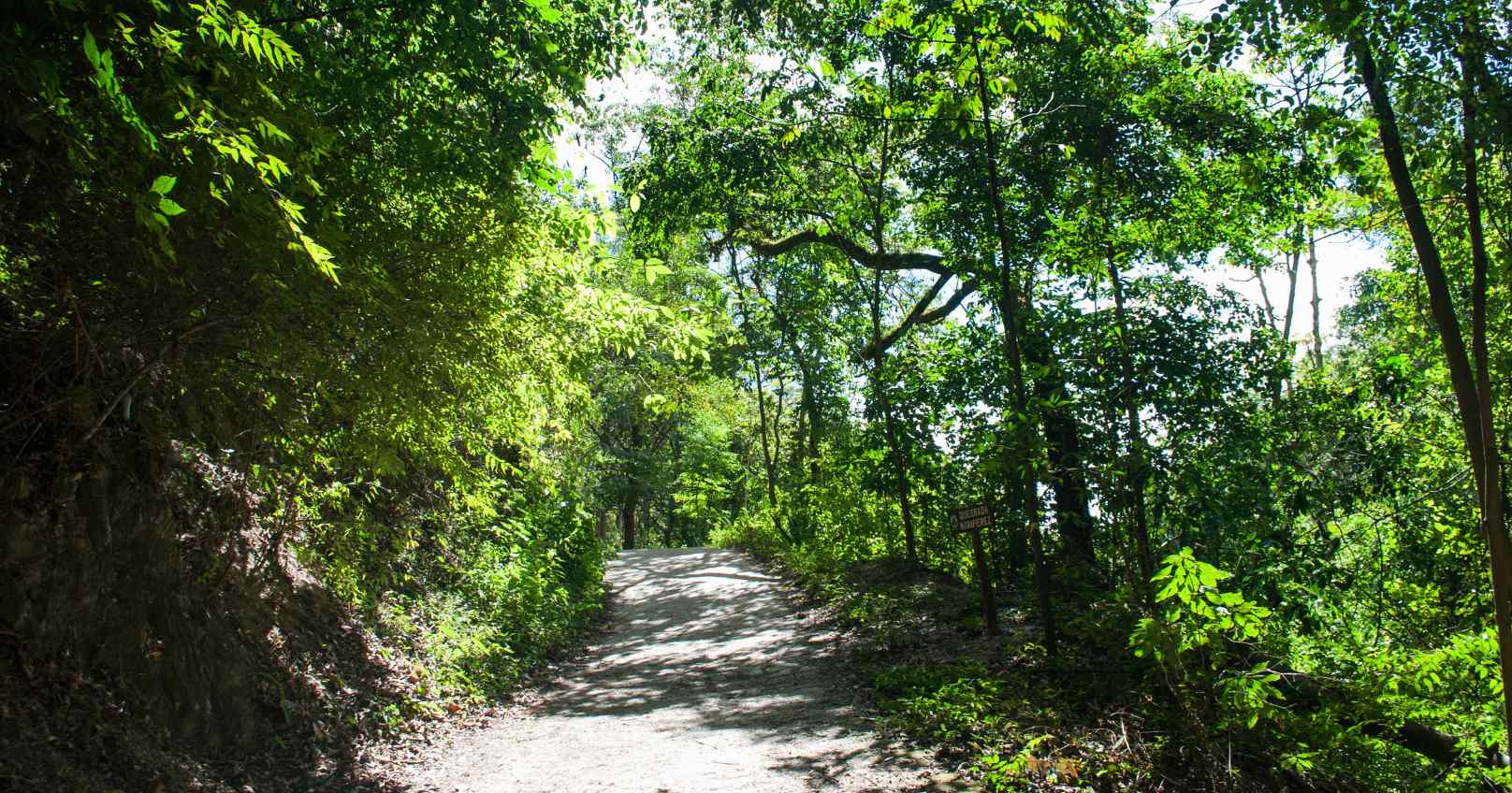
Bombay HC Warns of Ecological Damage from Unchecked Growth in Lonavala-Khandala
The Bombay High Court has urged sustained oversight to protect the fragile ecology of Lonavala and Khandala from unplanned development and infrastructure gaps
24-07-2025

The Bombay High Court has raised serious concerns about the environmental degradation of the Lonavala and Khandala hill regions, cautioning that unregulated construction and insufficient infrastructure could rob the area of its natural beauty. In disposing of a long-pending PIL from 2007, the Court emphasized the need for continuous oversight of civic issues in the twin towns, calling for a development approach that respects the ecological sensitivity of the region.
A division bench comprising Chief Justice Alok Aradhe and Justice Sandeep Marne said:
"If steps are not taken to preserve the ecology, the allure of the Lonavala-Khandala belt could disappear. It is essential to adopt appropriate measures to safeguard the environment from the adverse effects of haphazard development and infrastructure gaps."
The PIL had sought the inclusion of the area in the official list of hill stations, a move that would bring tighter regulations to development activities. However, the Court clarified that such decisions fall under the government’s policy domain and not judicial purview.
Senior advocate Fredun DeVitre, representing the petitioners, pointed out that despite Lonavala's status within the Western Ghats — an ecologically important zone — the local municipal body had not adequately met its obligations under the constitutional right to a clean and healthy environment. The petitions demanded actionable steps, including proper waste management, sewage planning, removal of unauthorized constructions, and stricter scrutiny of future construction based on environmental assessments.
Following earlier directions by the Court, an expert committee was constituted in 2014 to vet new development proposals. The petitioners acknowledged that this committee and the municipal council have collaborated over the past decade to ensure only infrastructure-ready projects move forward. Some positive strides have been made, the Court noted.
Even so, the bench highlighted the importance of a structured, long-term framework from the state and local bodies to maintain ecological balance. It expressed hope that the municipal council would meet its obligations regarding water, sanitation, and enforcement against illegal construction.
The Court observed:
"Urban planning must anticipate future needs and avoid chaotic growth. In environmentally sensitive areas, planning norms must account for ecological concerns while balancing housing demands and available infrastructure."
With the Lonavala Municipal Council currently working on a new development plan, the Court said that the mechanism of project scrutiny by the expert committee should continue until the new development regulations are officially approved. This, it said, would act as a safeguard against uncontrolled construction based on outdated norms during the transition.

The Delhi High Court reserved its order on AISA president Neha Bora’s challenge to a Rs 10,000 pea
Read More
Bench Sets Aside Attachment Of Pune And Nagpur Properties, Says Transactions Were Lawful And Finds N
Read More
AISA president Neha Bora has moved the Delhi High Court against a police notice requiring her to fur
Read More