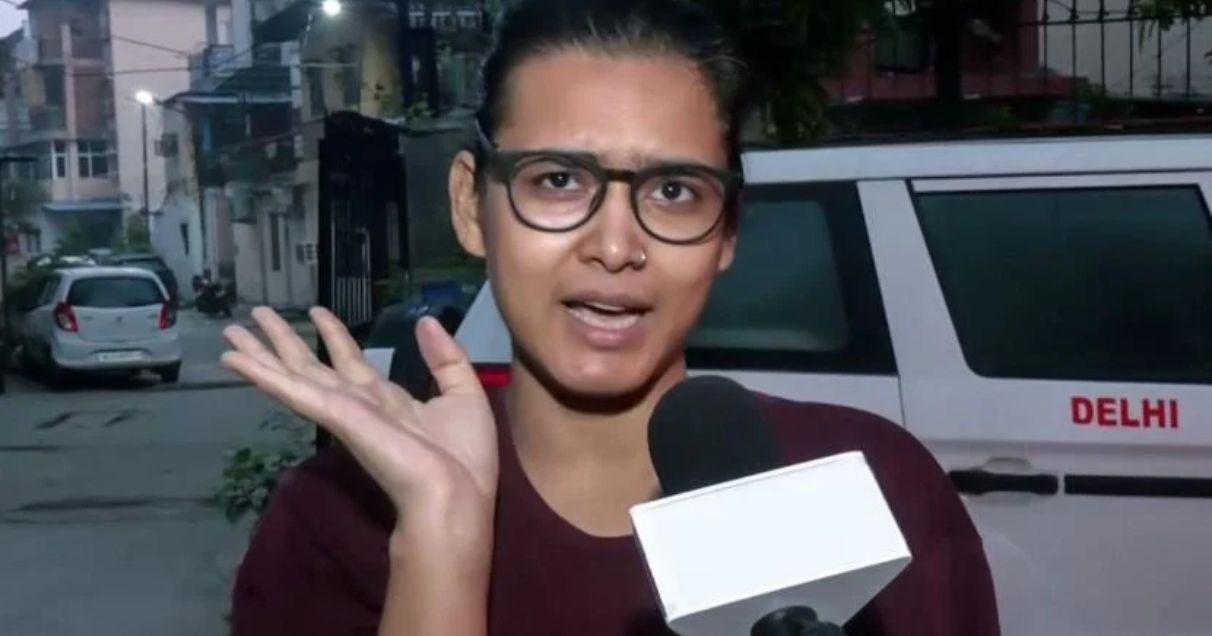
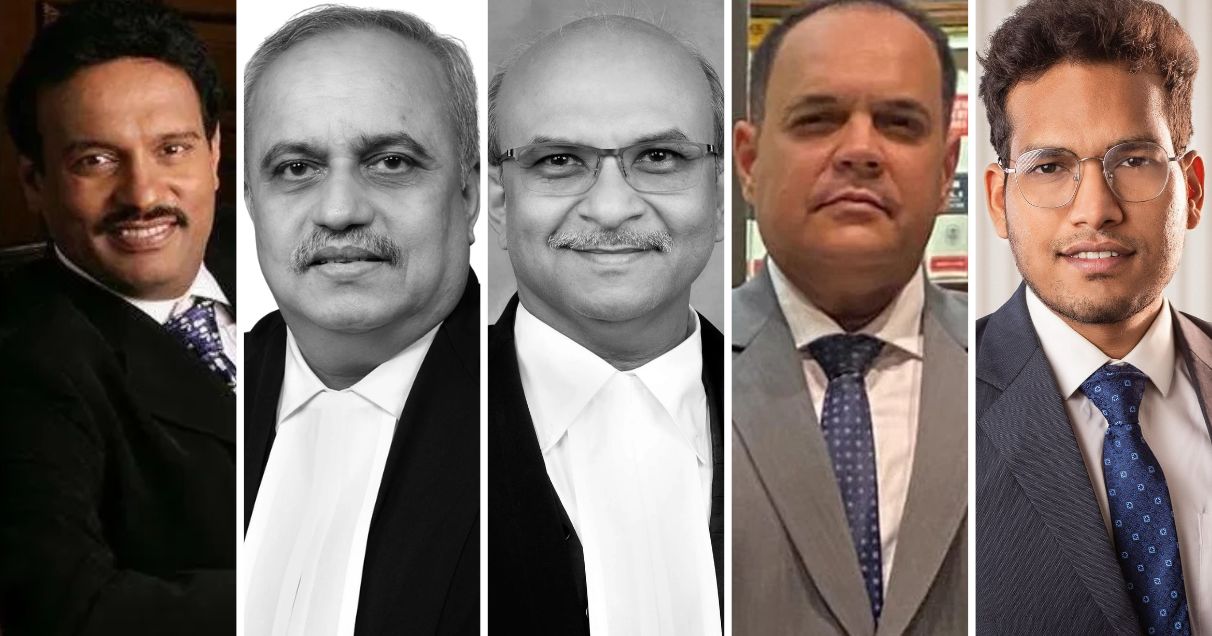
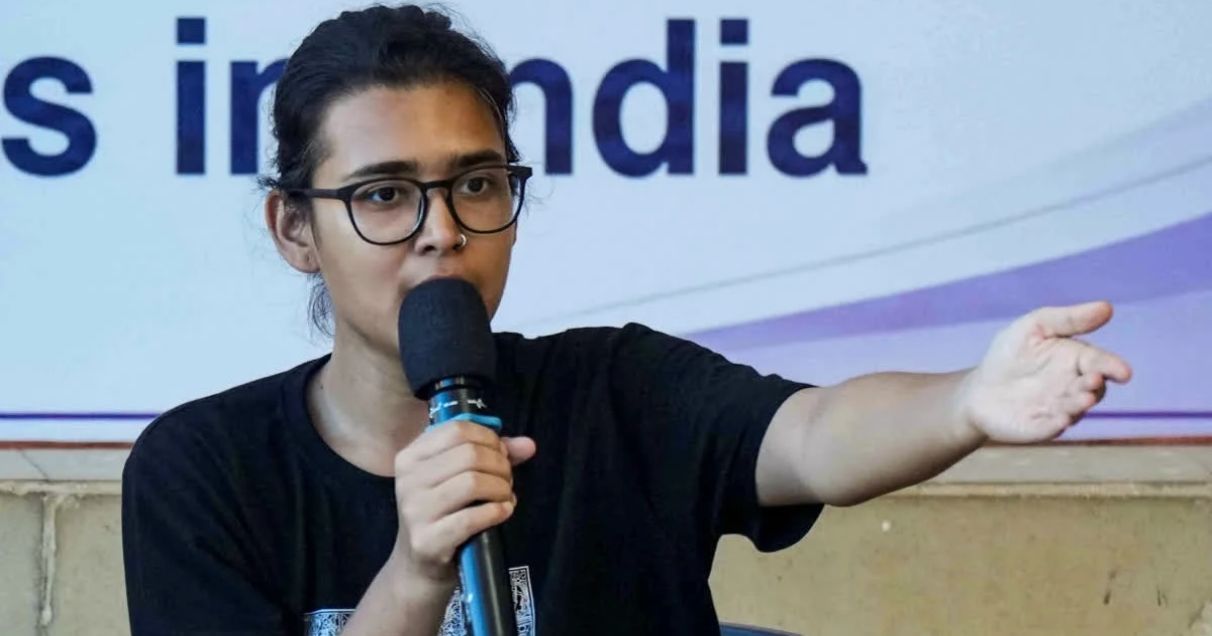
In a major legal development, the Patiala House Family Court in Delhi has directed Shikhar Dhawan’s former wife, Aesha Mukerji, to return ₹5.7 crore (approximately AU$894,397) received under a property settlement ordered by an Australian court.
The court ruled that the settlement documents were executed under alleged intimidation and deception, and therefore could not be upheld under Indian law.
Australian Orders Declared Non-Binding
Presiding Judge Devender Kumar Garg held that since the marriage was solemnised and registered in India, the Australian court did not have the authority to adjudicate the matrimonial dispute. As a result, the Delhi court declared that Dhawan is not bound by the foreign court’s rulings concerning the division of assets.
All documents related to the property settlement were declared null and void. The court further ordered Mukerji to pay 9% annual interest on the amount from the date Dhawan initiated legal proceedings in India.
The February 2024 directions of the Australian court, which had distributed the couple’s worldwide assets, were also restrained from enforcement in India.
Asset Division in Australia
Earlier, the Australian court had awarded Mukerji 15% of the total asset pool. She reportedly retained assets worth ₹7.46 crore (AU$1.17 million) and was granted an additional ₹15.95 crore (AU$2.5 million), along with the transfer of a property.
Between 2021 and 2024, multiple orders were passed overseas regarding asset division. Dhawan challenged those decisions, contending that he had not submitted to the jurisdiction of the Australian court and had informed it accordingly through an affidavit. He maintained that any interim arrangement was made under duress.
Allegations of Pressure and Threats
Before the Delhi court, Dhawan alleged that shortly after their 2012 marriage, Mukerji threatened to damage his public image and professional career by circulating defamatory material if he did not meet her financial demands.
He claimed that although properties were purchased with his funds, he was compelled to register them either jointly or predominantly in her name. In one cited example, Mukerji was shown as holding a 99% share in a property acquired by Dhawan. He further alleged that he was pressured into purchasing property in Australia in her name, which was later sold, with proceeds retained as part of an interim arrangement.
The court observed that Dhawan’s participation in the Australian proceedings could not be treated as voluntary submission to that court’s authority, given the alleged circumstances of fear and coercion.
Ex Parte Decision
The judgment was delivered ex parte after Mukerji failed to appear despite repeated summons. The court noted that she neither contested nor responded to the claims raised in the suit.
On the legal question of applicable law, the court held that provisions of Australia’s Family Law Act, 1975 could not override Indian statutes, including the Hindu Marriage Act and other related laws, since the marriage was governed by Indian law.
Divorce and Custody Background
In 2023, a Delhi court granted divorce to the couple, noting that Dhawan had experienced mental distress due to prolonged separation from his son, Zoravar. While he was not awarded permanent custody, he was granted visitation rights and access to virtual communication. Dhawan has since claimed that even those channels were later restricted.
The couple married in Delhi in 2012. Mukerji, who was residing in Australia and had two children from a previous marriage, continued living there after the wedding while Dhawan travelled between India and Australia. Their son was born in 2013. Legal disputes subsequently unfolded across both jurisdictions.
Dhawan later remarried in February 2025.