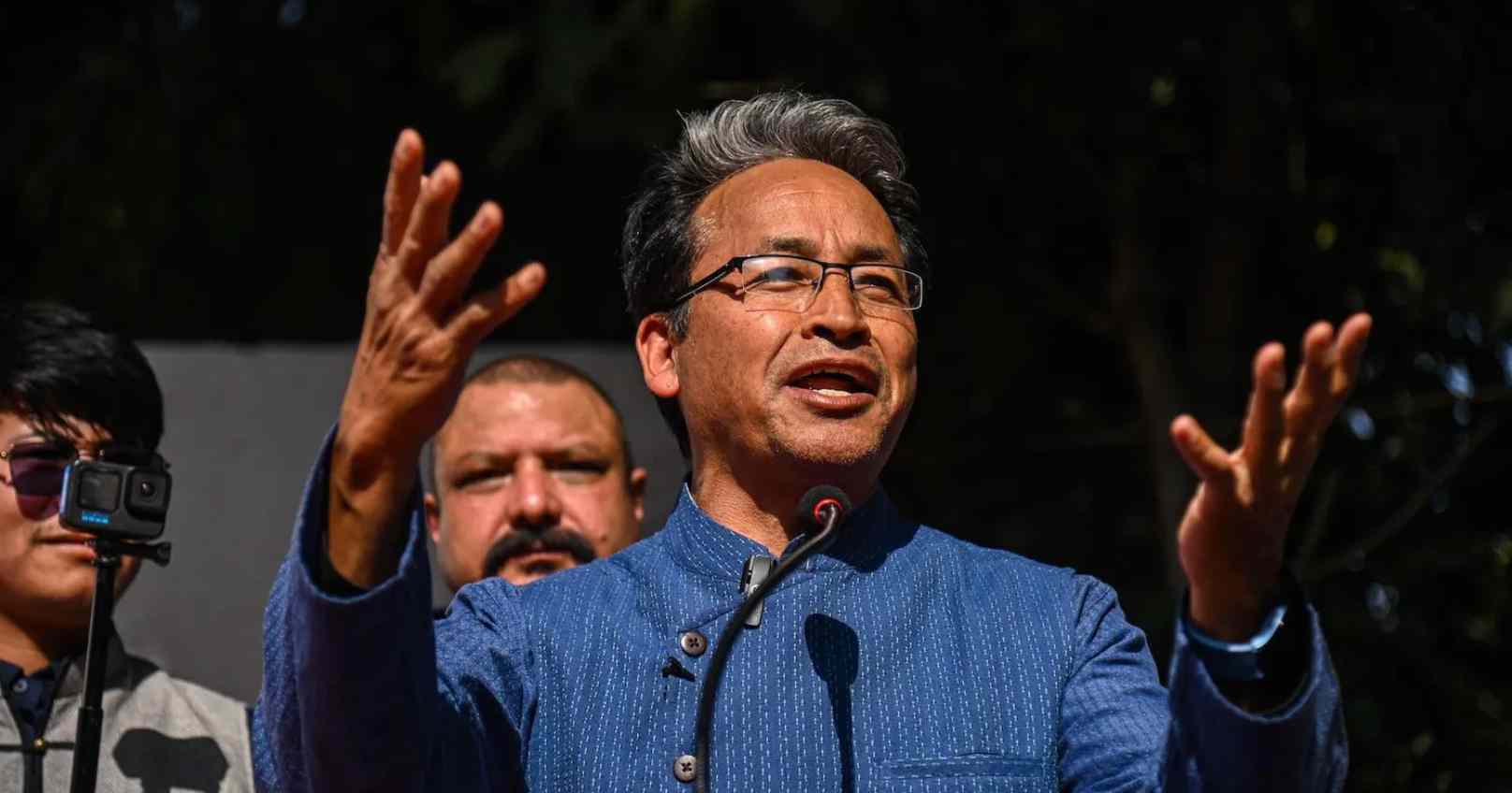
The Central government on Monday justified the preventive detention of Ladakh-based activist Sonam Wangchuk before the Supreme Court, arguing that his public statements carried the potential to provoke unrest, fuel separatist sentiment, and undermine national security in a strategically critical region.
Representing the Union government, Solicitor General Tushar Mehta told the court that Wangchuk’s speeches allegedly attempted to influence young people toward political agitation, drawing comparisons to unrest seen in Nepal, Bangladesh, and Sri Lanka. According to Mehta, these references could encourage instability among impressionable audiences.
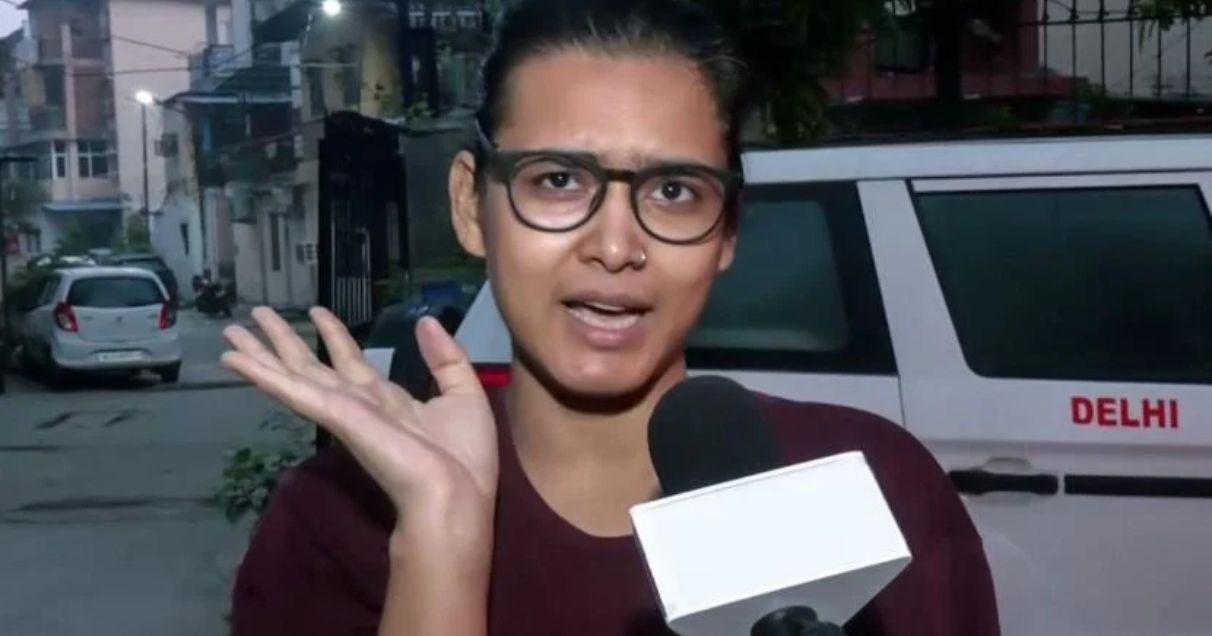
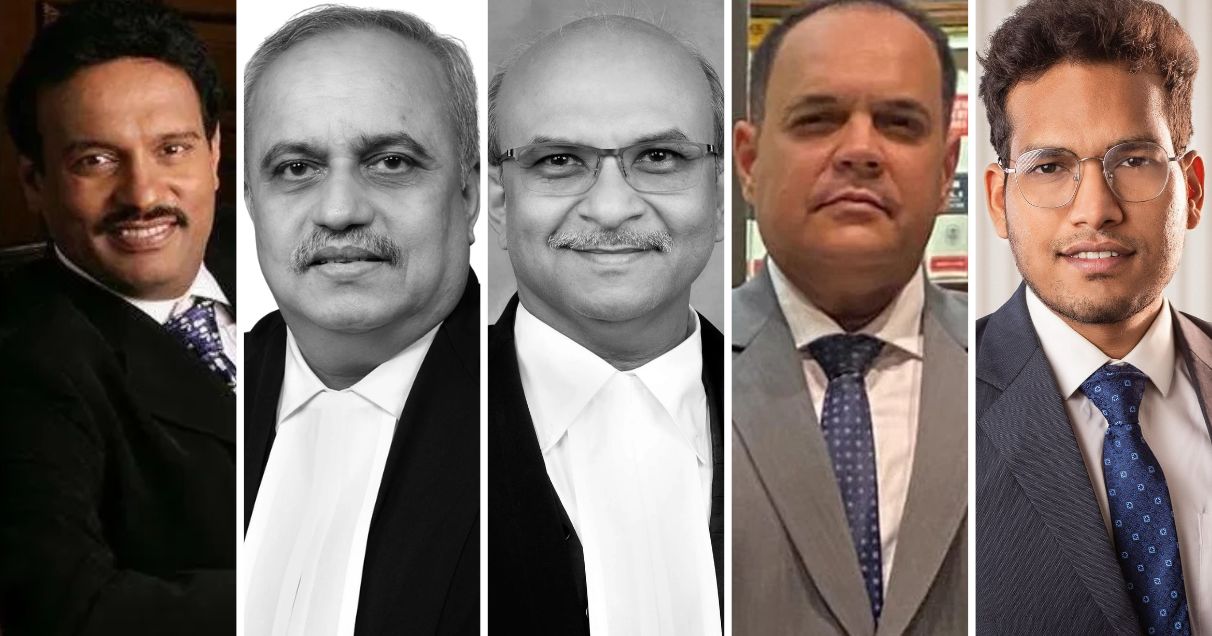
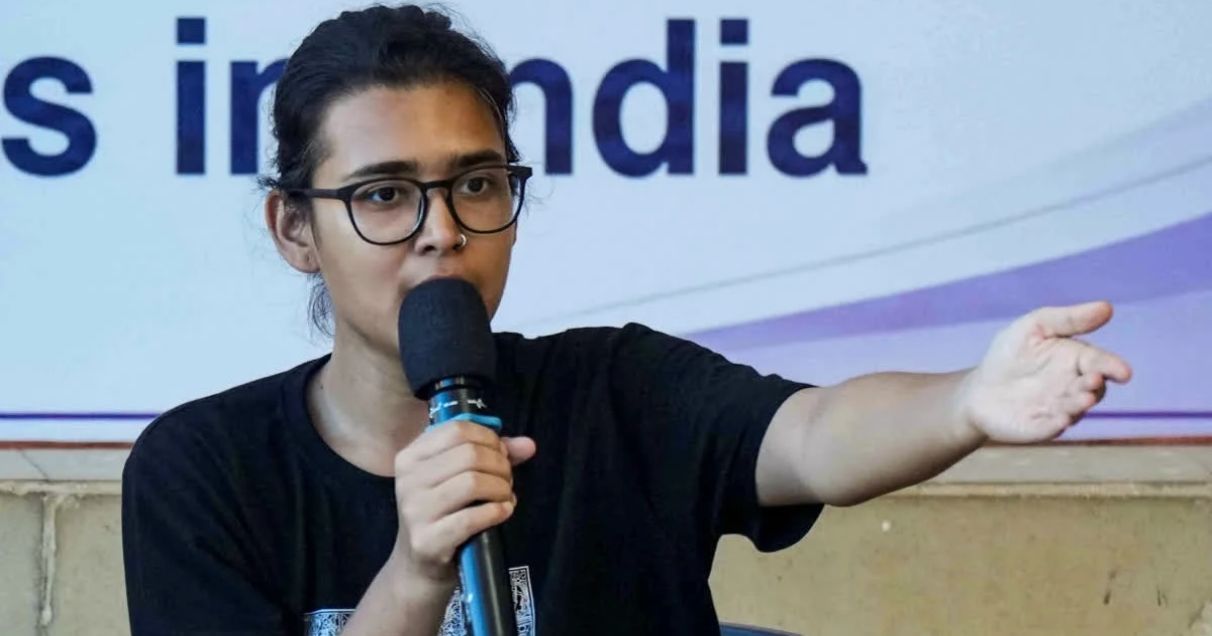
A Supreme Court bench comprising Justice Aravind Kumar and Justice Prasanna Varale was hearing a petition filed by Wangchuk’s wife, Geetanjali, who has challenged the legality of his detention.
At the beginning of the hearing, the bench noted that under Article 32 of the Constitution, the court’s role is not to reassess detention decisions but to determine whether there is a clear connection between the grounds for detention and concerns relating to public order or national security.
The Solicitor General emphasized that the judiciary should focus on whether the District Magistrate had reasonable justification to believe that Wangchuk’s actions posed a risk to public peace, rather than substituting its own judgment.
According to the detention order, authorities concluded that Wangchuk’s speeches had the potential to incite disruptive behavior and disturb social harmony. Mehta stated that the order was issued following proper legal procedures and within a short timeframe.
He further informed the court that Wangchuk had been shown video recordings of his speeches by a senior police officer and had acknowledged their authenticity.
While quoting portions of the activist’s remarks, Mehta argued that Wangchuk selectively framed his message by pairing strong, potentially inflammatory statements with references to non-violence and Mahatma Gandhi, thereby masking the broader tone of provocation.
He contended that the full context of the speeches must be evaluated, cautioning against isolating specific lines to justify the overall message. Mehta also remarked that modern youth interpret political messaging differently, increasing the risk of misinterpretation.
The Solicitor General cited examples where Wangchuk referred to sudden youth mobilization resembling a “flood” and suggested parallels with protest movements in Nepal, implying the possibility of similar unrest in Ladakh.
According to the government, Wangchuk’s narrative risked encouraging young people to emulate foreign political upheavals, with Gandhi’s name allegedly being used as rhetorical cover for otherwise destabilizing content.