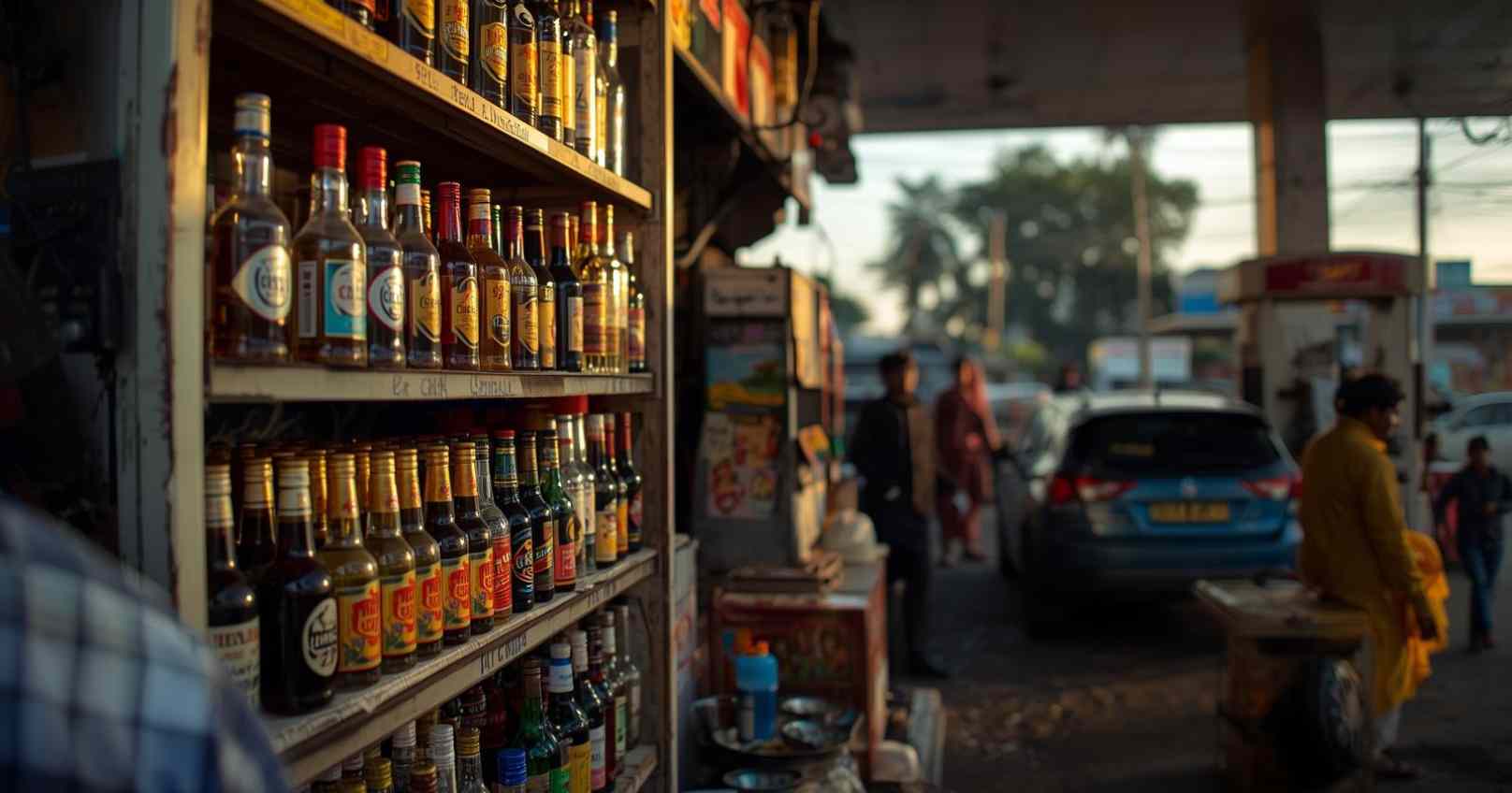
Chandigarh Clears New Excise Policy 2026-27, Allows Liquor Sales at Petrol Pumps and Malls
Administration rolls out sweeping reforms to expand retail access, tighten oversight, and streamline revenue collection
28-03-2026

The Chandigarh Administration has unveiled its Excise Policy for 2026–27, bringing significant changes to how alcohol is sold, regulated, and monitored across the Union Territory.
One of the most notable decisions permits the sale of liquor at fuel stations, shopping complexes, and neighbourhood markets—marking a departure from the traditional model limited to standalone liquor shops. Large-format departmental stores will also be eligible to retail foreign spirits, wine, and beer, subject to licensing approvals, integrating alcohol sales into organised retail environments.
To modernise transactions and curb cash-based dealings, all liquor outlets must now provide digital payment facilities, including card and point-of-sale systems.
Promoting responsible consumption, the policy makes it compulsory for hotels, bars, and restaurants to install breath analysers so customers can voluntarily check their blood alcohol levels before leaving the premises.
On the licensing front, 97 retail liquor vends have been sanctioned, with the collective reserve price set at Rs 454.35 crore. The security deposit requirement has been raised to 17% of the successful bid amount. Additionally, the previous instalment-based payment structure has been replaced with a monthly fee system, payable by the 15th of each month.
Regarding pricing, a marginal hike of up to 2% in the Ex-Distillery Price (EDP) has been permitted for Indian-made liquor, beer, and wine. Imported liquor, however, will see no price revision.
In an effort to simplify business procedures, the administration has removed the earlier experience criteria for applicants and allowed bonded warehouses to operate from any location within India. Mandatory online registration and monthly digital reporting have also been introduced.
Retail supply norms remain unchanged from last year. The L-10B licence category has been reinstated to facilitate organised retail participation, and bars will source stock from the nearest authorised retail vend.
Compliance standards have been tightened, with CCTV coverage expanded to additional storage sites and provisions made for real-time monitoring by authorities. Penalties for unlawful advertising of liquor have been made more stringent.
Transport and logistics regulations now require GPS tracking for vehicles carrying liquor consignments. Bottling units will function six days a week under the revised framework.
Other measures include a formal definition of “family” to prevent interpretational disputes, continuation of the existing cow cess, direct rent payments for retail shops operating within government premises, and an updated minimum retail price for beer.
Overall, the policy seeks to widen availability through structured retail channels while reinforcing regulatory safeguards, digital transparency, and revenue efficiency.

US Secretary of State Marco Rubio toured Mukesh Ambani’s Jamnagar refinery, Vantara wildlife centr
Read More
Ashneer Grover’s decision not to show the interiors of his rented-out DLF Camellias apartment prom
Read More
AIBOA urges government to shelve proposed sale, flags reported pricing changes and alleged gap betwe
Read More