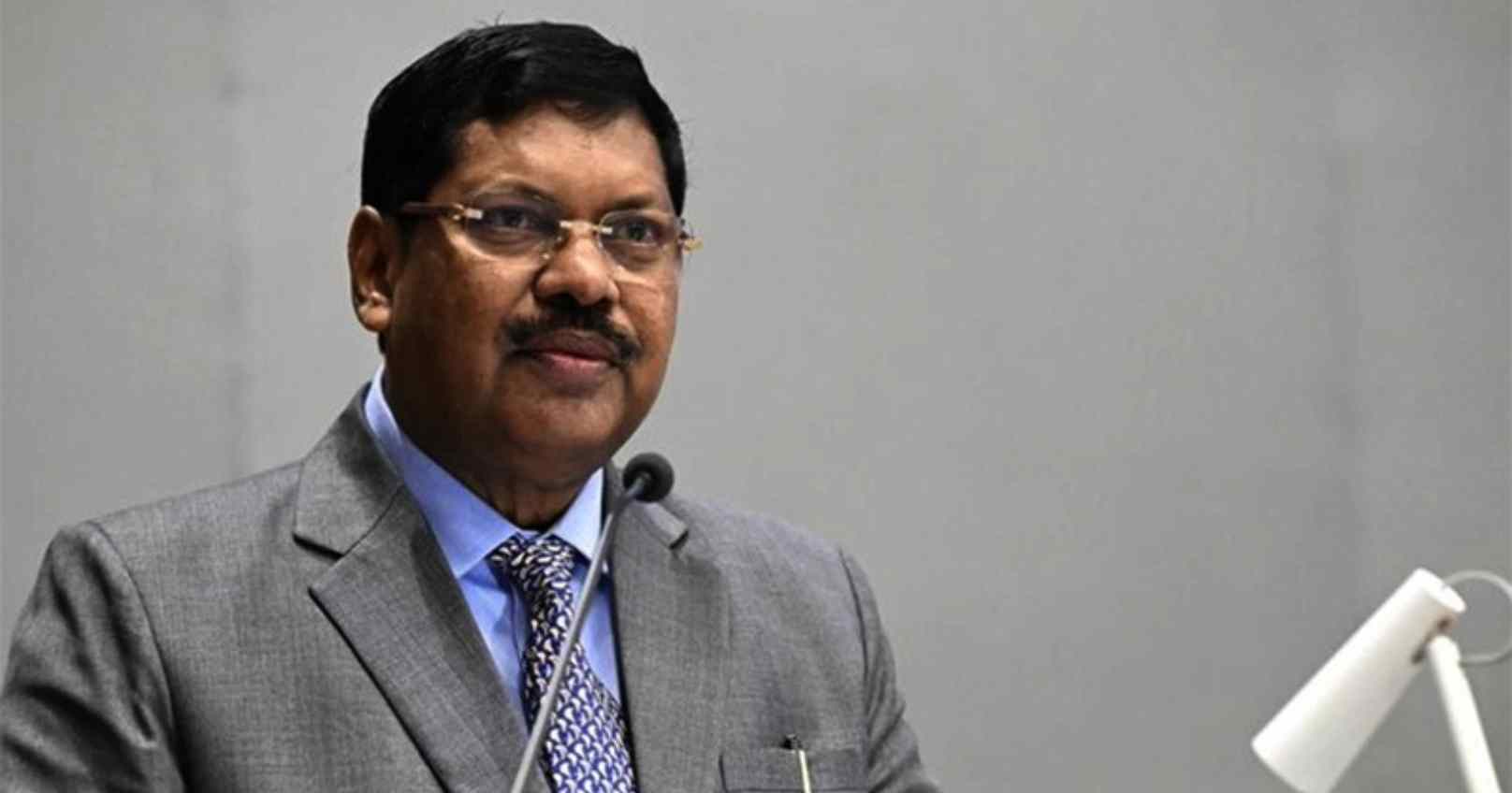
Chief Justice of India (CJI) D.Y. Chandrachud BR Gavai recently reflected on the complexities of judicial appointments, sharing a moment from the past when Justice S.V. Gangapurwala, then Chief Justice of the Madras High Court, was not elevated to the Supreme Court. Speaking at an event organised by the Advocates' Association of the Bombay High Court Bench in Chhatrapati Sambhajinagar, Maharashtra, CJI Gavai said that things don’t always unfold the way one hopes.
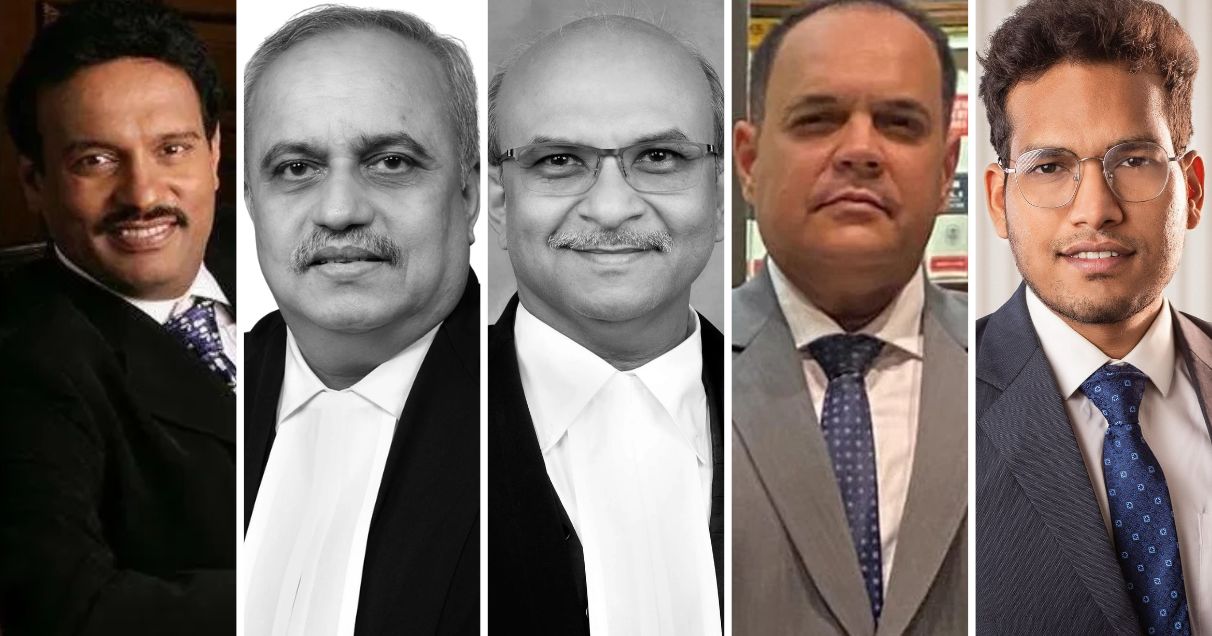
He recalled that one of the reasons cited at the time was that the Supreme Court already had four judges from the Bombay High Court, and further appointments would disturb that balance. According to him, Justice Dipankar Datta had suggested that until a vacancy arose, the Bombay High Court shouldn’t receive another elevation. As a result, the position of Chief Justice at the Bombay High Court was left unfilled temporarily to maintain the informal cap on judges from a single High Court.
“Unfortunately, I cannot speak more on this issue now due to the responsibilities of my current position. But after November 24, 2025, when I demit office, I will speak freely,” he said.
Justice Gangapurwala, who retired last year, was present in the audience. Addressing him directly, CJI Gavai remarked, “Sanjay bhai, you didn’t lose anything by not coming to the Supreme Court. It is the Supreme Court that lost out. I wasn’t planning to say this, but I felt I must.”
The Chief Justice emphasized that he has always championed merit-based appointments during his tenure in the Collegium. He reiterated that the internal proceedings of the Collegium remain confidential, but shared that following Justice P.B. Varale’s elevation to the Supreme Court, Justice Datta had expressed the view that the best high court Chief Justices must be brought to the apex court.
“I took that suggestion seriously and worked hard to build consensus within the Collegium to ensure that top-performing Chief Justices made it to the Supreme Court,” CJI Gavai said. “Since joining the Collegium, I’ve prioritized merit — whether for appointments to the High Court or the Supreme Court.”
He clarified that the selection process doesn't take into account caste or creed. “What matters is the person’s eligibility, integrity, and legal acumen. That’s all we consider,” he said.
He also spoke about Justice A.S. Chandurkar’s recent elevation to the Supreme Court from the Bombay High Court, noting that both of them hail from Nagpur and had shared court benches. Gavai described the decision to elevate Justice Chandurkar as a unanimous one, taken after thorough consideration.
The Chief Justice also addressed the long-standing demand for a bench of the Bombay High Court in Kolhapur, in addition to the existing benches in Nagpur and Chhatrapati Sambhajinagar. He expressed support for the proposal, highlighting the burden on economically weaker litigants who struggle with the cost and logistics of accessing justice in Mumbai.
“Justice must reach the last person in the queue. That’s why decentralising the judicial system is essential,” he stressed.
With just six months left in his tenure, CJI Gavai also briefly mentioned a past judgment concerning political control over the Sai Baba Trust, remarking that at this stage of his career, recounting such anecdotes would not matter much.