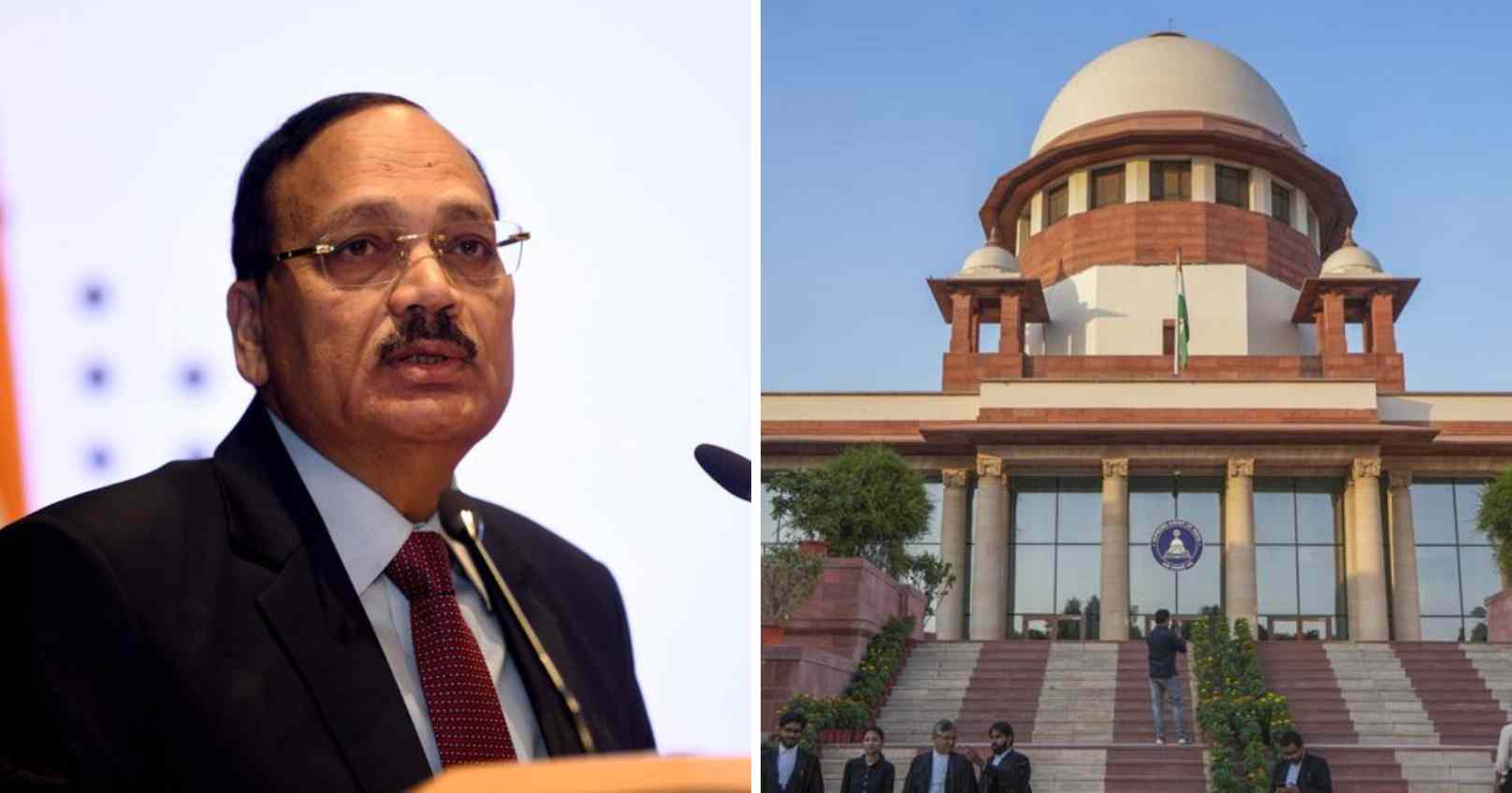
The Supreme Court on Tuesday took a tough stance while hearing a plea seeking the tracing of five missing Rohingya who had allegedly disappeared from government custody. Chief Justice of India Surya Kant questioned whether India is expected to extend hospitality to individuals who have entered the country without authorization.
The petitioners had argued that deportation must follow due legal procedure and urged the court to intervene in locating the missing individuals.
The Chief Justice, however, pushed back sharply: “People cross the border secretly, cut through fences or slip in unlawfully… and then insist that all constitutional protections must apply. They claim rights to food, accommodation, education for their children—how far can the law be stretched?” he asked.
Emphasising that India’s own citizens face severe deprivation, he said, “Shouldn’t our priority be those who belong to this country and are still struggling for basic entitlements?”
CJI Kant also remarked that using habeas corpus in such circumstances was “imaginative at best,” since the writ is intended for producing a detained individual before the court to assess the legality of the custody.
Even so, he noted that individuals who enter without papers cannot be subjected to violence or custodial abuse: “Illegal entry does not justify third-degree treatment.”
Highlighting the legal vacuum, the Chief Justice pointed out that the Union government has never granted refugee status to the Rohingya. “If a person is classified as an intruder with no lawful right to remain, does the State still owe them continued residence here? We have extremely sensitive borders. Should we receive every trespasser with a ceremonial welcome?” he asked.
Solicitor General Tushar Mehta told the court that unless the individuals concerned themselves approach the judiciary, such petitions should not be entertained.
The bench adjourned the matter to December 16, when it will be taken up alongside similar pending cases.