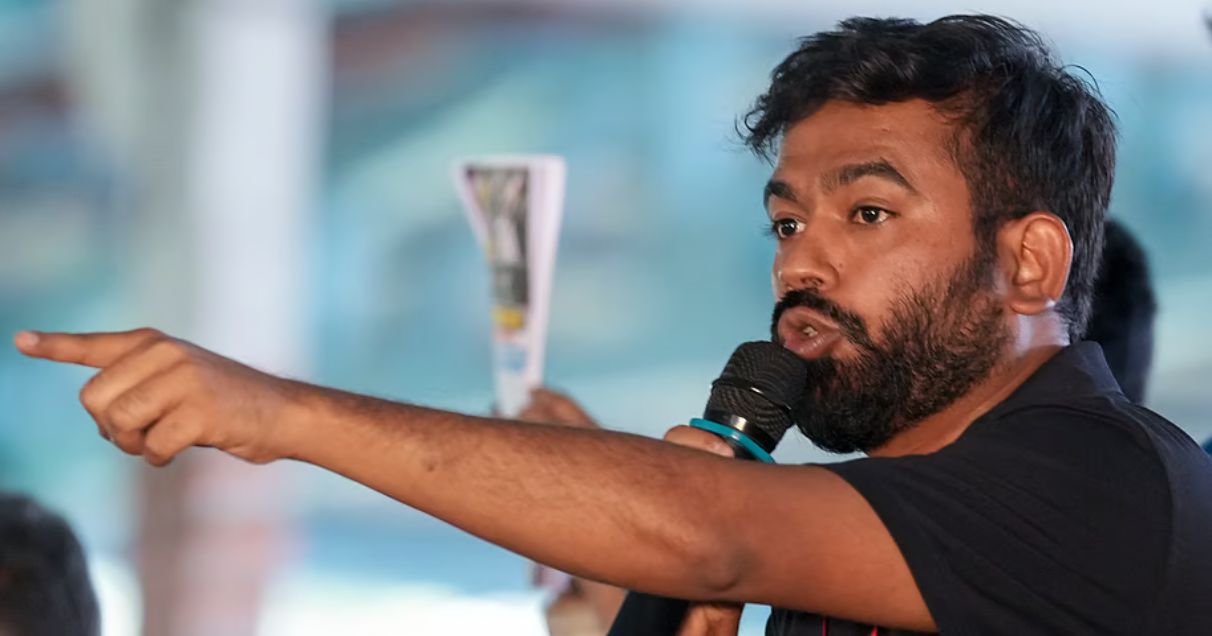
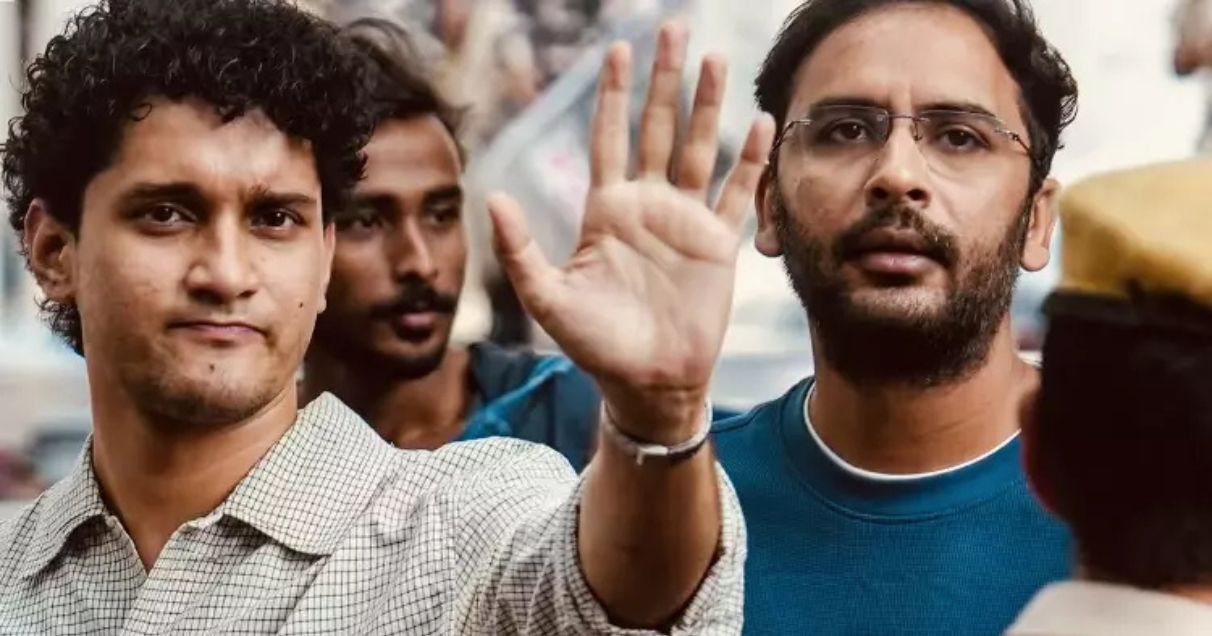
Cockroach Janta Party (CJP) founder Abhijeet Dipke faced an angry confrontation at Delhi airport on Wednesday when a man publicly challenged him over his political activities shortly after his arrival in the national capital.
A video circulating from the airport shows an individual shouting accusations at Dipke as he walks through the premises. The CJP founder, however, appears largely unperturbed, responding with a smile and a thumbs-up gesture before continuing on his way.
Dipke had returned from Maharashtra, where he had travelled following the death of his grandmother on October 10.
His arrival comes amid escalating tensions between the authorities and protesters questioning the functioning of the Election Commission of India, particularly Chief Election Commissioner Gyanesh Kumar.
Dipke Questions Five-Day Custody Of Party Colleagues
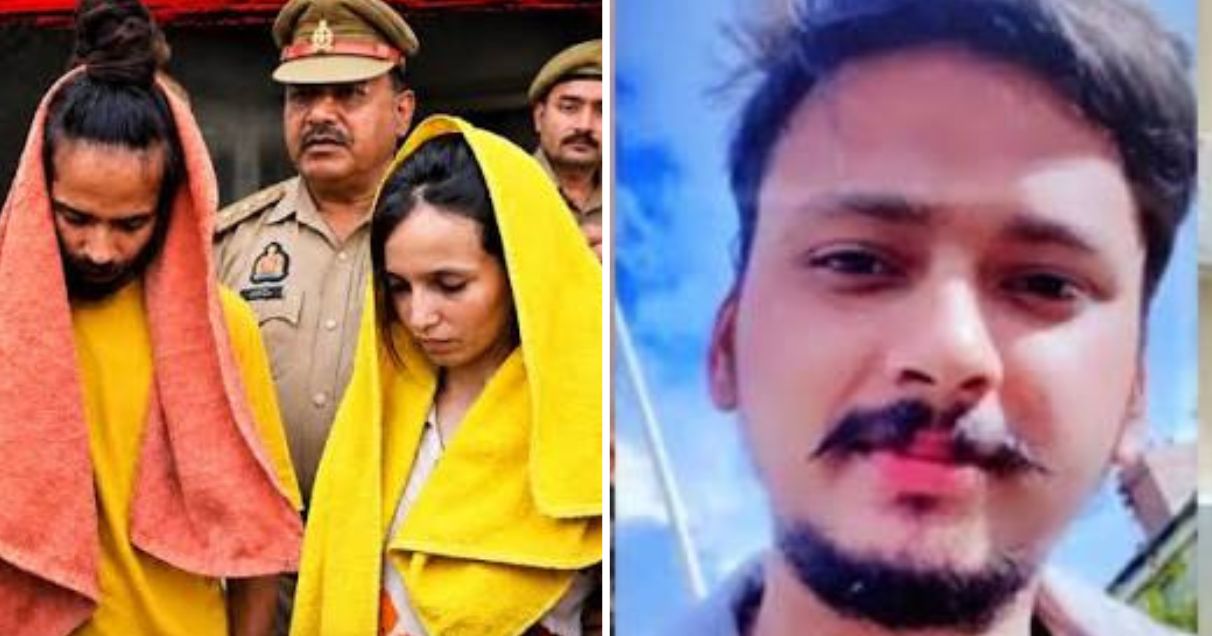
Soon after reaching Delhi, Dipke criticised the detention and subsequent judicial custody of fellow CJP members Ashutosh Ranka and Saurav Das, who were arrested following a demonstration at Jantar Mantar.
Both activists have reportedly been remanded to five days of judicial custody.
Dipke questioned the legal justification for imprisoning individuals who had displayed the Indian national flag during a political demonstration.
Drawing comparisons with India's colonial past, he argued that arresting citizens for unfurling the Tricolour raised serious questions about the protection of democratic freedoms.
He maintained that displaying the national flag at a public protest should not, by itself, attract criminal consequences.
Jantar Mantar Protest Leads To Fresh Arrests
The controversy stems from a demonstration organised by CJP volunteers on Tuesday, a day after the Union government reportedly withdrew Jantar Mantar's designation as an authorised protest location.
According to accounts of the incident, several party workers entered the restricted protest area by scaling a gate.
Once inside, they displayed the national flag and shouted slogans before police personnel intervened and took them into custody.
Dipke subsequently shared footage of the incident on social media, showing the protesters entering the premises and participating in the demonstration.
Police reportedly registered cases involving allegations of unlawful entry and breach of conditions imposed under earlier bail bonds.
Previous Bail Conditions Under Scrutiny
The latest arrests followed the release of Dipke, Ranka and Das on bail on Monday.
Their release was reportedly subject to an undertaking requiring them to maintain public peace for one year.
Authorities have alleged that the subsequent demonstration breached those conditions.
The controversy has consequently raised questions about the legal distinction between peaceful political expression and conduct that may constitute a violation of restrictions imposed by courts or law enforcement agencies.
While the protesters maintain that their actions represented an exercise of democratic rights, the authorities have reportedly relied on allegations of trespass and breach of bail conditions.
Political Opposition Condemns Police Action
The arrests have attracted criticism from Opposition leaders, including Congress leader Rahul Gandhi.
The developments come against the backdrop of wider protests concerning allegations of electoral irregularities and the ongoing Special Intensive Revision (SIR) of electoral rolls.
Opposition parties have accused the Election Commission of failing to adequately address concerns surrounding voter-list revisions and alleged wrongful deletion of voters.
These allegations remain politically contested.
The confrontation has also reached the judicial arena, with Opposition leaders reportedly approaching the Supreme Court through a joint petition concerning the electoral-roll revision process and alleged irregularities.
Protests Over Election Commission Continue
Earlier demonstrations under the banner of a "March for Democracy" saw Opposition leaders attempting to mobilise support against alleged electoral malpractice amid extensive security arrangements in Delhi.
The removal of Jantar Mantar's status as a designated protest venue has added another dimension to the controversy, with questions being raised about the availability of accessible public spaces for peaceful political demonstrations.