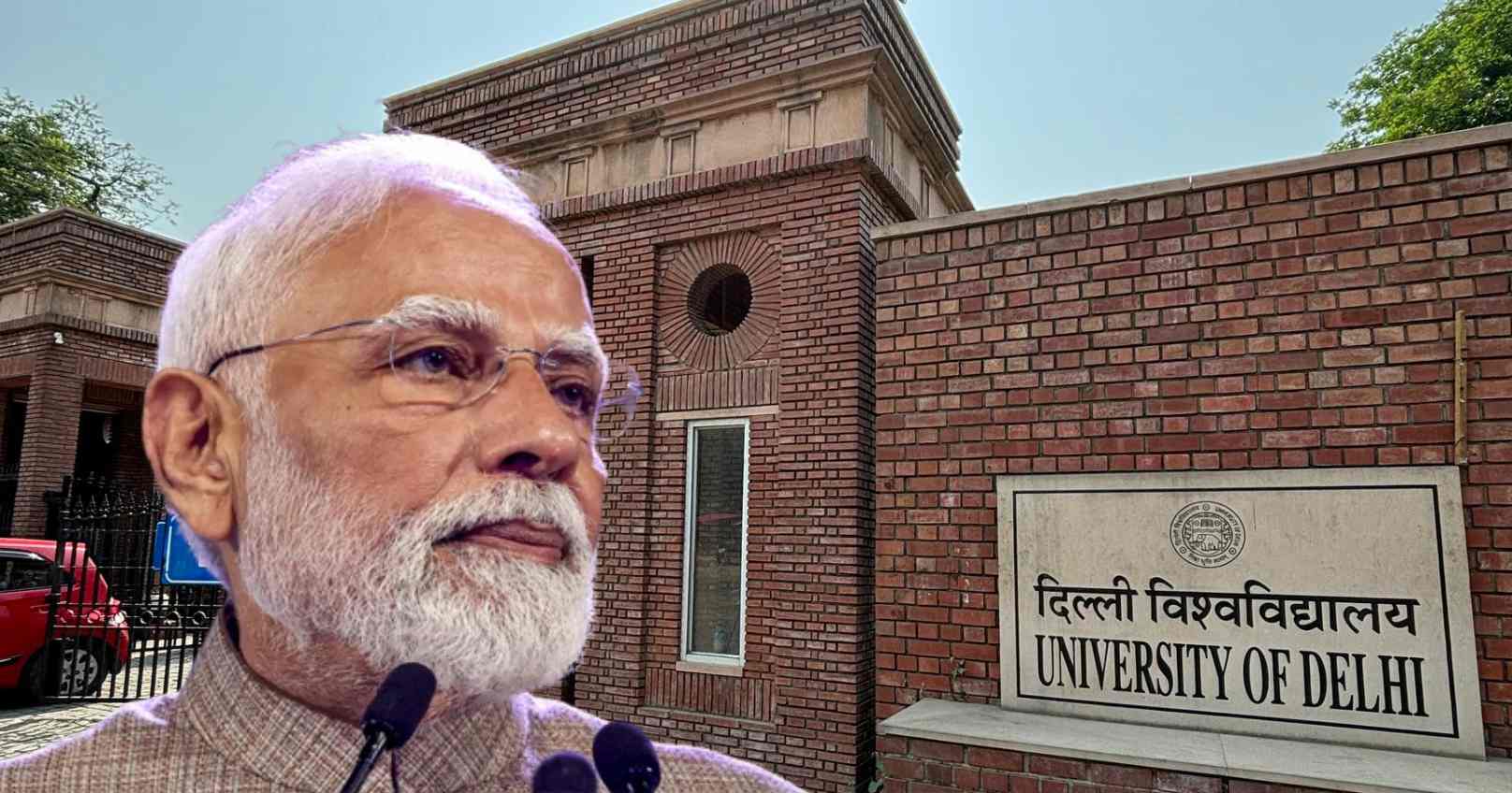
The Delhi High Court on Monday ruled that Delhi University is not obligated to reveal Prime Minister Narendra Modi’s graduation records, stating that such information qualifies as “personal data” and cannot be disclosed under the Right to Information (RTI) Act. The verdict overturned a previous Central Information Commission (CIC) directive that had ordered DU to make the details public.
Justice Sachin Datta, delivering the judgment, emphasized that educational documents remain part of an individual’s private information—even for those holding high public office—and do not automatically become open to scrutiny unless directly linked to statutory requirements.
“The fact that the request pertains to a public figure does not diminish privacy protections relating to personal data that are unconnected with official duties,” the court noted. It clarified that the situation would be different if a certain qualification were mandatory for holding the office of Prime Minister, but that was not the case here.
The Congress, responding to the order, criticized the ruling, calling it “incomprehensible” that the Prime Minister’s academic qualifications remain confidential. The party also linked the issue to the 2019 amendments to the RTI Act, which they claimed had weakened transparency provisions.
The dispute dates back to 2016, when the CIC permitted inspection of records of all students who cleared Delhi University’s BA examination in 1978—the year Modi is said to have completed his degree. The university contested this order and secured an interim stay in 2017.
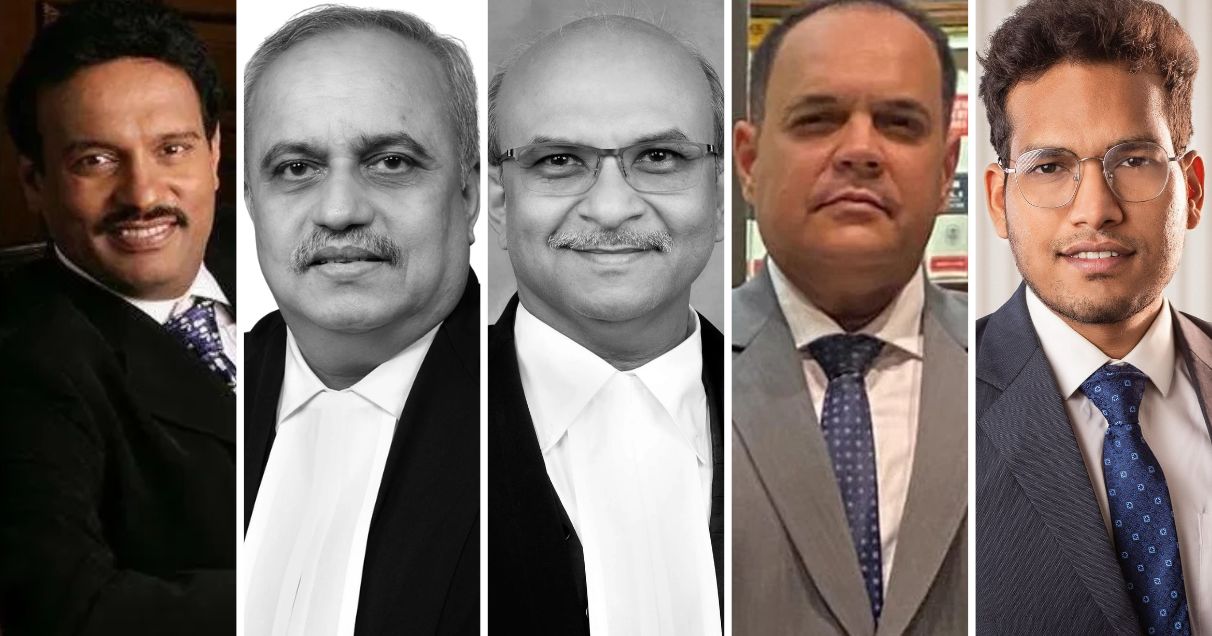
Representing DU, Solicitor General Tushar Mehta argued that the university maintains students’ records in a fiduciary capacity and cannot disclose them based on “mere curiosity,” unless there is a demonstrable larger public interest. He further stressed that the right to privacy outweighs the “right to know” in such cases.
Senior Advocate Sanjay Hegde, representing RTI applicant Neeraj Sharma, countered that the requested details were of public interest and highlighted that universities often made such results accessible through notice boards, websites, and even newspapers.
While DU informed the court it was ready to submit Modi’s degree details directly before the bench if required, it opposed releasing them to third parties under the RTI law.
Ultimately, the court sided with the university, setting aside the CIC’s order and reiterating that academic records are intended for students themselves, not for public circulation.
The Prime Minister’s educational background has long been a point of political contention, with opposition parties, especially the Aam Aadmi Party, questioning the authenticity of his degrees. Although BJP has released copies and both Delhi University and Gujarat University have affirmed their validity, the controversy has continued through legal and political battles.