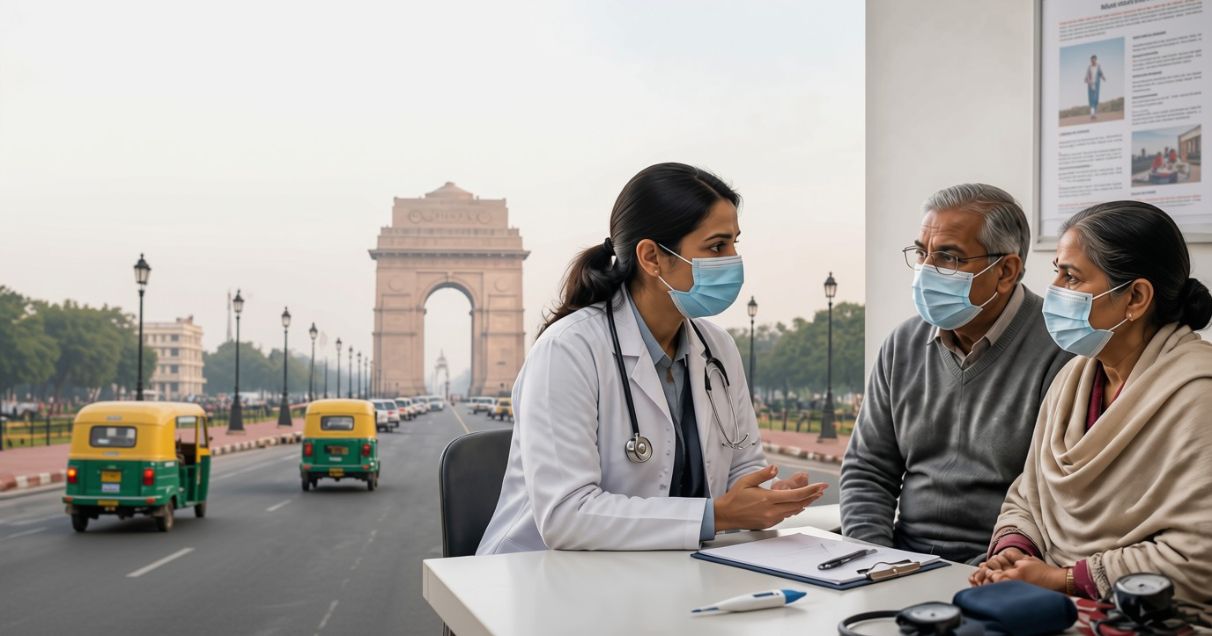
Delhi is witnessing a significant increase in seasonal influenza cases, with H1N1 infections rising sharply compared with the same period last year.
Health department figures show that the capital had crossed 1,777 H1N1 cases by August 20, compared with 229 cases recorded during the corresponding period in 2025. More than 2,300 Influenza-A infections have been reported in the city this year, including 114 H1N1 cases on Thursday alone.
The increase is also being noticed at hospitals and clinics across Delhi-NCR, where doctors say more people are arriving with fever, cough and other flu-related complaints.
Doctors see growing demand for flu vaccination
The increase in infections has renewed conversations around seasonal influenza vaccination, particularly among people who face a higher risk of complications.
Dr Bharat Gopal, senior director of respiratory and sleep medicine at Medanta, said enquiries about flu vaccination have increased, especially among families with young children and elderly members.
Doctors have particularly advised children, senior citizens, pregnant women and people living with chronic medical conditions to be cautious during the ongoing rise in cases.
Delhi-NCR hospitals report more flu patients
The rise in infections is being reflected in outpatient consultations as well as hospital admissions.
Dr Aakashneel Bhattacharya, a consultant in infectious diseases at Paras Health, Gurugram, said patient numbers had increased by roughly 22-25 per cent over the previous week.
Sri Balaji Action Medical Institute is reportedly seeing around eight to 10 people with flu-like symptoms each day. Of these, two to three patients with more serious influenza-related illness are being admitted, according to Dr Arvind Aggarwal, director of internal medicine.
Apollo Spectra Hospital has also reported an increase in consultations involving influenza-like symptoms, including patients presenting with more serious respiratory problems.
What are the symptoms of H1N1?
Influenza can present with symptoms such as:
- Fever
- Cough and sore throat
- Headache
- Body aches
- Chills
- Tiredness
- Runny or blocked nose
Some children may additionally develop vomiting, nausea or diarrhoea.
Doctors said most people with uncomplicated influenza recover without hospitalisation and can be managed through outpatient care. Hospital treatment may become necessary when the infection leads to pneumonia, breathing problems, low oxygen levels, prolonged high fever or aggravation of an existing health condition.
When should you see a doctor?
Doctors have urged people not to ignore symptoms that persist or become more severe.
Warning signs include significant breathing difficulty, ongoing chest pain, oxygen saturation below 94 per cent, confusion, bluish discolouration of the lips or fingertips and fever that returns after an initial improvement.
Some patients are seeking medical attention earlier because awareness about H1N1 has increased. Others, however, continue to wait until their symptoms become severe and may try to manage the illness themselves.
Doctors have specifically cautioned against taking antibiotics without medical advice. Influenza is caused by a virus, and inappropriate antibiotic use does not treat the underlying infection. Delayed medical attention in vulnerable patients can also increase the risk of complications such as pneumonia.
H1N1 testing available at hospitals and labs
H1N1 testing is available through hospitals and diagnostic centres, although the cost can vary significantly depending on the facility and type of test.
According to Dr Bibhu Anand of Sir Ganga Ram Hospital, testing at private facilities can cost approximately Rs 1,500 to Rs 5,000. More comprehensive respiratory BioFire panels may cost between Rs 9,000 and Rs 15,000, while testing at government hospitals is generally available at little or no cost.
Multiplex PCR-based testing is offered only by selected laboratories. Doctors said testing decisions should be based on the patient's symptoms and clinical condition rather than being undertaken routinely in every case.
How to reduce the risk of infection
Doctors recommend maintaining basic respiratory and hand hygiene, particularly during periods of increased flu transmission.
People should wash their hands regularly, consider wearing a mask in crowded settings, avoid close contact with people who are unwell and stay home when experiencing influenza-like symptoms.
For individuals at higher risk of complications, doctors say seasonal flu vaccination can also be discussed with a healthcare professional.