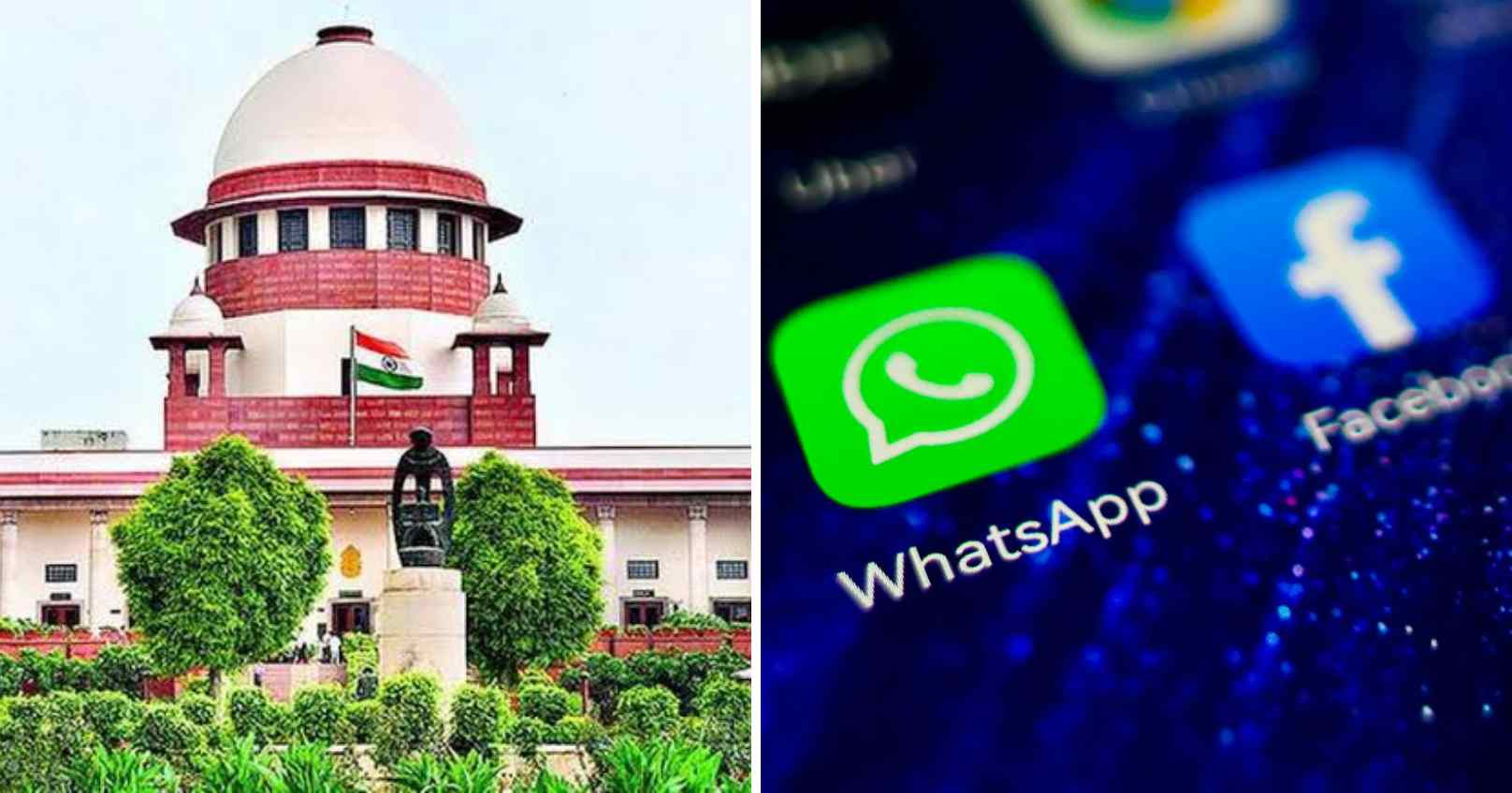
The Supreme Court on Tuesday issued strong remarks against Meta, the parent company of WhatsApp, over concerns related to the messaging platform’s controversial privacy policy. A bench led by Chief Justice Surya expressed serious reservations about how user data is handled, cautioning the tech giant against compromising the privacy of Indian citizens.
During the hearing, the court made it clear that it would not tolerate any misuse or commercial exploitation of personal data belonging to Indians. The bench emphasised that privacy is a fundamental right and warned that companies operating in India must respect constitutional principles.
The matter stems from a petition challenging WhatsApp’s 2021 privacy policy, which had been scrutinised by the Competition Commission of India (CCI). Earlier, the National Company Law Appellate Tribunal (NCLAT) upheld a ₹213 crore penalty imposed on WhatsApp, while also addressing disputes over the platform’s data-sharing practices for advertising purposes.
Representing the government, Solicitor General Tushar Mehta argued that WhatsApp’s data-sharing framework was unfair and commercially exploitative. In response, the Chief Justice questioned whether ordinary citizens — especially those with limited education, language barriers, or living in rural areas — could realistically understand such complex privacy terms.
The court observed that even legally trained individuals often struggle to interpret lengthy digital policies, raising concerns that millions of users may unknowingly consent to data-sharing arrangements. The bench likened this practice to covertly extracting private information without meaningful user consent.
The Chief Justice also cited personal experience, noting how online activity can trigger targeted advertisements, reinforcing fears that private communications could be indirectly used for commercial profiling.
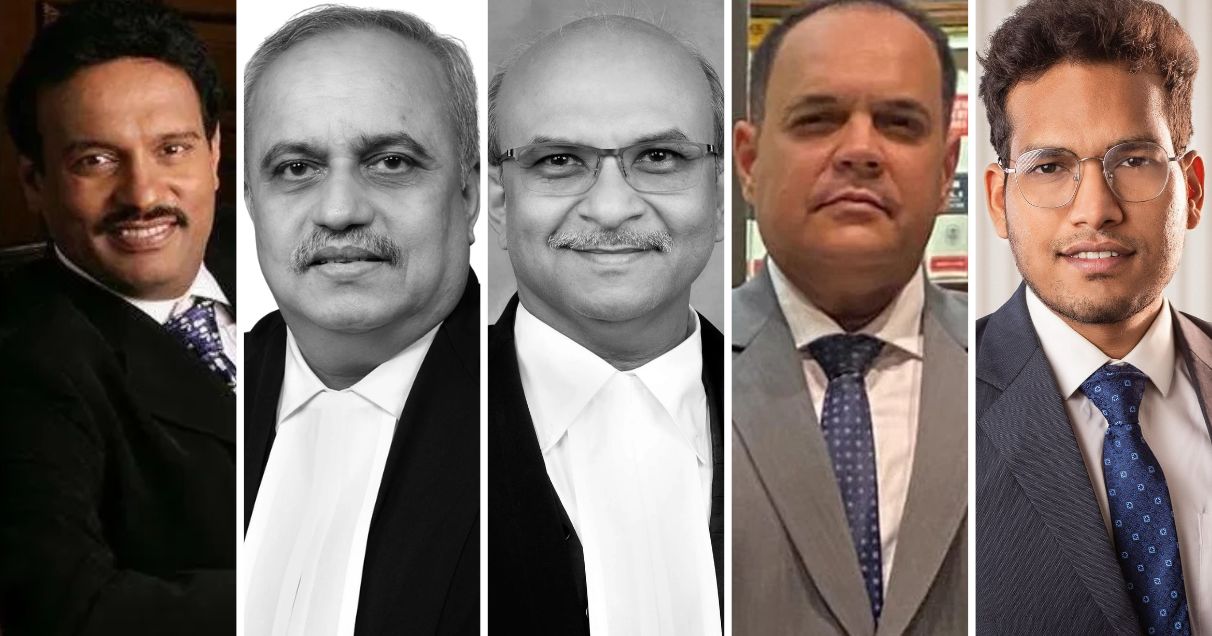
Meta’s legal team, including senior advocates Mukul Rohatgi and Akhil Sibal, defended the company by reiterating that WhatsApp messages are protected through end-to-end encryption, meaning the company itself cannot access the content of private chats.
Background of the Dispute
In November 2024, the CCI ruled that WhatsApp had abused its dominant market position by compelling users to accept updated privacy terms that allowed data-sharing with other Meta-owned platforms. This led to the imposition of a financial penalty, which Meta has already paid.
Meta and WhatsApp challenged the ruling in January 2025. Later, in November 2025, the appellate tribunal lifted a previous restriction that had barred WhatsApp from sharing user data for five years, while maintaining the monetary fine.
The case continues to raise broader questions about digital privacy, corporate accountability, and the balance between technological convenience and citizens’ data rights in India.