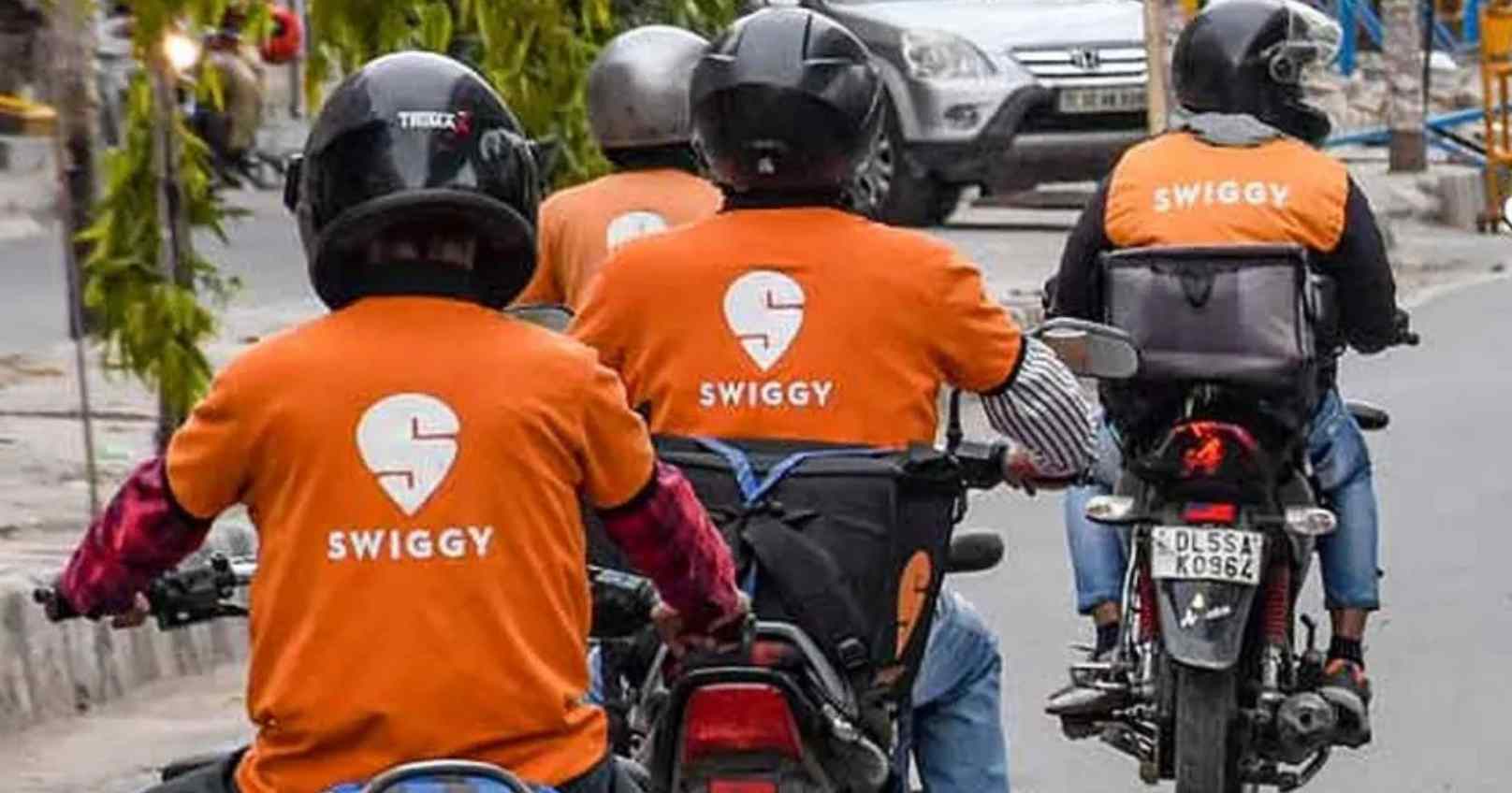
The Food Safety and Standards Authority of India (FSSAI) has served nine separate notices to Swiggy Instamart after receiving a series of consumer complaints alleging the delivery of expired, spoiled and potentially unsafe food items through the quick-commerce platform.
According to the regulator, the complaints indicate possible violations of the Food Safety and Standards Act, 2006. The issues raised include the sale of expired food, poor storage and handling practices, discrepancies in licensing information, and shortcomings in addressing consumer grievances.
Multiple complaints over food quality
Among the products highlighted in the notices are eggs, packaged snacks, protein supplements and other grocery items that consumers claim were delivered in unacceptable condition.
FSSAI noted allegations that certain food items had crossed their expiry date before delivery, while others were reportedly spoiled, contaminated or emitted a foul smell, making them unsuitable for consumption.
The regulator also flagged concerns over NOICE Eggs, stating that the product was allegedly being marketed under a category not covered by the company's existing FSSAI licence. It directed the food business operator to stop selling the product under the current licence until the necessary modifications are approved.
Other complaints mentioned products such as whey protein supplements, packaged snack mixtures, organic eggs and ready-to-eat food items that were allegedly delivered after expiry or in deteriorated condition.
Infant food also under scrutiny
One of the complaints involved an infant food product that consumers claimed arrived in a damaged and unsafe state, allegedly showing signs of contamination and improper storage. The regulator also noted allegations that a replacement supplied after the initial complaint suffered from similar quality issues.
Additional complaints referred to contaminated milk and eggs, as well as damaged packaged food products delivered through the platform.
Questions over licensing and compliance
Apart from food quality concerns, FSSAI has also sought clarification regarding licensing practices.
The regulator pointed to alleged use of incorrect or invalid licence numbers and raised concerns that some food businesses may have been operating under names that did not match their registered FSSAI records.
It further questioned the platform's procedures for onboarding sellers, monitoring food quality, maintaining product traceability and ensuring compliance with food safety standards.
Consumer grievance handling has also come under scrutiny, with some complainants alleging that their concerns were either inadequately addressed or resolved only through refunds without investigating the underlying food safety issues.
FSSAI seeks detailed response
The food safety authority has directed the concerned food business operator to submit a comprehensive reply supported by documentary evidence.
The regulator has asked for details of the company's quality control framework, inventory management practices, hygiene protocols, storage conditions, stock rotation system and internal monitoring mechanisms.
It has also sought a report outlining corrective and preventive measures, root cause analyses for the complaints, and the steps taken to prevent similar incidents in the future.
FSSAI has cautioned that failure to furnish the required compliance report within the prescribed timeline could result in legal proceedings under the Food Safety and Standards Act, 2006.