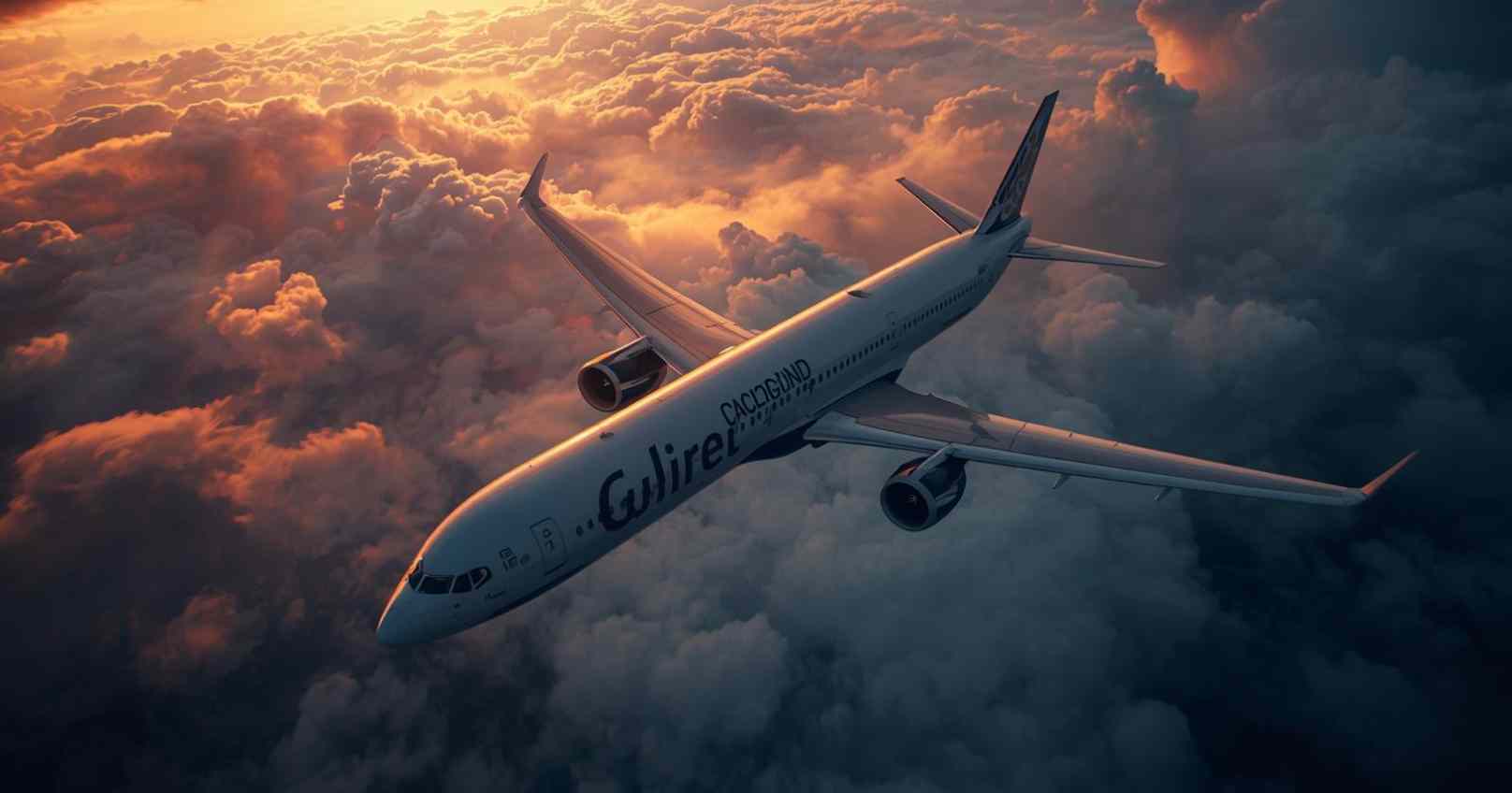
Global Airlines Raise Ticket Prices as Jet Fuel Costs Spike Amid Iran Conflict
Airlines across several regions are increasing fares after fuel prices surged following the conflict involving Iran, pushing operating costs sharply higher
10-03-2026

Air carriers around the world have begun revising ticket prices upward as soaring jet fuel costs strain airline finances in the wake of escalating tensions involving Iran. Several airlines say the steep rise in fuel prices has forced them to adjust fares to cope with growing operational expenses.
According to reports, airlines including Qantas Airways, Scandinavian Airlines (SAS) and Air New Zealand confirmed fare hikes on Tuesday, linking the decision directly to the surge in jet fuel costs triggered by the Middle East conflict.
Before the recent escalation, jet fuel was trading roughly between $85 and $90 per barrel. Prices have since surged dramatically, reaching as high as $150 to $200 per barrel. The uncertainty created by these market swings has prompted Air New Zealand to withdraw its financial forecast for 2026.
The disruption stems partly from tensions affecting a key maritime route used for transporting oil globally. The resulting supply concerns have driven energy prices higher and increased travel costs for passengers on multiple routes.
Airlines say raising ticket prices has become unavoidable as they try to maintain normal operations.
Scandinavian Airlines explained that it has introduced a temporary pricing adjustment to help absorb the higher fuel expenses. The carrier noted that sudden increases of this magnitude require quick action to ensure services remain reliable.
The airline also highlighted changes it made earlier to its fuel hedging strategy due to volatile market conditions. At present, SAS has not secured any hedged fuel supply for the coming year.
While some carriers are more protected against price spikes through hedging agreements, others are exposed to market volatility.
Major airlines such as Lufthansa and Ryanair have locked in part of their fuel purchases at predetermined rates, which helps shield them from sudden price increases.
However, a spokesperson for Finnair warned that if the geopolitical tensions persist, airlines might not only face expensive fuel but also possible supply disruptions. The airline added that over 80 percent of its fuel needs for the first quarter had already been hedged.
Additional worries emerged after production cuts in Kuwait, a key exporter of jet fuel to north-western Europe, which could further tighten supply.
The conflict has also affected aviation routes across parts of the Middle East. According to the flight tracking platform Flightradar24, some aircraft approaching Dubai were briefly instructed to circle in the air due to a suspected missile threat before eventually landing safely.
Qantas Airways said it is exploring ways to shift some flight capacity toward European routes as airlines attempt to avoid regions experiencing security risks and airspace disruptions caused by drone or missile activity.
Flights between Asia and Europe have already become costlier due to restricted airspace and limited capacity. Meanwhile, Cathay Pacific has announced additional services to London and Zurich in March to accommodate rising demand.
Air New Zealand has already implemented fare increases across several routes. Domestic one-way economy tickets have gone up by NZ$10, short-haul international flights by NZ$20, and long-haul journeys by around NZ$90.
The airline indicated that more pricing adjustments or schedule changes could follow if fuel prices remain elevated.
Meanwhile, Hong Kong Airlines announced that it will raise fuel surcharges by as much as 35.2 percent starting Thursday. The biggest increases will affect flights departing Hong Kong to destinations such as Maldives, Bangladesh and Nepal.
Industry analysts warn that if fuel prices continue rising, airfare increases may become widespread, potentially affecting travel demand worldwide.


US Secretary of State Marco Rubio toured Mukesh Ambani’s Jamnagar refinery, Vantara wildlife centr
Read More
Ashneer Grover’s decision not to show the interiors of his rented-out DLF Camellias apartment prom
Read More
AIBOA urges government to shelve proposed sale, flags reported pricing changes and alleged gap betwe
Read More