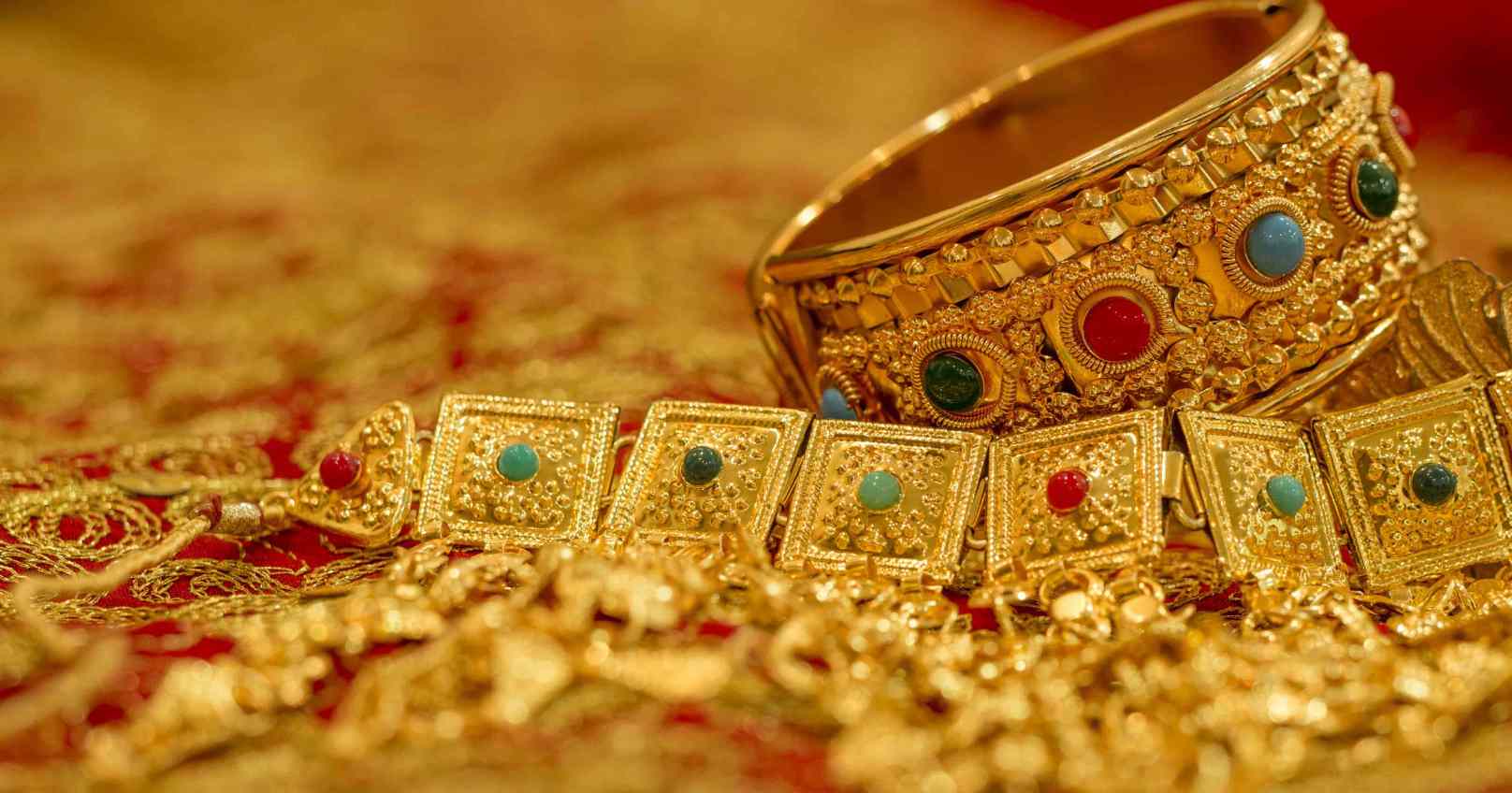
After witnessing an unprecedented surge earlier this year, gold prices have begun to soften, prompting many Indian families to sell old jewellery while rates remain favourable. The recent correction has encouraged consumers to convert idle gold into cash amid concerns that prices could decline further.
Gold futures on the Multi Commodity Exchange (MCX) were trading at around Rs 1,44,199 per 10 grams on Friday, noticeably below their peak levels. The price movement has triggered a wave of profit booking, particularly among households holding unused ornaments.
Industry data indicates that the trend has gathered significant momentum. According to the India Bullion & Jewellers Association (IBJA), nearly 50 tonnes of old gold were sold across the country during the April-June quarter, marking a 43% increase compared to the same period last year.
Why More People Are Selling Gold
The record-breaking rally in gold prices earlier this year encouraged many owners to hold onto their jewellery. However, with prices correcting in recent weeks and expectations of additional declines, many consumers are choosing to cash in now rather than risk receiving lower returns later.
Market experts say households are taking advantage of the elevated price levels to generate liquidity. Some analysts believe gold could witness additional corrections if global economic conditions continue to improve, making current valuations attractive for sellers.
Global Factors Impacting Gold Prices
International developments are also influencing the precious metal. Rising crude oil prices, renewed geopolitical uncertainty, and expectations that the US Federal Reserve could maintain higher interest rates have weighed on global gold prices.
Since gold does not generate regular income like interest-bearing investments, higher interest rates often reduce its appeal, encouraging investors to shift funds into other financial assets.
Gold Recycling Sees Strong Growth
The increase in jewellery sales has provided a boost to India's organised gold recycling industry. Instead of remaining unused in household lockers, old ornaments are being refined and reintroduced into the supply chain for jewellery manufacturing.
Several organised gold-buying companies have reported a sharp rise in customers looking to exchange or sell their jewellery through formal channels, reflecting growing consumer confidence in transparent valuation and payment processes.
Why It Matters for India
India imports the majority of the gold it consumes despite being one of the world's largest markets for the precious metal. Industry experts believe increased recycling can reduce dependence on imports while helping households unlock value from dormant assets.
With Indian families estimated to collectively own nearly 30,000 tonnes of gold, higher recycling volumes could significantly strengthen domestic supply and lower import requirements in the coming years.
Should You Sell Your Gold?
Financial advisors say the decision should depend on personal financial goals rather than short-term market fluctuations.
For those holding jewellery they no longer use, current prices may offer an attractive opportunity to realise gains. However, investors looking at long-term wealth preservation may still prefer to retain some exposure to gold, given its role as a safeguard against inflation, economic uncertainty and market volatility.