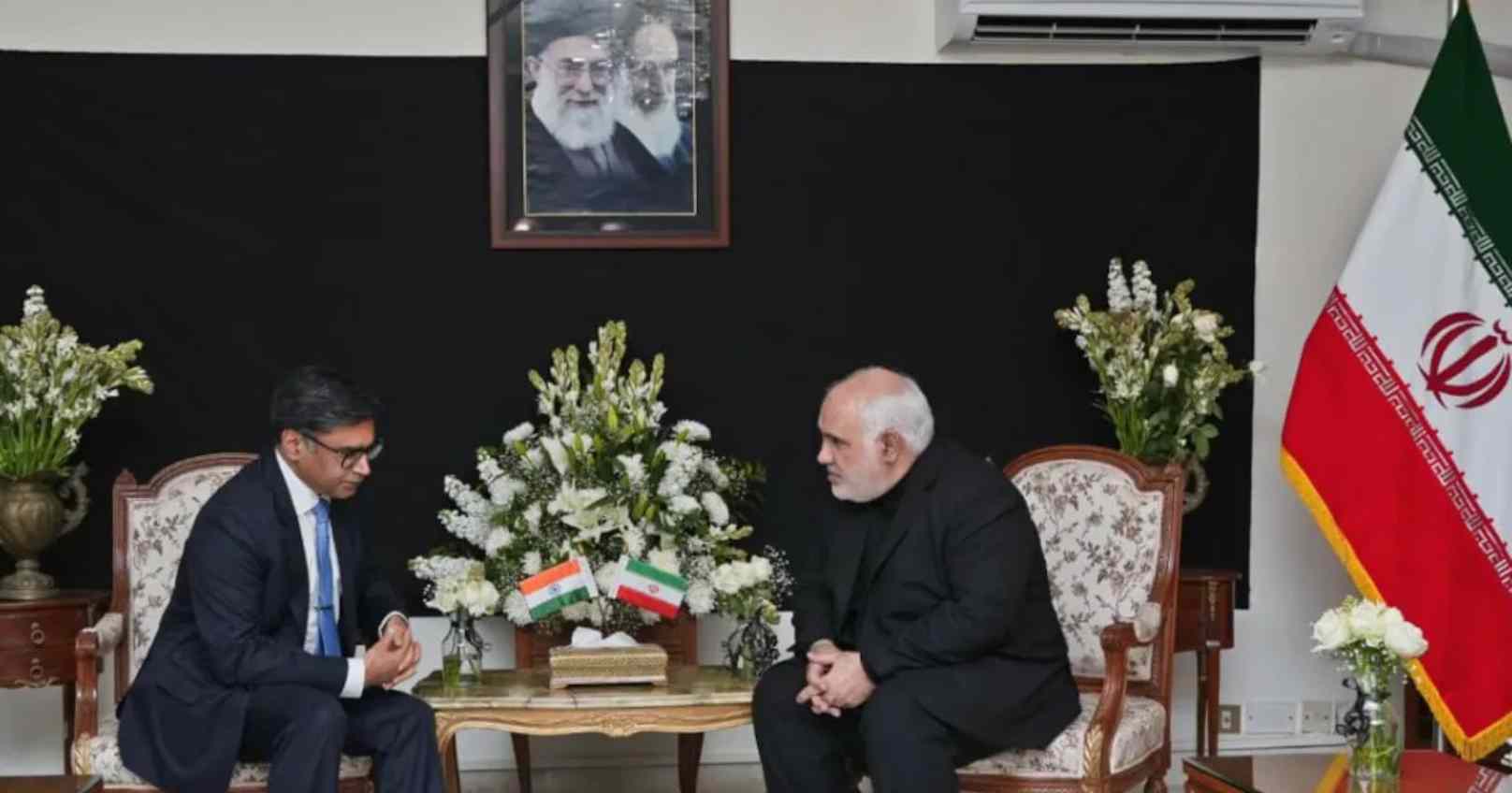
India has formally conveyed condolences to Iran following the death of its Supreme Leader, Ali Khamenei, who was killed during recent US–Israel airstrikes in Tehran. As part of the gesture, India’s Foreign Secretary Vikram Misri visited the Iranian embassy in New Delhi and signed the condolence register on behalf of the Indian government and its people.
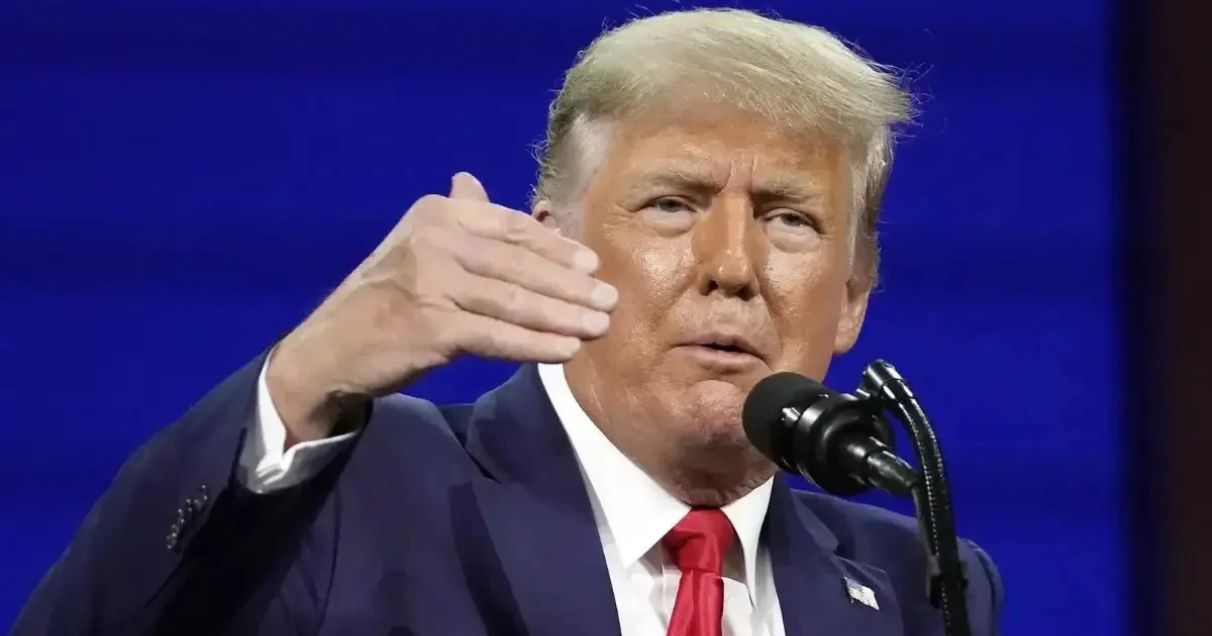
Khamenei died on Sunday, hours after coordinated military strikes carried out by the United States and Israel in the Iranian capital. India’s outreach comes at a sensitive moment in the regional conflict and represents a measured diplomatic move after New Delhi initially refrained from publicly condemning the strikes despite calls from Opposition leaders for a clear statement.
External Affairs Minister S. Jaishankar also held a telephonic conversation with his Iranian counterpart Seyed Abbas Araghchi to discuss the situation.
Prime Minister Narendra Modi later voiced concern about the escalating crisis in West Asia and reiterated India’s long-standing position that disputes should be resolved through dialogue and diplomacy.
India’s response broadly mirrors the cautious approach adopted by many global powers, most of which have avoided issuing formal condolences following Khamenei’s killing. Among major nations, only Russia and China have publicly expressed sympathy.
The diplomatic exchange also came shortly after Iran’s Revolutionary Guards announced restrictions in the strategic Strait of Hormuz, warning that vessels linked to the United States, Israel, Europe and their allies could face attacks if they attempt to pass through the crucial shipping corridor.
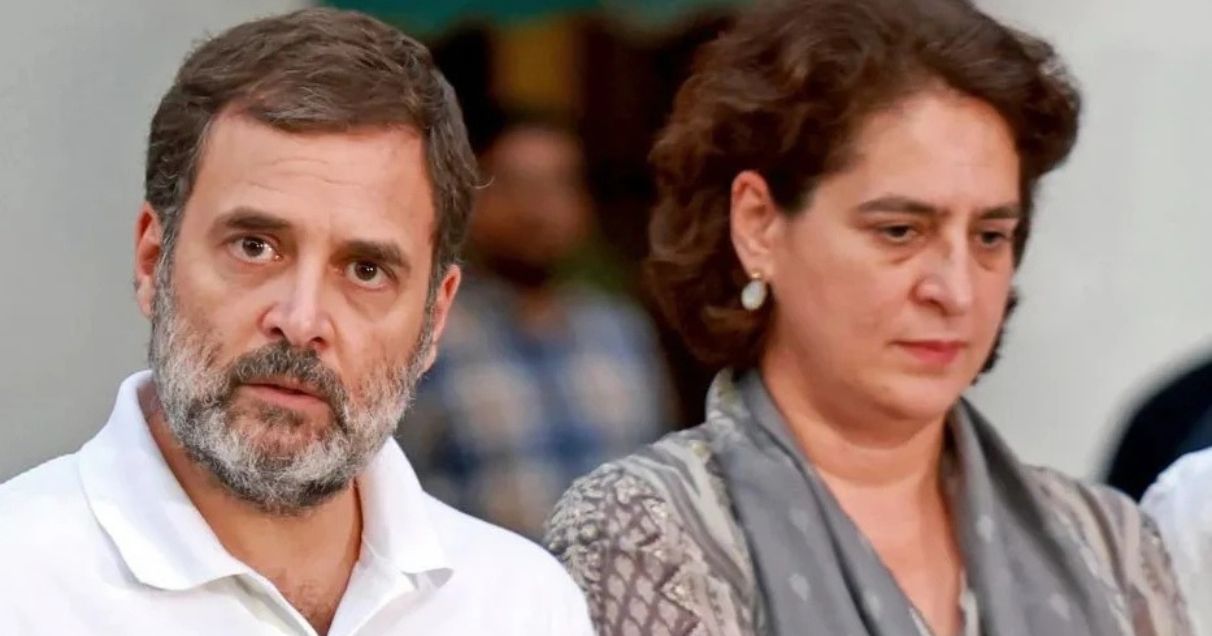
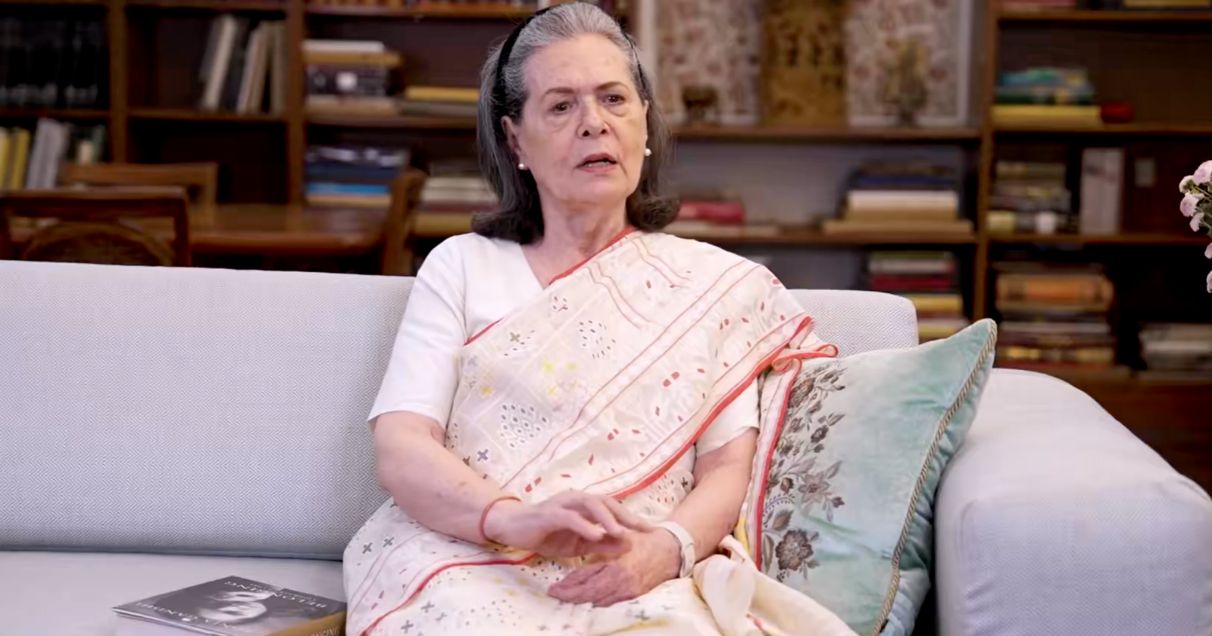
Domestically, the government has faced criticism from the Opposition over its earlier silence on the killing of the Iranian leader. Senior Congress figure Sonia Gandhi questioned the government’s approach, arguing that failing to defend principles such as sovereignty and international law could undermine India’s diplomatic credibility.
India historically maintained strong economic and energy ties with Iran. At one stage, nearly 13 per cent of India’s crude oil imports came from the country. However, trade declined sharply after the United States reimposed sanctions on Tehran following its withdrawal from the Iran nuclear agreement in 2018.
At the same time, New Delhi has significantly strengthened relations with Israel over the past decade. In 2017, Narendra Modi became the first Indian Prime Minister to visit the country, marking a new phase in strategic, defence and economic cooperation between the two nations.
Analysts say India’s latest diplomatic gesture reflects an attempt to balance its relationships across the region while navigating growing geopolitical tensions and maintaining ties with both Western and Middle Eastern partners.