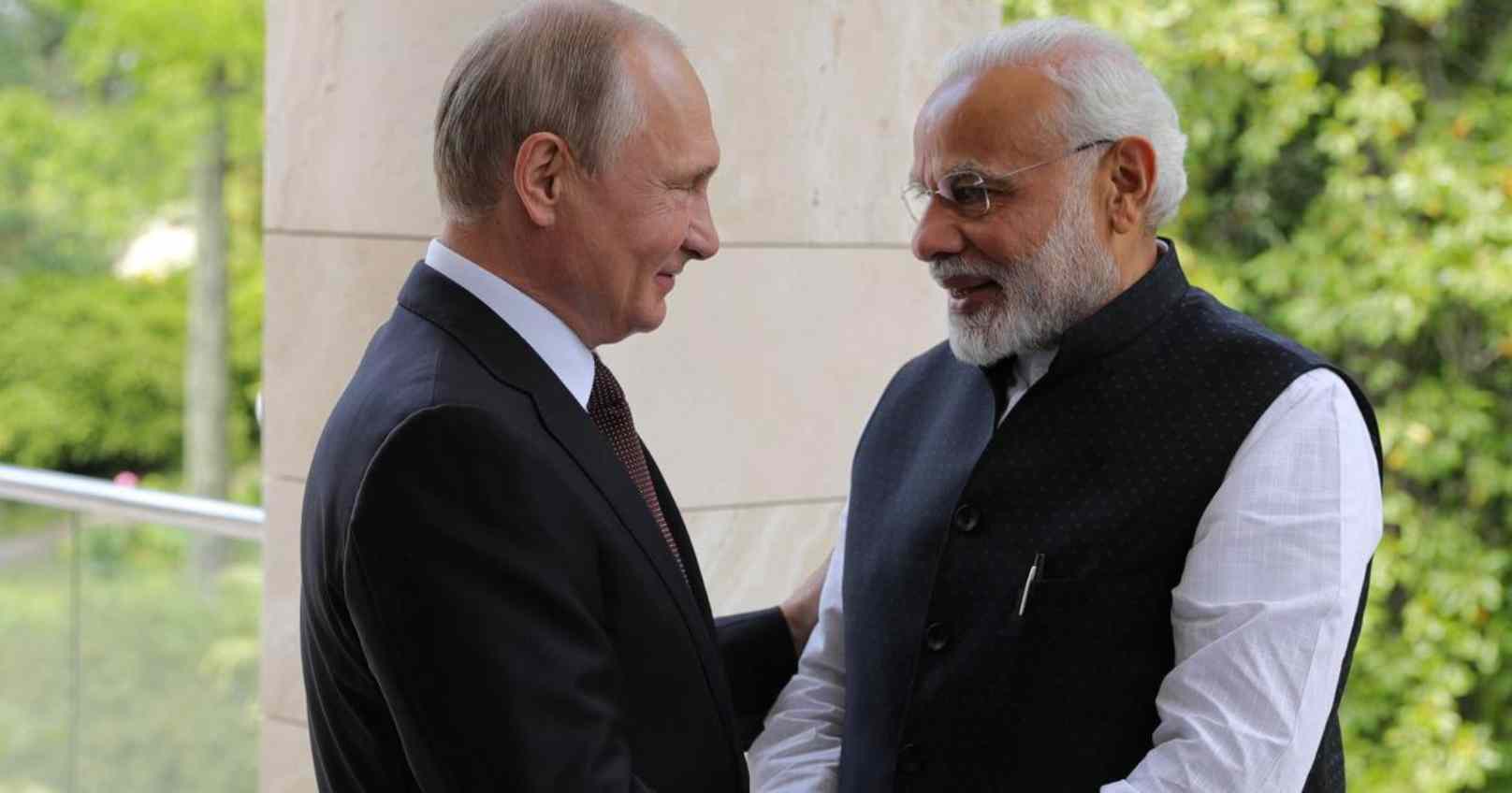
Russia is willing to redirect oil cargoes to India if the ongoing conflict in West Asia disrupts global supply chains, according to a source familiar with the matter quoted by Reuters.
Roughly 9.5 million barrels of Russian crude are already being transported on tankers near Indian waters and could reach refineries within a few weeks, potentially providing quick relief to India’s energy sector if supplies from the Gulf region are interrupted.
The source did not disclose the original destinations of these cargoes, which are being carried by non-Russian vessels, but indicated that they could be diverted to India at short notice if required.
India remains particularly exposed to supply shocks because its strategic and commercial reserves cover only about 25 days of crude consumption. Refiners also maintain relatively limited inventories of petroleum products such as diesel, petrol and liquefied petroleum gas (LPG).
Officials in New Delhi are therefore exploring alternative procurement options to prepare for a possible prolonged disruption in Middle Eastern energy exports over the next two weeks.
Strait of Hormuz Disruptions
The urgency stems from the growing instability around the Strait of Hormuz, a critical maritime route through which nearly 40% of India’s crude imports are transported.
Recent attacks on vessels in the area following military strikes by the United States and Israel on Iranian targets have severely disrupted shipping activity through the strait.
India’s refineries process about 5.6 million barrels of crude oil per day, making the country one of the largest energy consumers globally. With the sea route increasingly unsafe, energy planners are actively seeking alternative suppliers.
An industry insider said Russia could potentially supply as much as 40% of India’s crude requirement if the situation worsens.
Russian Oil Imports and Trade Dynamics
Imports of Russian crude had dropped to around 1.1 million barrels per day in January, the lowest level since late 2022, amid trade negotiations with Washington. As a result, Russia’s share of India’s total oil imports declined to about 21%.
However, shipments increased again in February, raising Moscow’s share to roughly 30%, according to industry data.
Indian refiners remain in constant contact with traders dealing in Russian oil, though any decision to significantly increase purchases will likely depend on policy signals from the government as trade discussions with the United States continue.
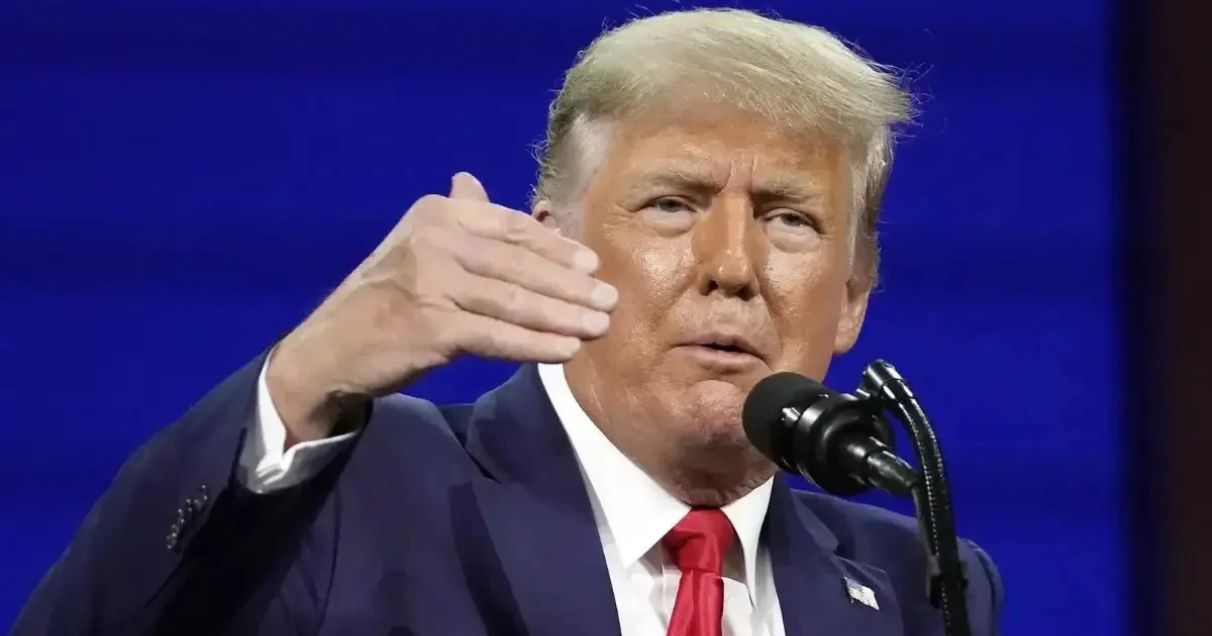
Earlier this year, Donald Trump announced the removal of punitive tariffs imposed on Indian imports over its purchases of Russian oil, saying New Delhi had indicated it would reduce such imports.
India has maintained that it will continue sourcing crude from multiple suppliers depending on market conditions and geopolitical developments.
Energy Market Pressures
Since the start of the war in Ukraine in 2022, Russian oil has generally been sold at discounted prices. However, industry insiders say those discounts may shrink as supply tightens and demand rises amid the Middle East crisis.
Russia has also signalled its willingness to supply liquefied natural gas (LNG) to India after Qatar temporarily halted production due to the widening regional conflict.
Reports suggest some Indian companies have already reduced gas allocations to industrial users to manage the shortfall.
Both India and China rely on the Middle East for about half of their crude imports. However, China maintains significantly larger reserves, leaving India comparatively more vulnerable to sudden supply disruptions.
Meanwhile, President Trump has said the United States Navy could escort oil tankers through the Strait of Hormuz if required to keep global energy shipments moving.