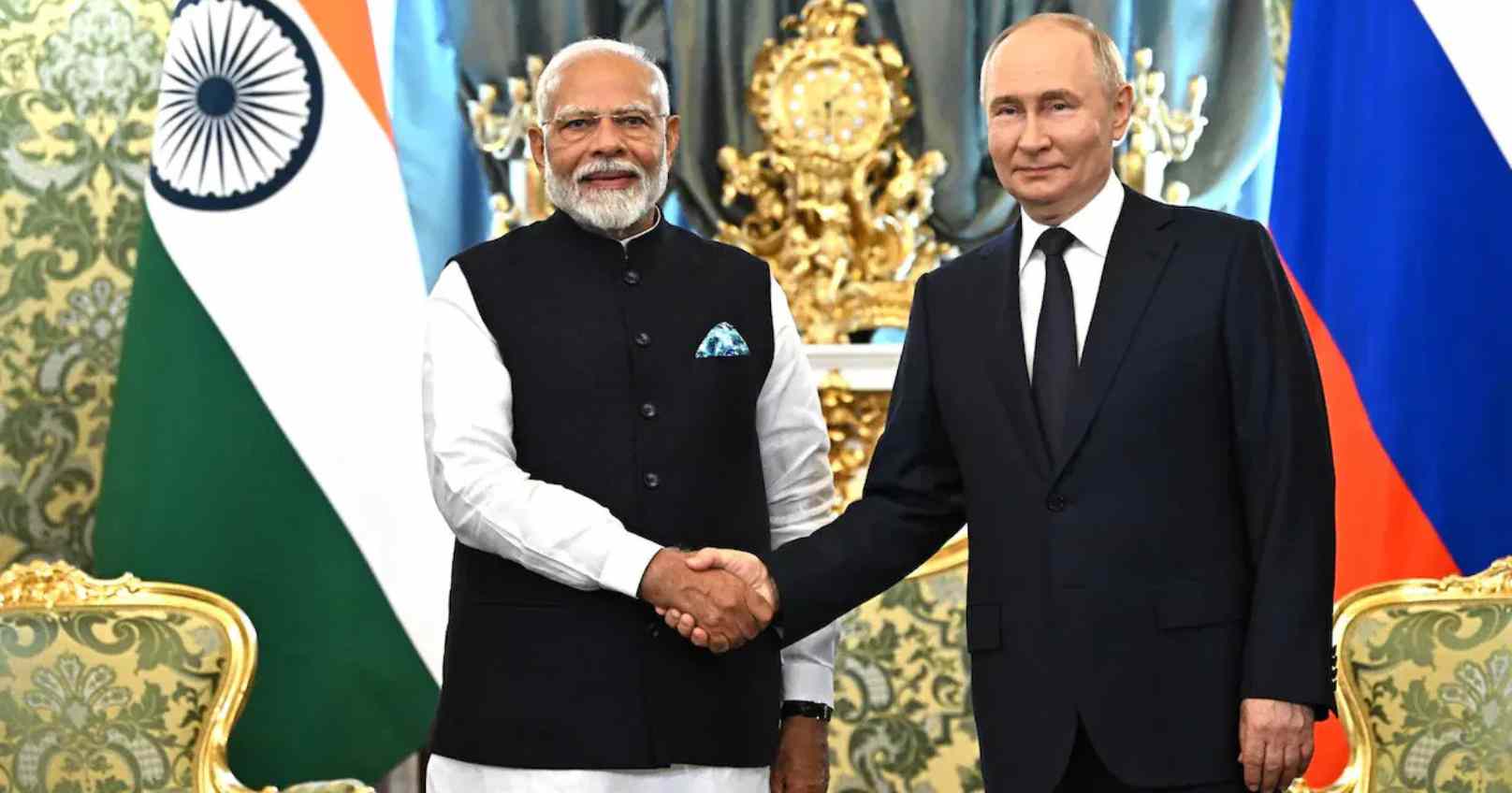
Amid growing uncertainty in global energy markets triggered by escalating tensions in West Asia, Russia has indicated it could provide additional energy supplies to India if disruptions affect oil shipments through the strategic Strait of Hormuz, according to a report citing Russian sources.
The assurance comes as the ongoing conflict in the region raises concerns over the safety of shipping lanes used for transporting crude oil and liquefied natural gas. The Strait of Hormuz remains one of the world’s most vital maritime chokepoints, carrying a substantial portion of global energy trade.
India Says Fuel Stocks Are Adequate
Indian government officials said the country currently has sufficient crude oil and petroleum product reserves to manage short-term supply interruptions. Authorities estimate that existing inventories can sustain domestic demand for fuels such as petrol and diesel for roughly six to eight weeks.
Officials added that India’s combined reserves of crude oil and refined petroleum products can last around 50 days. This includes approximately 25 days’ worth of crude oil and another 25 days of refined fuels already stored within the country.
Hormuz Disruptions Raise Concerns
Nearly half of India’s crude oil and LPG imports move through the Strait of Hormuz. Shipping in the region has become more uncertain after joint military operations by United States and Israel against Iranian targets and warnings issued by Iran to vessels navigating nearby waters.
Insurance withdrawals for ships passing through the area have also complicated tanker movements, raising concerns among energy-importing countries.
Government Monitoring Situation Closely
India’s Petroleum and Natural Gas Minister Hardeep Singh Puri said the country is well positioned to handle temporary disruptions in supply. According to officials, India maintains strong reserves of crude oil as well as essential fuels including petrol, diesel and aviation turbine fuel.
India is the world’s third-largest crude oil importer, while also ranking among the top countries in refining capacity and petroleum exports. Over the past few years, the government has expanded its sourcing strategy to reduce dependence on any single region.
Authorities say some supplies are already being routed through alternative channels that bypass the Strait of Hormuz, helping to limit exposure to geopolitical risks.
To keep track of the situation, the petroleum ministry has also set up a round-the-clock monitoring centre that tracks fuel availability and stock levels across the country.
Russia Could Step In if Needed
Against this backdrop, Russia has conveyed its willingness to supply additional crude if the crisis in the Gulf region intensifies. Reports suggest India could increase imports of Russian oil to compensate for any shortfall from West Asian suppliers.
India had earlier planned to gradually scale back purchases of Russian crude following a trade understanding with the United States. However, that arrangement is now uncertain after the US Supreme Court invalidated certain tariff measures introduced by Donald Trump.
Rising Oil Prices a Bigger Concern
While India’s immediate fuel availability appears secure, officials warn that the more pressing challenge could be rising prices. Global benchmark Brent crude has already climbed above $80 per barrel, marking a sharp increase since the start of the Iran crisis.
Higher crude prices could push up India’s import bill and potentially fuel inflation in the domestic economy. The country spent approximately $137 billion on crude oil imports in the financial year 2024–25 and over $100 billion between April 2025 and January 2026 alone.
Aviation Sector Reviews Fuel Stocks
The aviation sector is also taking precautionary measures. The Airports Authority of India has asked international airport operators to submit updated information about aviation turbine fuel reserves and projected consumption for the coming week.
Airport authorities have been instructed to share data on daily fuel usage, supply schedules and current inventory levels as part of contingency planning.
India currently operates 33 international airports, which recorded more than 350 international departures and over 340 arrivals on March 2.
Prepared but Watching Closely
With a significant share of global oil and LNG shipments passing through the Strait of Hormuz, any prolonged disruption could impact international energy markets. For now, Indian officials say the country remains in a “reasonably comfortable” position while keeping backup supply options ready.