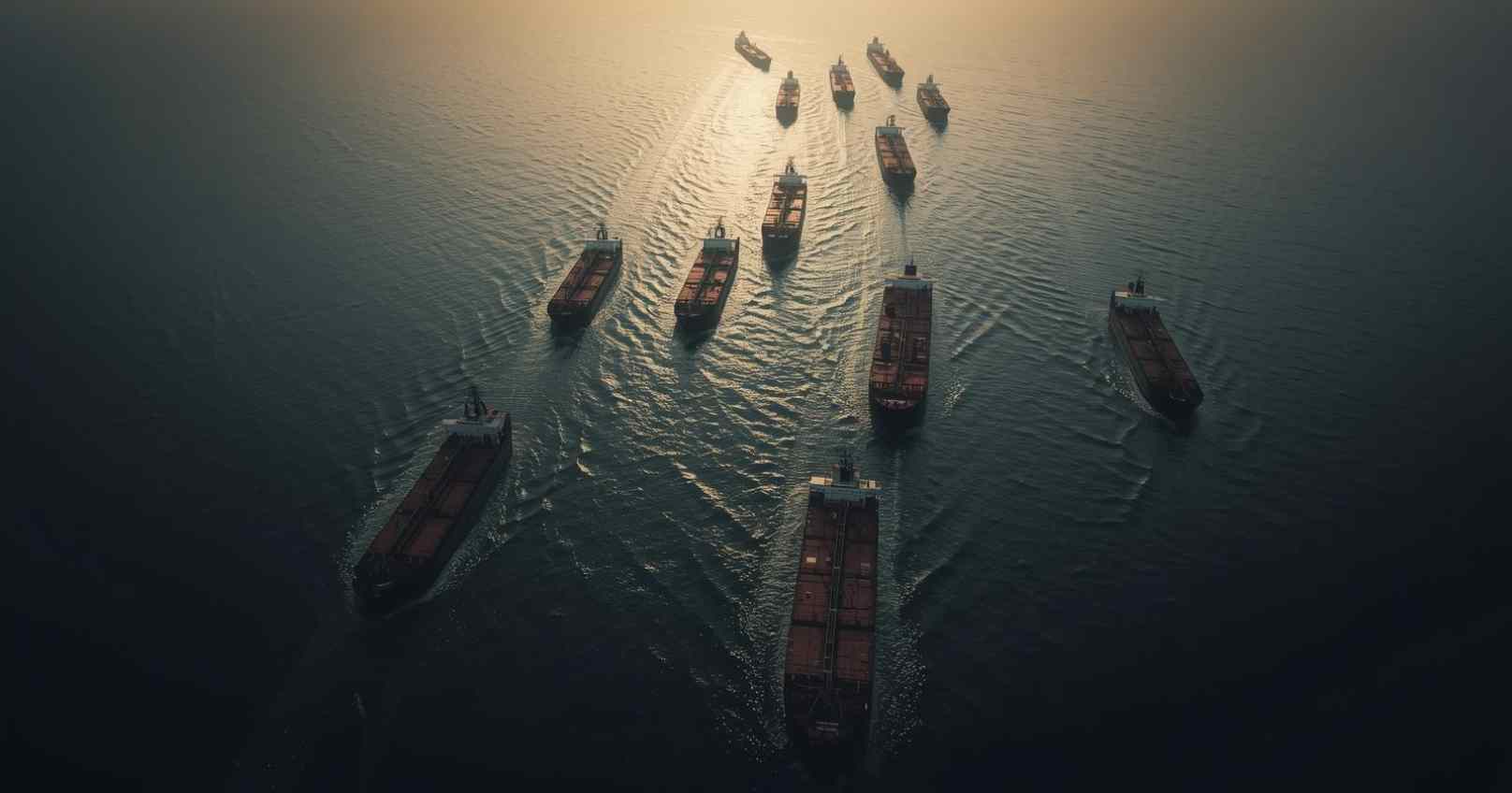
India is holding discussions with Iran to facilitate the safe transit of more than 20 Indian oil and gas vessels currently stuck near the Strait of Hormuz, according to a report by Bloomberg.
The negotiations are reportedly being led by India’s Ministry of External Affairs as authorities attempt to ensure that the ships can move through the strategically vital maritime corridor.
The strait, which links the Persian Gulf to the Gulf of Oman, has been disrupted due to the ongoing conflict involving Iran. Normally, around one-fifth of the world’s crude oil shipments pass through this narrow route.
Tankers carrying energy cargo stranded
The vessels awaiting clearance are carrying important energy supplies, including liquefied petroleum gas, liquefied natural gas and crude oil. They have reportedly remained halted in the region since military strikes by the United States and Israel against Iran escalated tensions in the area.
Earlier in the day, sources indicated that Tehran had allowed the Indian tankers to pass through the waterway after discussions between India’s External Affairs Minister S. Jaishankar and his Iranian counterpart Abbas Araghchi.
Later, Randhir Jaiswal, spokesperson for India’s Ministry of External Affairs, confirmed that the two leaders had been in contact but did not disclose further details about the ships.
Jaishankar had earlier said on social media platform X that he spoke with Araghchi and that both countries would remain in touch during the ongoing crisis.
Government says fuel supplies remain secure
Amid concerns about potential disruptions to energy supplies, Union Petroleum Minister Hardeep Singh Puri assured Parliament that India’s fuel availability remains stable.
He said the country’s crude procurement levels are sufficient and even exceed the quantities that would typically arrive through the Strait of Hormuz during the same period.
According to Puri, roughly 45 per cent of India’s crude imports previously passed through the Hormuz route before the crisis began. However, the country has since secured alternative supplies through diplomatic outreach and diversified sourcing.
Refineries operating at high capacity
The minister also noted that Indian refineries are currently functioning at very high capacity, with some running above 100 per cent utilisation to meet domestic demand.
Imports from countries outside the Hormuz route have also increased significantly, rising to nearly 70 per cent compared to about 55 per cent when the conflict first began.
Puri further stated that supplies of petrol, diesel, kerosene, aviation turbine fuel and fuel oil remain stable, with retail fuel outlets across the country adequately stocked and distribution systems operating normally.