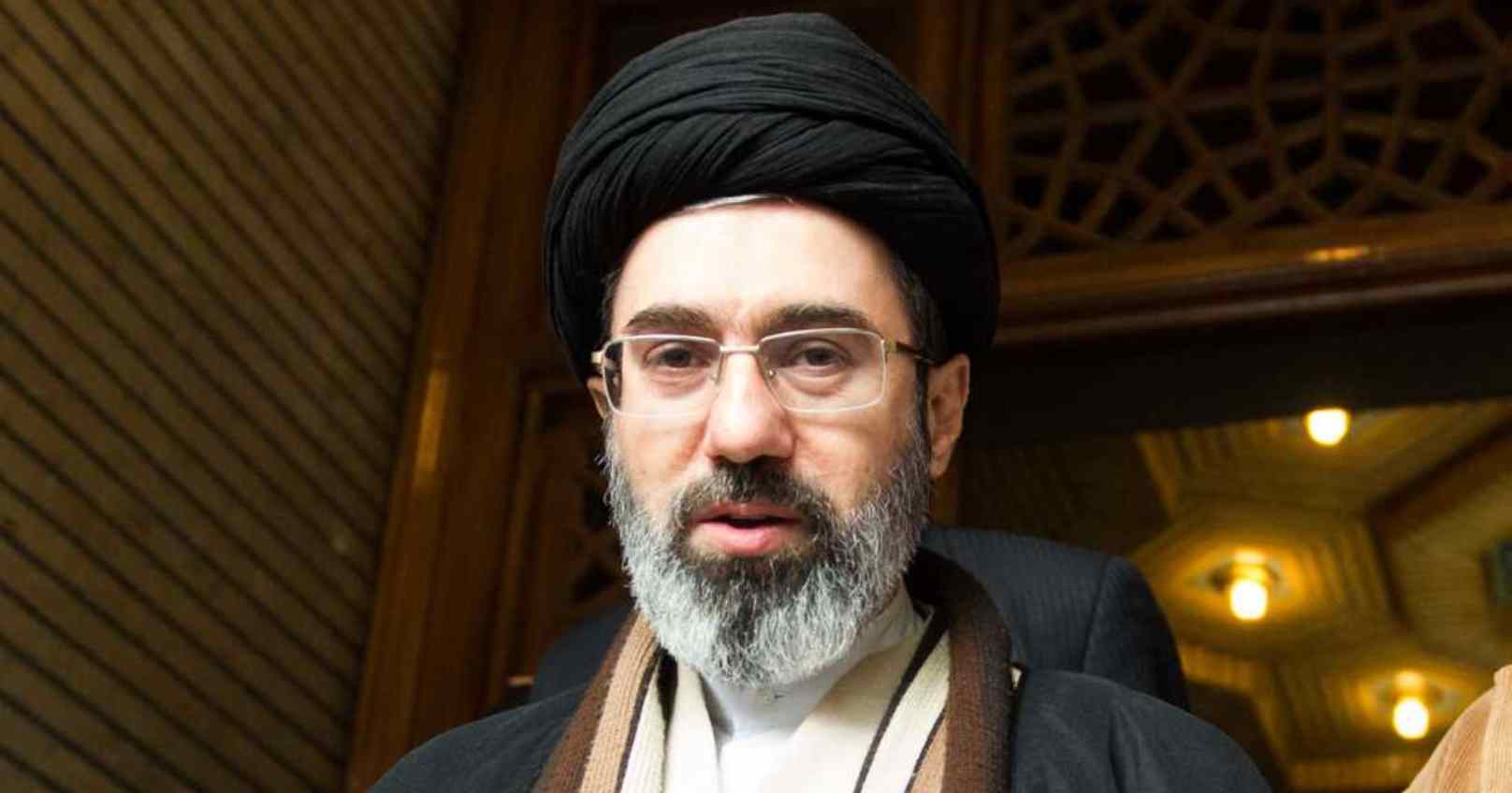
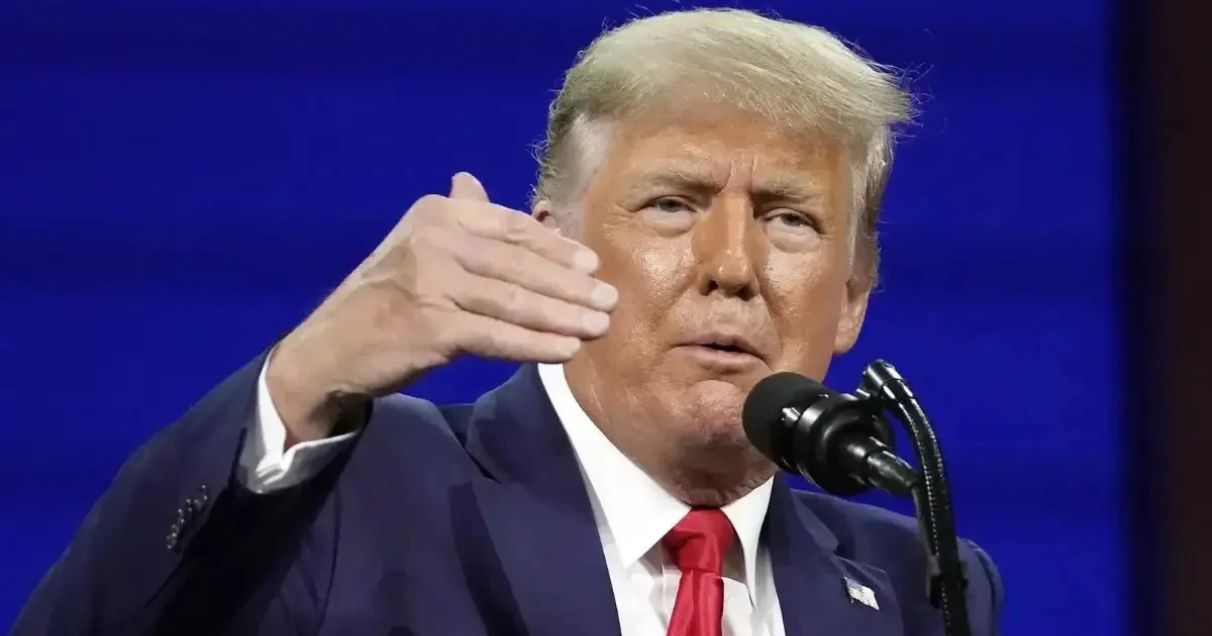
In his first public remarks since assuming leadership, Mojtaba Khamenei said Iran intends to keep the Strait of Hormuz closed as part of its strategy against the United States.
His message was broadcast on state television, where a news presenter read the statement instead of Khamenei appearing on screen.
The Iranian leader warned that American military installations across the region could become targets if they continue operating. He said the presence of US bases had failed to deliver stability and instead contributed to unrest.
Iran vows continued retaliation
Khamenei also pledged to avenge those who died during the ongoing conflict, stating that Tehran intends to seek compensation from its adversaries.
According to him, Iran would pursue repayment for damages caused by the war, and if that does not happen, the country would take retaliatory action against the assets of its enemies.
He added that some acts of retaliation had already begun but emphasised that the campaign would continue until Iran considers justice to be fully delivered.
Tribute to Ali Khamenei
Speaking about his father and predecessor, the late Ali Khamenei, the new Supreme Leader described him as a symbol of resilience.
He said Iran would continue the path set by his father and promised that the country would not retreat in the face of pressure.
Khamenei also stated that the nation would remember every life lost during the conflict and ensure their deaths are avenged.
Support from regional allies
The Iranian leader expressed appreciation for allied armed groups across the region that support Tehran’s agenda.
He referred to what Iran calls the “Resistance Front,” including organisations such as Hezbollah in Lebanon and the Houthis in Yemen, along with aligned factions in Iraq.
Iran sets terms to end conflict
Meanwhile, Iranian President Masoud Pezeshkian outlined three key conditions that Tehran believes are necessary to bring the war to an end.
In a message posted on X, he said any settlement must acknowledge Iran’s rights, provide financial compensation for damage caused during the conflict, and include firm international assurances preventing future attacks.
He said these points were reiterated during discussions with leaders of Russia and Pakistan.
Economic pressure through energy disruption
Iran has also intensified attacks on shipping and energy infrastructure in the Persian Gulf, contributing to a sharp rise in global oil prices.
Crude prices climbed above $100 per barrel as fighting between Iran, the United States and Israel continued with no clear resolution.
Analysts say Tehran appears to be using disruptions to global energy supply and maritime trade to increase economic pressure on its opponents in hopes of forcing them to halt military operations that began on February 28.