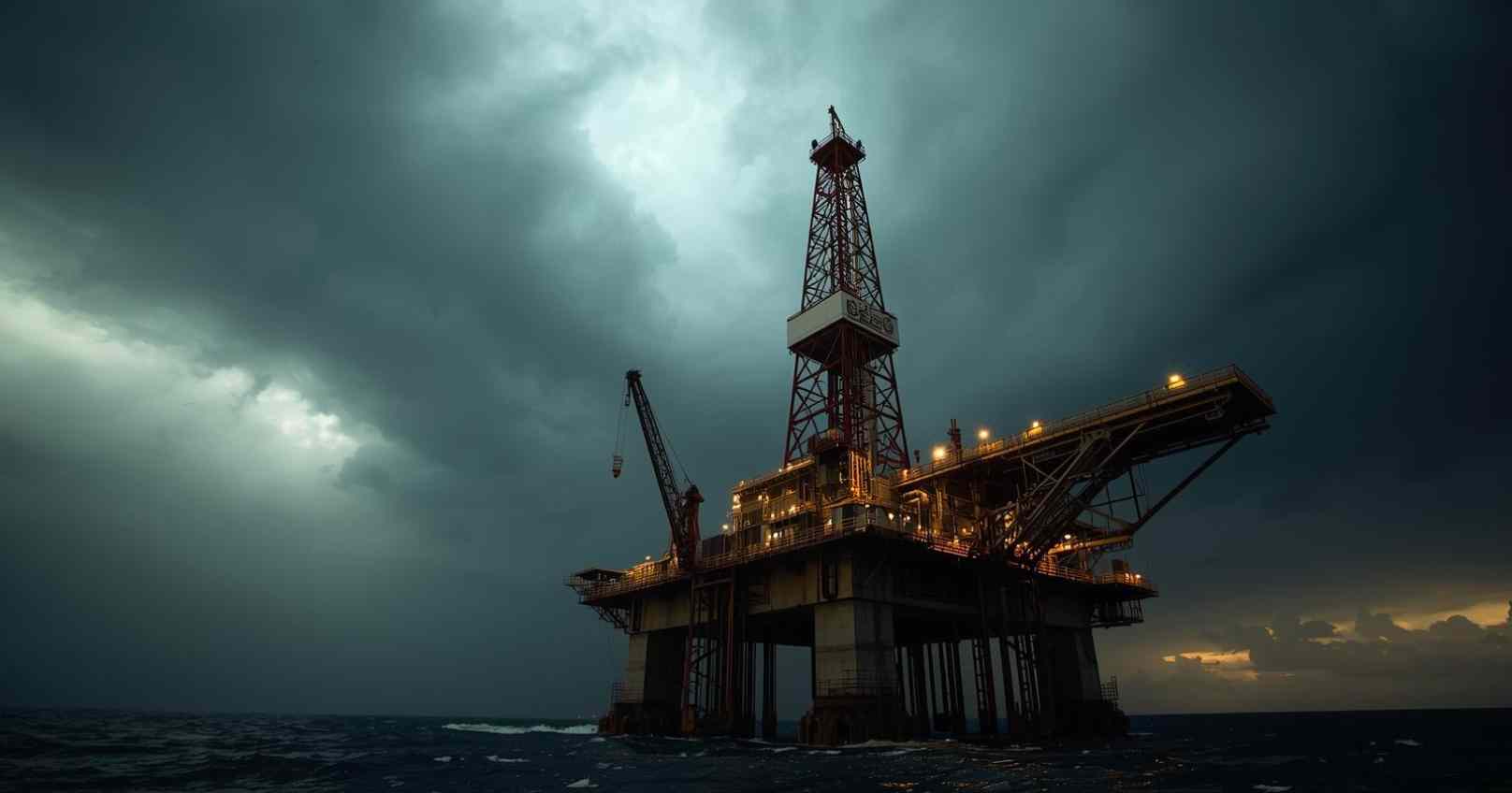
The expanding conflict across the Middle East is beginning to rattle global energy markets, with Iran cautioning that oil prices could climb dramatically if security conditions worsen in the region. Iranian officials say crude could potentially reach $200 per barrel if the instability continues to affect vital shipping routes.
The warning comes as Iranian forces continue launching missiles and drones targeting Israel and American military installations across the Middle East.
A spokesperson for Iran’s military command, Ebrahim Zolfaqari, blamed the escalation on Washington’s actions and said global markets should brace for sharply higher oil prices. He suggested that energy costs are closely tied to regional stability, which he claimed had been disrupted.
Zolfaqari also indicated that Iran may move beyond limited retaliatory operations and instead adopt sustained attacks against both Israel and the United States.
Strategic oil route under pressure
The situation has raised serious concerns about the security of the Strait of Hormuz, a narrow but extremely important maritime passage through which roughly 20 percent of the world’s oil supply moves.
Ongoing hostilities have begun affecting vessel movement in the area. Reports indicate that two ships navigating the strait were struck during recent Iranian operations, according to statements from the Islamic Revolutionary Guard Corps that were cited by Fars News Agency.
Separately, authorities in Thailand confirmed that 20 crew members from a Thai vessel damaged by an unidentified projectile were rescued safely.
As risks escalate, shipping companies are increasingly suspending or diverting voyages away from the corridor. Numerous oil tankers have remained anchored in nearby waters while insurers and operators reassess whether it is safe to continue using the route.
Emergency oil release planned
In response to the growing uncertainty in global energy markets, the International Energy Agency has proposed releasing around 400 million barrels of oil from strategic reserves. If implemented, it would be the largest coordinated reserve release in the agency’s history.
The plan significantly exceeds the 182 million barrels that were released collectively by member countries after Russia launched its invasion of Ukraine in 2022.
The proposal is expected to be discussed at an upcoming meeting of leaders from the Group of Seven nations, chaired this time by France.
Markets on edge
Iran has repeatedly warned that further military strikes by the United States or Israel could expand the confrontation into an economic battle targeting critical infrastructure.
Earlier, senior commander Ebrahim Jabbari from the Islamic Revolutionary Guard Corps said Tehran would respond forcefully if its strategic facilities were attacked, including strikes on economic targets across the region.
Energy markets have already reacted to the growing tension. Oil prices briefly surged past $120 per barrel earlier this week before easing slightly, while global stock markets recovered some ground.
However, analysts caution that any prolonged disruption in the Strait of Hormuz could quickly tighten global supplies and trigger a sharp spike in energy prices worldwide.