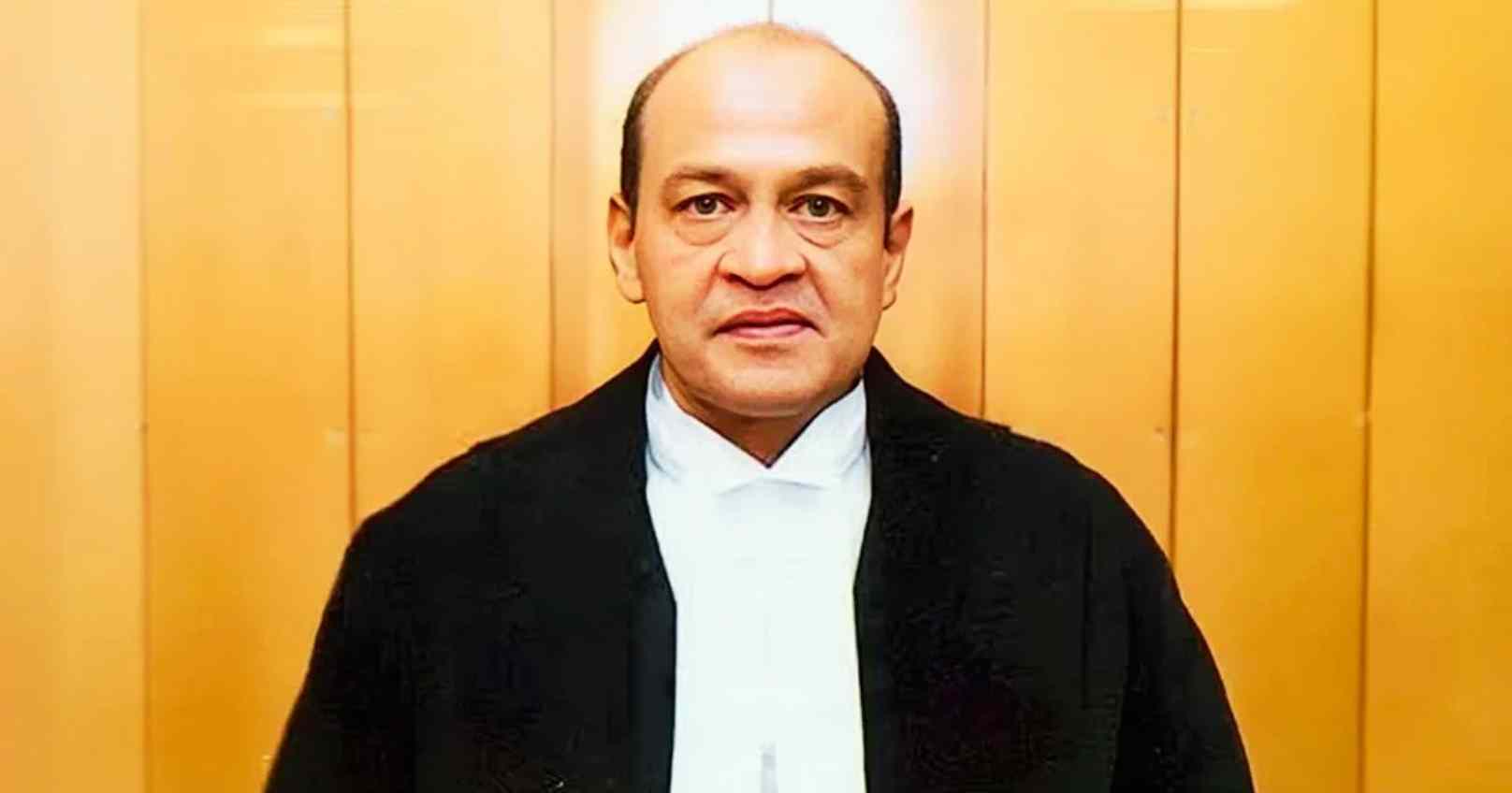
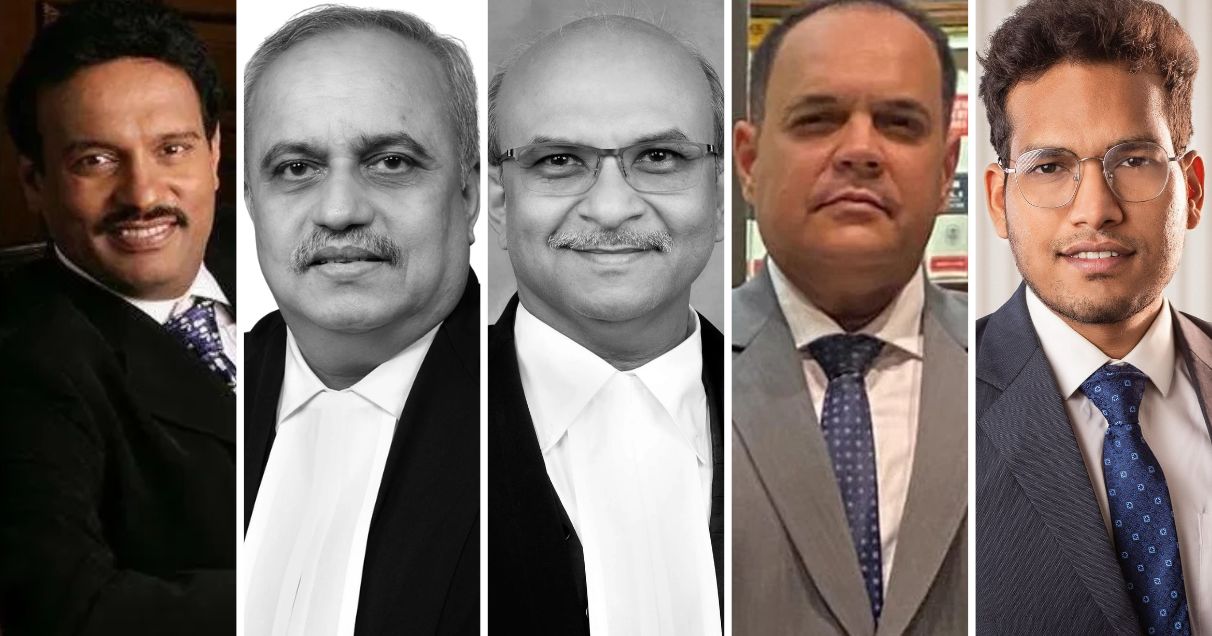
A rare and historic process was set in motion on Monday, as over 140 Members of Parliament—cutting across party lines—formally initiated impeachment proceedings against Justice Yashwant Varma, the former Delhi High Court judge in whose residence burnt bundles of ₹500 notes were discovered earlier this year.
Lawmakers from both the ruling Bharatiya Janata Party and opposition parties such as the Congress and CPI(M) signed a memorandum submitted to Lok Sabha Speaker Om Birla. Notable among the signatories were former Union Minister Anurag Thakur (BJP), Congress leader Rahul Gandhi, and NCP’s Supriya Sule.
This marks the first instance in post-Independence India of Parliament initiating the impeachment process against a sitting High Court judge. Justice Varma, currently posted back at the Allahabad High Court and no longer holding an active role, faces charges that will now be examined by Parliament under Articles 124, 217, and 218 of the Constitution.
What Impeachment Means
Although the Constitution does not explicitly mention the word "impeachment" with respect to judges, it outlines the removal process under the Judges Inquiry Act of 1968. For a judge of the Supreme Court or High Court to be removed, the President must issue an order, but only after Parliament agrees to do so.
The process starts with a motion signed by at least 100 Lok Sabha MPs or 50 Rajya Sabha MPs. Once submitted, the Speaker or Rajya Sabha Chair reviews it and decides whether it can be admitted for further inquiry.
Government Signals Intent to Proceed
Parliamentary Affairs Minister Kiren Rijiju confirmed on Sunday that a substantial number of MPs—more than 36 from the Congress—had endorsed the move. The Centre appears committed to pushing the process forward against Justice Varma, who has denied wrongdoing.
How the Controversy Began
On March 15, a fire broke out at the judge’s government residence in Delhi. Firefighters responding to the call found stacks of burnt currency notes—later confirmed to be ₹500 denominations—in an outhouse on the property. Justice Varma has dismissed the allegations linking him to the cash, describing them as baseless and part of a conspiracy.
However, the explosive discovery fueled a national debate on judicial accountability and prompted the Supreme Court to form an internal panel. That panel, after a detailed inquiry, recommended Varma’s removal. The findings were submitted to President Droupadi Murmu and Prime Minister Narendra Modi by the then Chief Justice of India, Sanjiv Kumar.
A 64-page internal report noted that the portion of the property where the money was found was under the exclusive use of Justice Varma and his family.
Justice Varma Challenges Inquiry
Last week, Justice Varma petitioned the Supreme Court to contest the findings of the in-house panel. He argued that the inquiry lacked legal authority to investigate a sitting High Court judge and accused the committee of denying him procedural fairness. He also questioned the Chief Justice’s power to discipline High Court judges, citing limits on jurisdiction.
Rare Move in Indian Judicial History
While Parliament has considered such action in the past—most recently in 2018 against former Chief Justice of India Dipak Misra—no judge in independent India has ever been impeached. The unfolding events in Justice Varma’s case could now set a precedent.