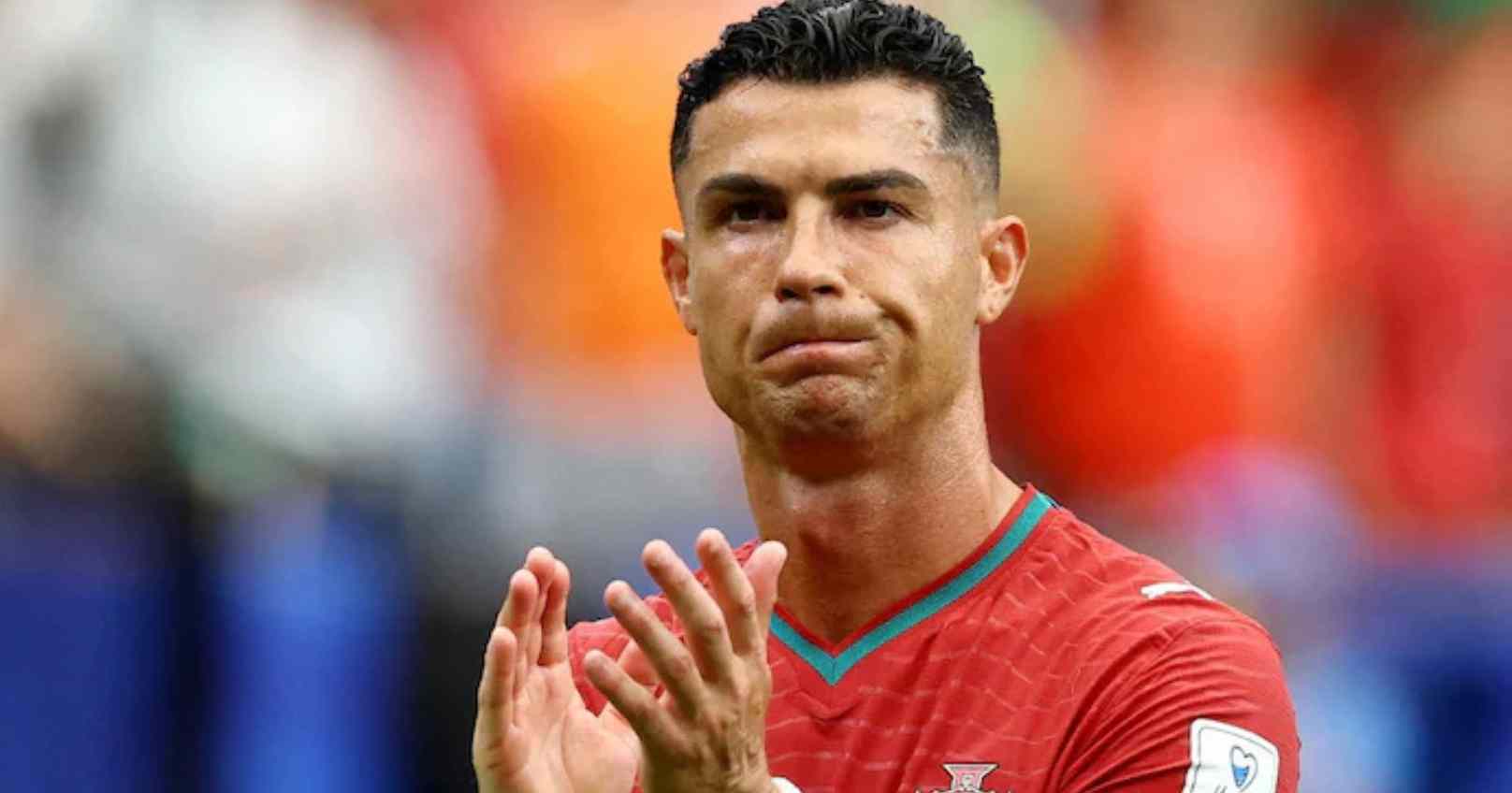
Portugal's opening match of the FIFA World Cup 2026 has sparked fresh questions about Cristiano Ronaldo's role in the national team after a disappointing display against DR Congo ended in a frustrating draw.
The Portuguese side appeared to be in complete control early on when Joao Neves found the net with a well-taken header. With talented midfielders orchestrating play and dominating possession, Portugal looked set to cruise through the contest. However, despite enjoying most of the ball and dictating the tempo, the team struggled to create clear-cut opportunities after taking the lead.
The spotlight inevitably fell on Ronaldo, who endured a quiet evening in attack. The veteran forward had limited involvement in dangerous areas and failed to register a shot on target. For a player whose career has been defined by decisive moments and relentless goalscoring, the performance stood out for all the wrong reasons.
As the match progressed, DR Congo grew in confidence and eventually earned a memorable result. Surprisingly, the African side finished with stronger attacking numbers, creating more meaningful chances and testing Portugal's defence more frequently than expected.
At 41 years old, Ronaldo continues to break records simply by stepping onto the pitch. His longevity remains one of football's most remarkable achievements. Yet the realities of age are becoming increasingly difficult to ignore.
During his prime years, Ronaldo combined explosive pace, physical power and exceptional dribbling ability. Over time, his game evolved into that of a traditional striker operating closer to goal. While that transition brought continued success at club level, it has become more challenging on the international stage, where mobility and pressing often play a crucial role.
Recent tournament statistics have further intensified concerns. The Portuguese captain has struggled to make a decisive impact in major international competitions, with goals becoming increasingly difficult to find against elite opposition.
The issue extends beyond individual numbers. Portugal boasts one of the most technically gifted squads in world football, featuring creative stars capable of controlling matches and generating opportunities. However, questions remain over whether the team's attacking structure is being limited by its continued dependence on a veteran striker whose physical attributes have naturally declined.
Comparisons with other football legends are inevitable. While some aging stars have adapted by dropping deeper and contributing to build-up play, Ronaldo's game remains largely focused on finishing moves inside the penalty area. When goals fail to arrive, his influence on matches can appear significantly reduced.
Despite the criticism, Portugal head coach Roberto Martinez remains firmly supportive of his captain. The manager believes that when a team is searching for goals, leaving one of football's greatest finishers on the field is a logical decision.
Yet the debate surrounding Ronaldo's role is unlikely to disappear. For many supporters, he remains a symbol of Portugal's golden era and a player capable of producing magic at any moment. Others believe the team may need a different approach if it hopes to challenge for the World Cup title.
The draw against DR Congo highlighted both Portugal's strengths and weaknesses. The team controlled possession and territory but lacked a clinical edge when it mattered most. Whether Ronaldo can still provide that cutting edge may ultimately determine how far Portugal progresses in the tournament.
As the World Cup continues, every performance will be closely scrutinised. For Ronaldo, the challenge is no longer proving his greatness—his legacy is already secure. Instead, the focus is on whether he can still deliver the moments that once made him one of the most feared players in world football.