The Supreme Court of India on Wednesday drew attention to the ongoing violence in Nepal and the recent unrest in Bangladesh while underscoring the resilience of the Indian Constitution. The remarks came during the hearing of the presidential reference case, before a bench led by Chief Justice BR Gavai and Justice Vikram Nath.
“We are proud of our Constitution—just look at what is happening in our neighboring countries,” CJI Gavai observed, referring to the anti-corruption protests in Nepal that have left at least 30 people dead. Justice Nath added, “And Bangladesh,” recalling the student-led movement that unseated Sheikh Hasina.
Both Nepal and Bangladesh have witnessed explosive uprisings in recent months, with furious crowds torching government buildings and demanding their leaders step down.
Nepal’s Escalating Crisis
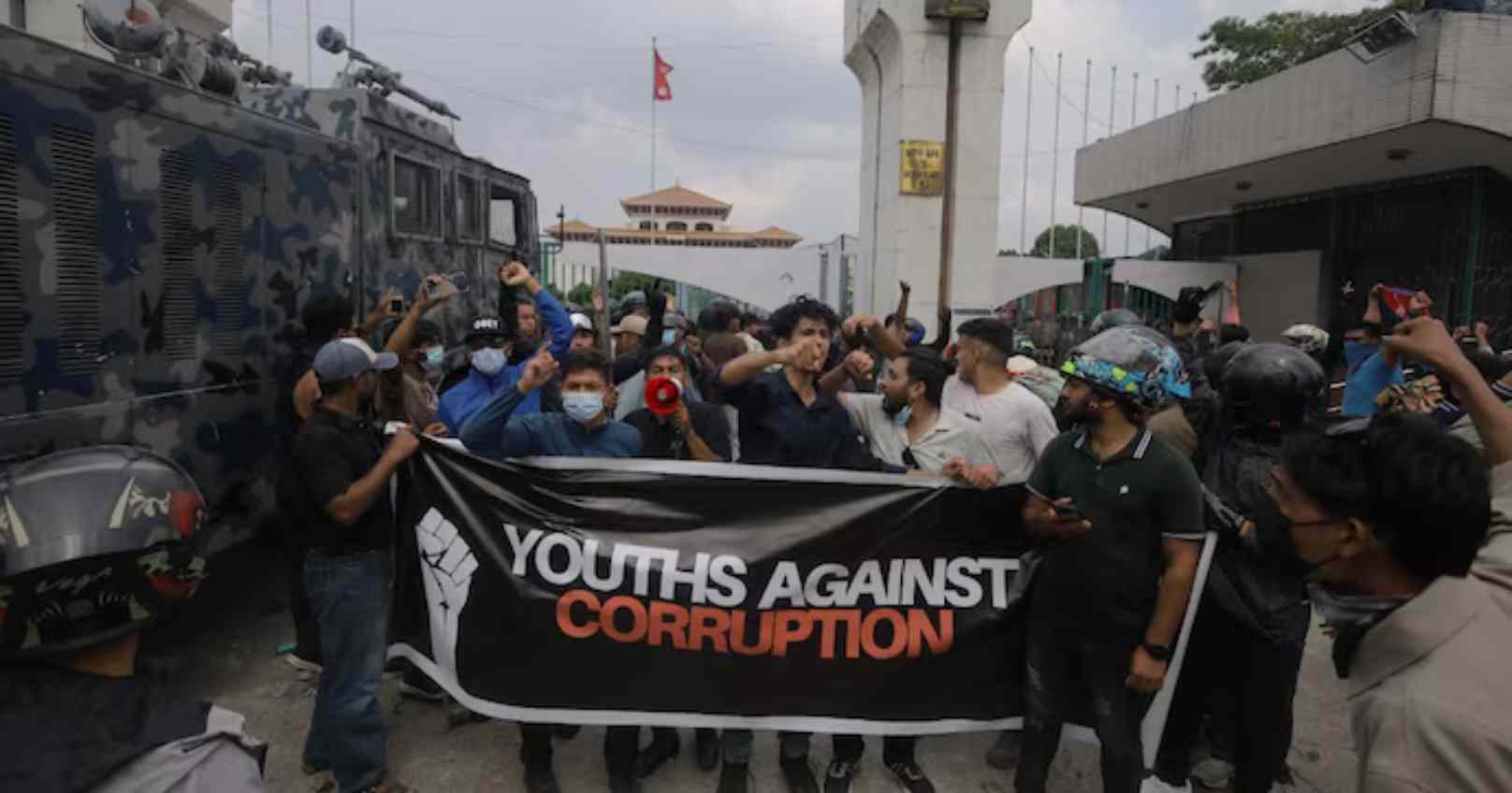
The Himalayan nation has been gripped by violent demonstrations since Monday, when Gen Z activists poured into the streets to protest corruption, nepotism, and the government’s now-reversed decision to block social media platforms.
The unrest quickly spiraled into chaos, leaving at least 22 dead. Protesters set fire to Parliament, the President’s Office, the Prime Minister’s residence, and several party headquarters. Homes of senior leaders were also attacked.
Foreign Minister Dr. Arzu Rana Deuba, wife of four-time premier Sher Bahadur Deuba, was assaulted after protesters stormed their Kathmandu residence. Acts of arson, vandalism, and destruction of public property have been widespread, as demonstrators refuse to back down even after the social media ban was lifted.
The protests, spearheaded by young Nepalis, reflect growing anger at alleged corruption and political mismanagement under Prime Minister KP Sharma Oli’s administration.
Bangladesh Student Uprising
India’s eastern neighbor, Bangladesh, experienced similar upheaval a year earlier. In July 2024, students in Dhaka began protests against a controversial quota in civil services that reserved jobs for families of the 1971 liberation fighters. Critics said the policy disproportionately benefited supporters of the ruling Awami League, led by Prime Minister Sheikh Hasina.
The demonstrations snowballed as opposition parties and hardline groups joined in, transforming the student agitation into a mass movement. Violence erupted, with arson, vandalism, and attacks on homes and public property.
The escalating crisis ultimately forced Hasina to resign and flee the country.
Regional Concerns for India
The parallels between the Bangladesh crisis and Nepal’s ongoing upheaval are striking—both movements began with youth-led protests against nepotism and corruption, both turned violent, and both resulted in the collapse of governments.
For India, these developments are of serious concern given the two countries’ strategic proximity and shared borders. The Supreme Court’s remarks underscored how India’s constitutional framework has provided stability even as neighboring nations face turmoil.