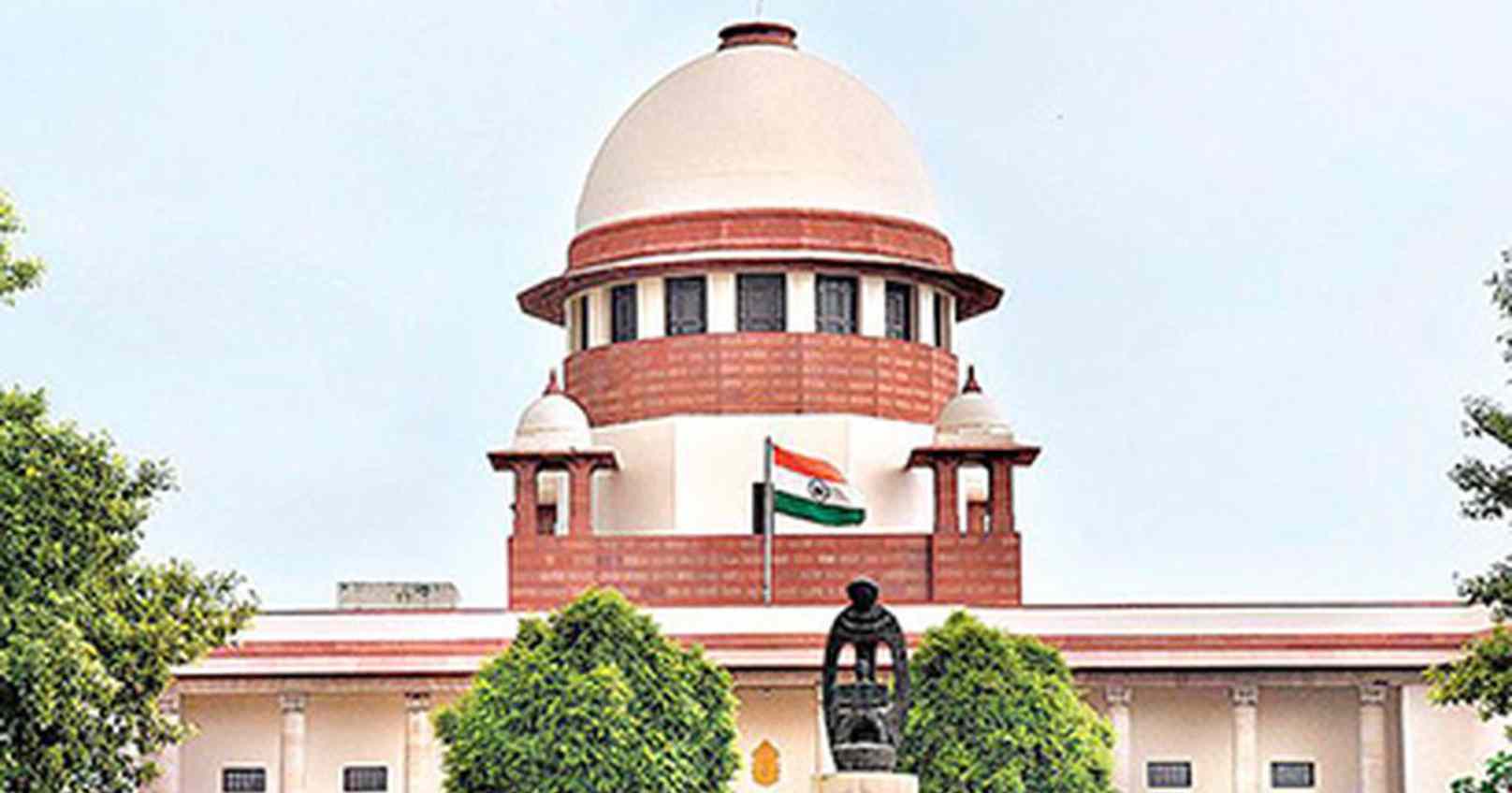
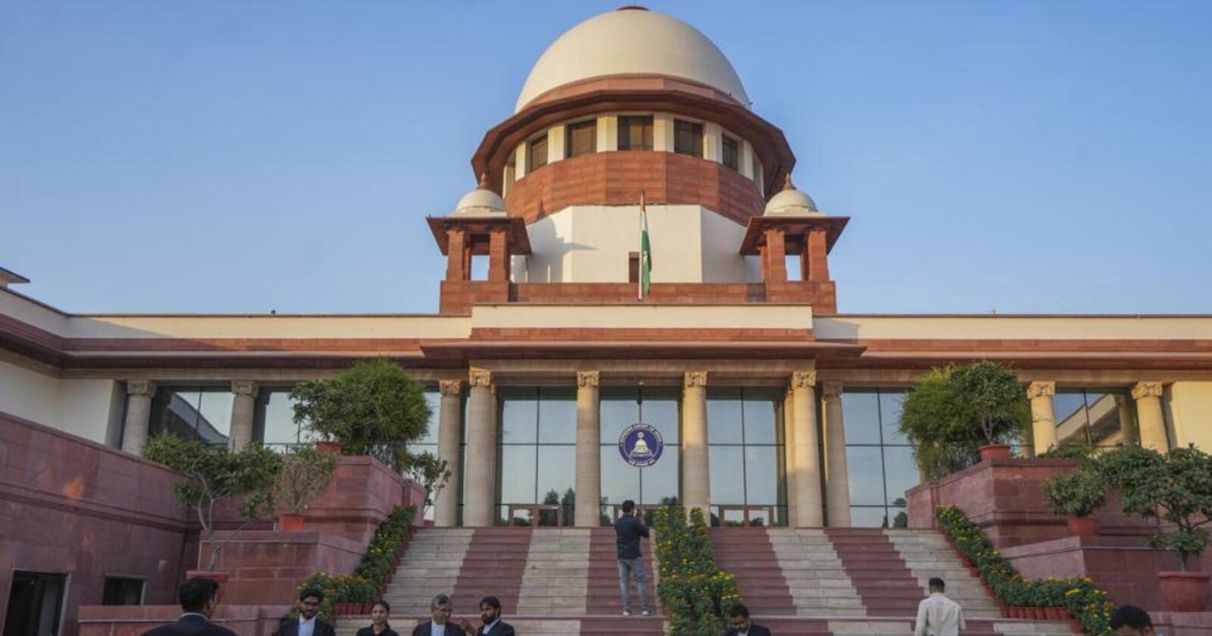
The Supreme Court’s observations today in the students’ protest case are far more than an interim judicial order. They represent a timely reminder that constitutional democracy cannot function on assumptions, competing narratives or executive assertions. By indicating the need for a fair and independent investigation into the allegations of injuries sustained by both students and police personnel—and by contemplating the constitution of a Special Investigation Team headed by a former Supreme Court Judge—the Court has reaffirmed a foundational constitutional principle: truth must be established through an impartial process, not predetermined conclusions.
The events surrounding the nationwide student protests have deeply polarized public discourse. In such an atmosphere, the judiciary’s role assumes even greater significance. Constitutional courts are not merely arbiters of legal disputes; they are guardians of civil liberties and institutional accountability. Today’s proceedings demonstrate the Court’s commitment to ensuring that neither the voice of the citizen nor the authority of the State escapes judicial scrutiny. That balanced approach alone can restore public confidence in democratic institutions.
Student movements have always occupied a special place in India’s democratic journey. From the freedom struggle to movements for social justice and institutional reform, young Indians have repeatedly acted as catalysts for change. Peaceful protest is protected under Articles 19(1)(a) and 19(1)(b) of the Constitution, subject only to reasonable restrictions. The constitutional response to dissent cannot be excessive force or indiscriminate criminalisation. Equally, every protest must remain peaceful, respecting the rights of others and the rule of law. Democracy demands responsibility from both the citizen and the State.
The Supreme Court’s emphasis on investigating injuries suffered by both students and police personnel is particularly significant. Justice cannot be selective. If students were subjected to disproportionate force, accountability must follow. If police officials were unlawfully attacked while performing their duties, the law must respond with equal firmness. Constitutional governance requires even-handedness, not selective outrage. The credibility of the justice system rests upon its ability to protect rights while enforcing responsibilities without fear or favour.
The present controversy should also become an opportunity for governments to rethink how they engage with India’s youth. Dialogue is always a more durable instrument of governance than confrontation. Universities must remain spaces where ideas compete freely, and governments must distinguish between peaceful democratic dissent and genuine threats to public order. Resorting prematurely to coercive measures risks alienating an entire generation that seeks participation, not suppression. A confident democracy does not fear questioning voices; it engages with them.
The Supreme Court’s intervention may ultimately become a defining moment in the constitutional history of democratic dissent in India. By insisting on an independent fact-finding process, the Court has strengthened public faith in the rule of law and reaffirmed its role as the sentinel on the qui vive. Whatever the final outcome of the case, one message is already clear: constitutional democracy flourishes when justice is impartial, institutions are accountable, and the rights guaranteed by the Constitution are protected without discrimination. In times of political contestation, that is the Republic’s greatest strength—and the Supreme Court has once again reminded the nation of it.
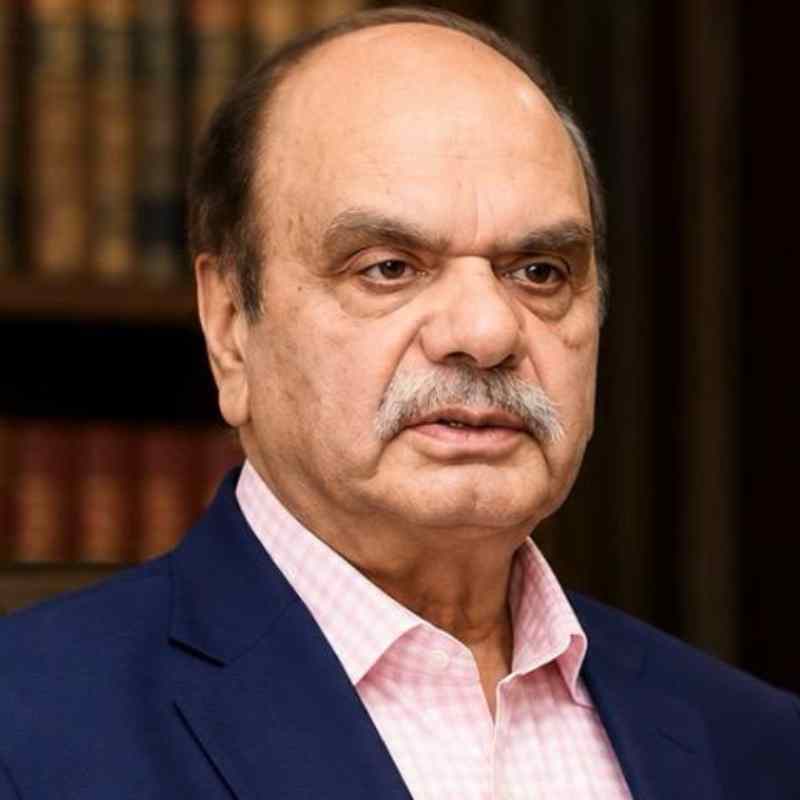
Author is a noted Senior Advocate in Supreme Court of India.