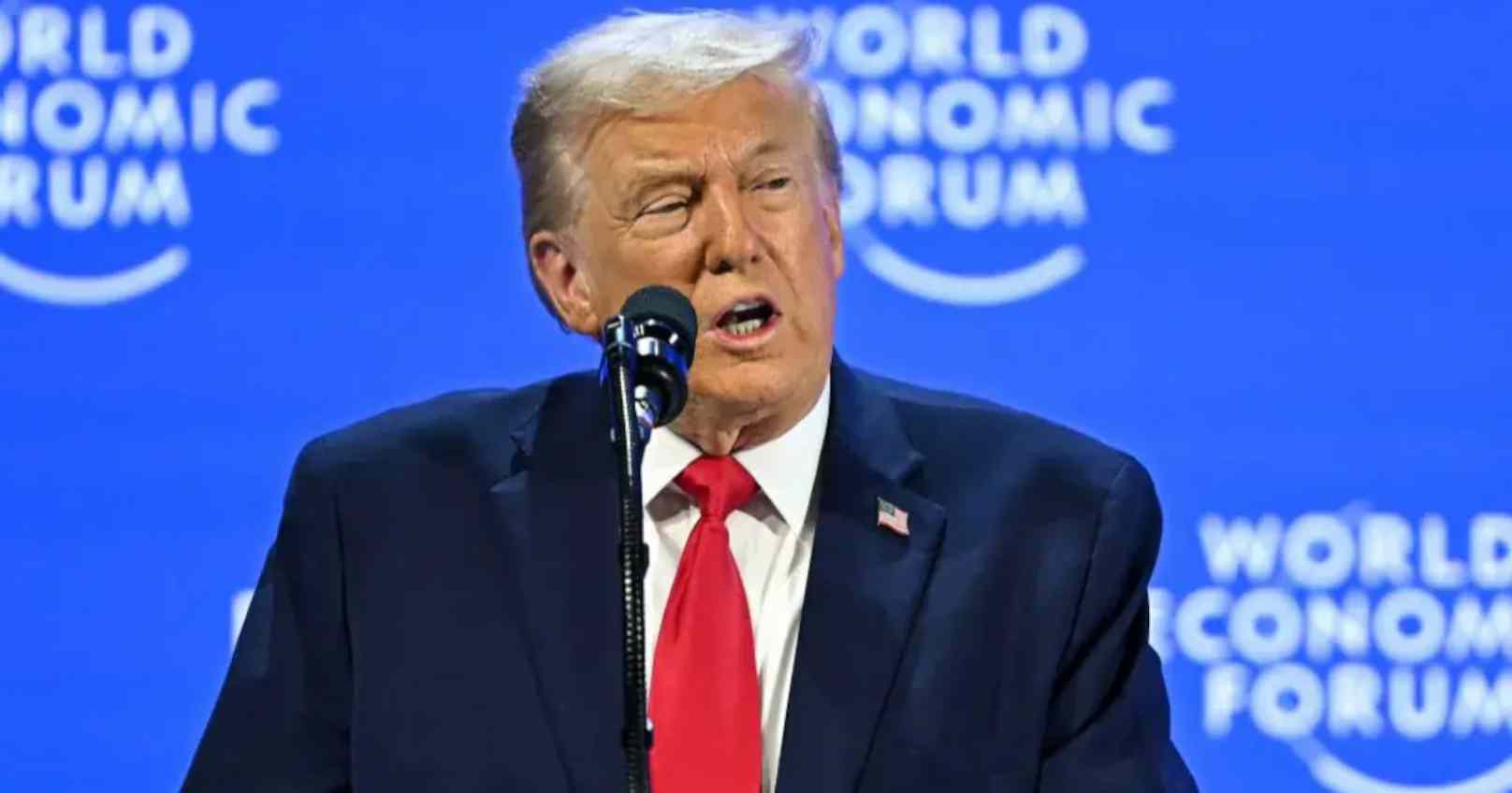
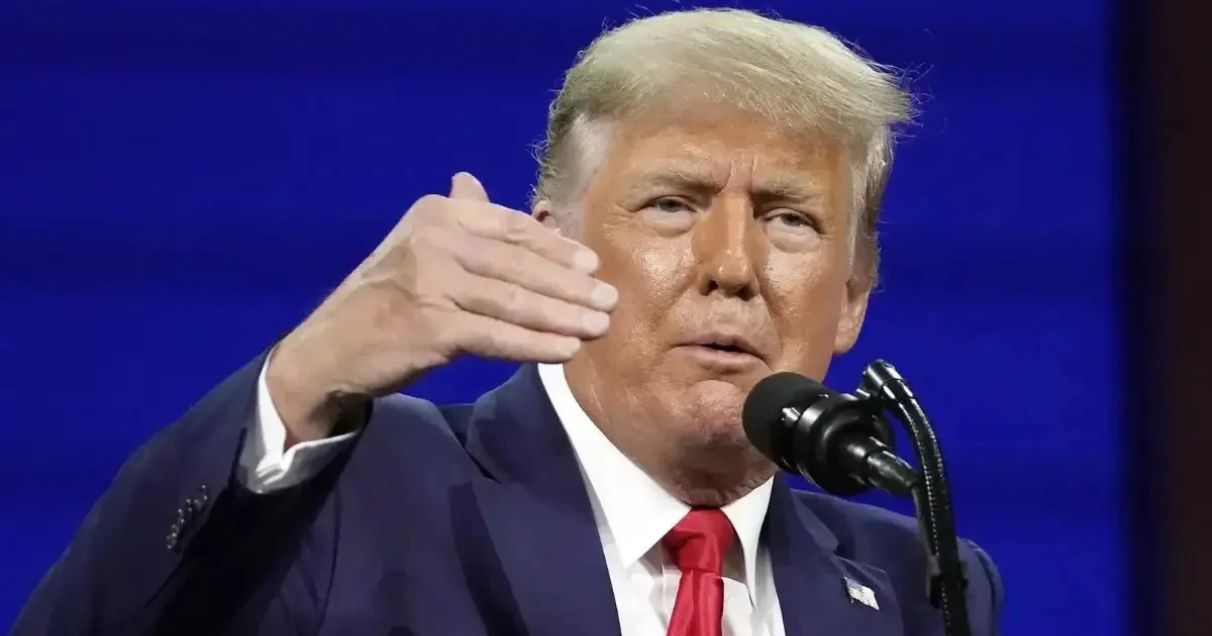
Speaking at the World Economic Forum in Davos, Switzerland, US President Donald Trump delivered a speech that lived up to global expectations of a renewed “America First” approach — with Greenland once again taking centre stage.
Trump referred to Greenland as belonging to the United States and said Washington wanted control of the Arctic territory, though he stressed that military action was not his preferred route. However, he coupled the assurance with a pointed remark, suggesting that rejection would not be forgotten.
Opening his address with characteristic sarcasm, Trump joked about joining “friends, business leaders and a few enemies” in Davos before praising what he described as America’s resurgence under his leadership. He then criticised Europe, asserting that the continent was moving in the wrong direction.
Turning to Greenland — a subject that has strained US–EU relations — Trump described it as a massive, strategically located ice-covered landmass. He argued that only the United States had the capability to protect it, calling past decisions to return Greenland to Denmark after World War II a historic mistake.
He reminded the audience that Denmark fell quickly during the war and said American forces stepped in to secure Greenland, establishing bases and bearing the costs to prevent enemy expansion in the Western Hemisphere. According to Trump, the US did so both to protect Denmark and safeguard its own security interests.
The remarks drew audible discomfort from parts of the audience when Trump claimed that without American intervention in World War II, Europe would have been speaking German — and possibly Japanese — today.
Trump portrayed Greenland as sparsely populated, underdeveloped and sitting at a critical crossroads between the US, Russia and China. He downplayed the island’s mineral resources, saying the real concern was security — national, continental and global.
Calling Greenland part of North America’s natural security perimeter, Trump announced his intention to begin immediate talks aimed at acquiring the territory. He argued that such a move would strengthen, not weaken, NATO.
Although he repeatedly said he had no intention of using force, Trump contradicted himself by suggesting that American power made resistance futile. Near the end of his lengthy speech, he delivered a clear warning: cooperation would be rewarded, but refusal would be remembered.
While markets reacted positively to his assurance that force was off the table, European leaders remained uneasy. Earlier, French President Emmanuel Macron warned that the European Union could activate its anti-coercion trade measures in response to US pressure tactics, calling the situation unprecedented but urging calm.
Trump’s remarks are expected to further strain transatlantic ties, especially after his recent tariff threats against countries opposing his Greenland ambitions.