India is keeping a close watch on Bangladesh’s national elections scheduled for Thursday, given the two countries share their longest land border and maintain deep economic, political and security links. This year’s polls come after a prolonged period of unrest in Bangladesh following the removal of former prime minister Sheikh Hasina and an 18-month interim administration led by Muhammad Yunus.
Relations between New Delhi and Dhaka have weakened significantly during this period, while China and Pakistan have expanded their presence in Bangladesh through diplomatic, economic and defence engagements.
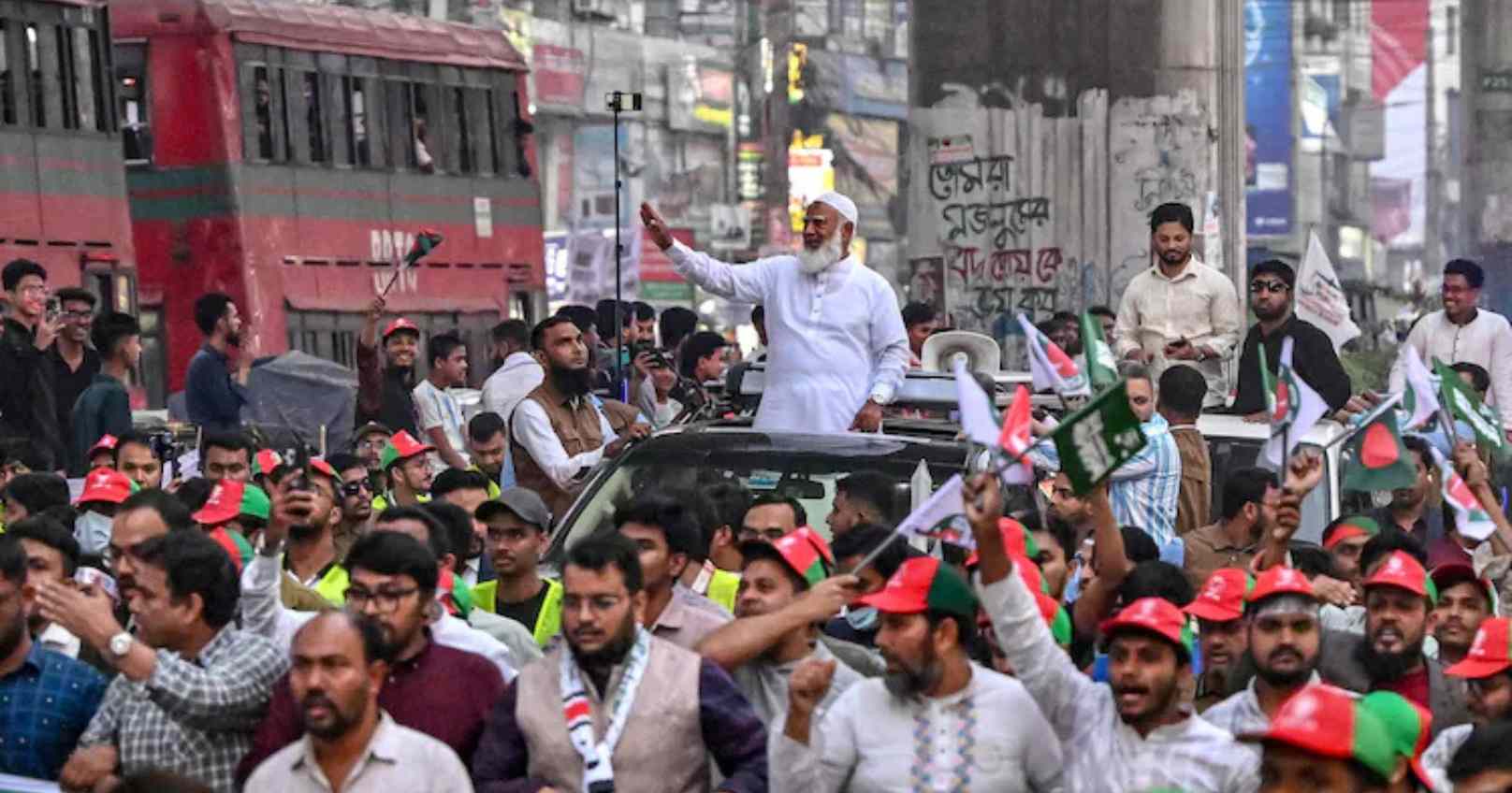
The electoral landscape has also undergone a major shift. The Awami League, previously led by Hasina and considered close to India, has been barred from contesting, and its familiar election symbol is absent from public campaign spaces. Instead, campaign material from the Bangladesh Nationalist Party (BNP), led by Tarique Rahman, and Jamaat-e-Islami is now prominent.
This marks the first election in nearly three decades where neither Sheikh Hasina nor Khaleda Zia appears on the ballot. With Khaleda Zia having passed away last year and Hasina currently in India, her son Tarique Rahman has assumed leadership of the BNP and is widely viewed as a leading contender for the prime minister’s post.
To form a government, a party or coalition must secure at least 151 of the 300 seats in the Jatiya Sangsad. An additional 50 seats reserved for women will be allocated proportionally based on results. The election outcome is expected on February 13, though delays are possible due to a simultaneous referendum on constitutional reforms introduced by the interim government.
Impact on India-Bangladesh relations:
Bangladesh remains a key partner for India in trade, transit and border security. During Hasina’s tenure, cooperation between the two countries included joint efforts to curb cross-border insurgent activity. However, ties weakened during earlier BNP-led administrations and have again deteriorated over the past year.
Trade and travel restrictions imposed by both sides have affected exports, visa services and movement across borders. India has scaled back certain transit arrangements, while Bangladesh has limited land-based imports of Indian goods.
Meanwhile, Bangladesh has strengthened engagement with China through infrastructure, port development, water management and defence projects. Pakistan has also revived diplomatic and military ties with Dhaka, including new transport links and discussions on defence cooperation.
Political outreach and regional implications:
India has recently begun engaging with multiple political stakeholders in Bangladesh. External Affairs Minister S. Jaishankar attended Khaleda Zia’s funeral in Dhaka and met Tarique Rahman. Reports also indicate renewed communication between Indian officials and Jamaat-e-Islami, which has softened its public stance on relations with India in its election manifesto.
The election outcome is expected to influence the direction of India-Bangladesh ties, particularly on trade, border management, diplomacy and regional security. The issue of Sheikh Hasina’s extradition request remains an unresolved point between the two governments.
Political analysts say a decisive election result could help stabilise Bangladesh after months of unrest that have affected governance and key industries, including the garment sector.