Even as authorities tighten travel controls and foreign governments raise red flags, a steady stream of Pakistani nationals continues to head abroad with the sole purpose of begging. Recent disclosures show that Saudi Arabia alone has sent back nearly 56,000 Pakistanis for involvement in begging-related activities.
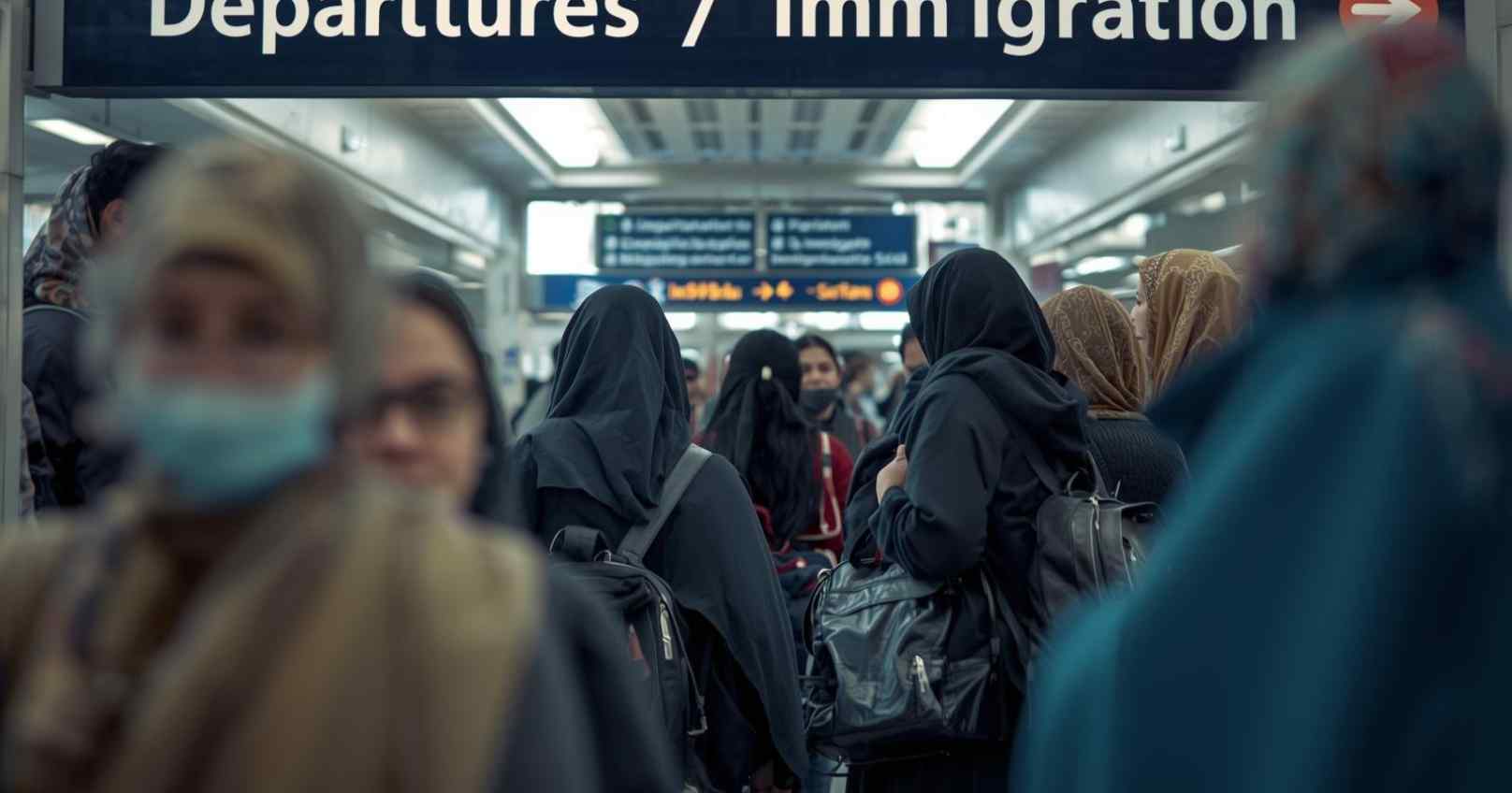
At the same time, Pakistan’s Federal Investigation Agency (FIA) has stepped up its own checks. In 2025, more than 66,000 passengers were stopped at airports and prevented from leaving the country as part of a crackdown on organised begging syndicates and illegal migration networks.
The issue has also begun to affect diplomatic and travel ties. Just last month, the United Arab Emirates sharply restricted visa issuance for most Pakistani citizens, citing concerns over criminal behaviour and begging by visitors from Pakistan.
These figures surfaced during discussions in Pakistan’s National Assembly, months after the government placed thousands of individuals on the Exit Control List (ECL) to stop them from travelling abroad. Earlier, Saudi authorities had formally urged Islamabad to prevent the misuse of Umrah visas, which were allegedly being exploited to access Mecca and Medina for begging.
For years, the misuse of tourist and pilgrimage visas has been a growing concern—not only for foreign host nations but also for genuine Pakistani travellers. Workers, students and pilgrims now face tougher scrutiny due to the actions of a small but organised group.
FIA Director Riffat Mukhtar confirmed that tens of thousands of Pakistanis linked to structured begging operations were deported from Saudi Arabia. He also noted that airport offloading had increased significantly this year to block such groups before they could leave the country.
A Growing Image Problem
Officials warn that these activities are damaging Pakistan’s reputation globally. According to the FIA, organised begging and illegal migration are among the key reasons Pakistanis face growing mistrust abroad.
In West Asia, cities have seen a noticeable rise in Pakistani beggars operating near religious sites, shopping areas and public spaces. Host countries have responded with warnings, tighter visa regimes and, in some cases, mass deportations—measures that also affect law-abiding Pakistanis.
Saudi Arabia’s religious authorities cautioned in 2024 that failure to control the problem could impact legitimate Umrah and Hajj pilgrims from Pakistan. Social media posts from pilgrims have echoed these concerns, with many expressing embarrassment over encountering Pakistani beggars even within sacred spaces.
Experts say many of these individuals function as professional operators rather than desperate migrants. Legal analyst Rafia Zakaria previously noted that such beggars deliberately target pilgrims near holy sites, using emotional pressure and religious guilt to extract money.
The problem extends beyond Saudi Arabia. Pakistani beggars have been reported in several West Asian countries, including the UAE, Kuwait, Bahrain and Azerbaijan. In 2024, Pakistan’s Secretary for Overseas Affairs stated that a vast majority of beggars detained in the region were Pakistani nationals.
Ultimately, the fallout is being felt most by ordinary citizens. As countries grow wary, visa approvals have become harder to secure, affecting employment opportunities, education prospects and religious travel for millions of Pakistanis who have no connection to these illegal activities.