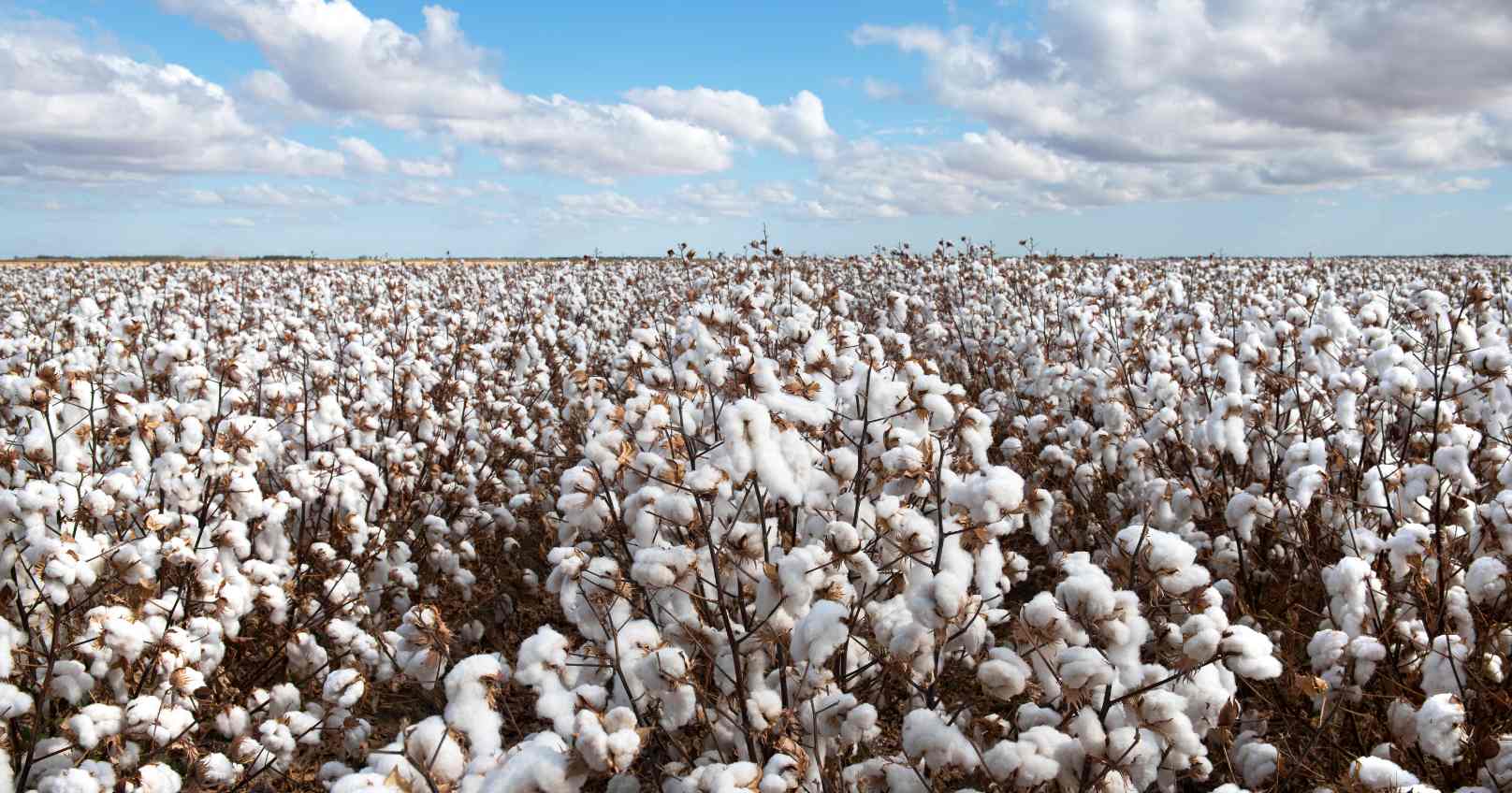
Brazil has overtaken India to become Bangladesh’s leading supplier of raw cotton, marking a major shift in one of the world’s most influential textile ecosystems. Bangladesh — the globe’s second-largest exporter of ready-made garments after China — has diversified its sourcing in the months following the political upheaval that removed former Prime Minister Sheikh Hasina from power.
This change in trade patterns was highlighted in a recent report by the US Department of Agriculture (USDA), which also referenced the country’s turbulent regime transition.
Despite losing its long-held leadership in raw cotton, India continues to dominate Bangladesh’s cotton yarn purchases, supplying an overwhelming 82% in the 2024–25 marketing year.
Bangladesh’s garment-driven economy
The textile and apparel industry remains the backbone of Bangladesh’s economy, generating more than 80% of its export revenue and contributing close to 10% to GDP. The sector employs around 4 million workers, according to a July 2025 Reuters assessment.
Brazil emerges as top supplier
Bangladesh imported an all-time high of 8.28 million bales of cotton in the 2024–25 season (August 2024–July 2025).
Breaking down the shipments:
-
Brazil supplied 1.9 million bales, seizing 25% of the market.
-
India shipped 1.4 million bales, slipping to 15%.
Just a year earlier, India had led the supplier list with 1.79 million bales and a 23% share.
Other contributors — including the United States (7%), Australia, and several West African producers — remained far behind Brazil’s increasingly dominant presence.
The USDA noted that total cotton imports this year stand 5.2% higher than the 7.8 million bales purchased in 2023–24, driven by continued expansion of Bangladesh’s spinning operations.
Why importers once preferred Indian cotton
According to The Daily Star, Bangladeshi mills historically relied on Indian shipments because deliveries via Kolkata–Benapole were quicker, even when Indian fibre cost more and carried occasional quality complaints.
Forecast for 2025–26
Cotton imports are projected to inch up 1.4% in the next marketing year (2025–26), with expectations that Bangladesh will buy around 8.4 million bales to meet rising demand from yarn manufacturers. The USDA estimates this figure to be 5.2% above MY24 levels.
Political disruption and its impact
The USDA report also underscored the political crisis that unfolded at the start of the 2024–25 marketing year.
On August 5, former Prime Minister Sheikh Hasina departed Dhaka in a military helicopter as massive anti-government demonstrations surged toward her official residence. She has remained in India since then.
Official records place the death toll from the July–August unrest at roughly 1,400 people.
Despite the initial shock to production during the formation of the interim government, the USDA found that cotton inflows and RMG manufacturing stabilised quickly, preventing major disruptions to export commitments.
India still rules the yarn and fabric market
While Brazil has taken the lead in raw fibre, India remains entrenched in Bangladesh’s yarn supply chain.
As of July 2025:
This dominance is supported by India’s robust spinning infrastructure, low logistics expenses, and short delivery timelines — advantages that continue to outweigh competition in the yarn segment.