A flurry of high-level meetings in New Delhi has ignited widespread speculation that the Centre may be preparing to restore statehood to Jammu and Kashmir. The timing of these discussions — just days ahead of the August 5 anniversary of the abrogation of Article 370 — has only fueled further chatter, both among political observers and across social media platforms.
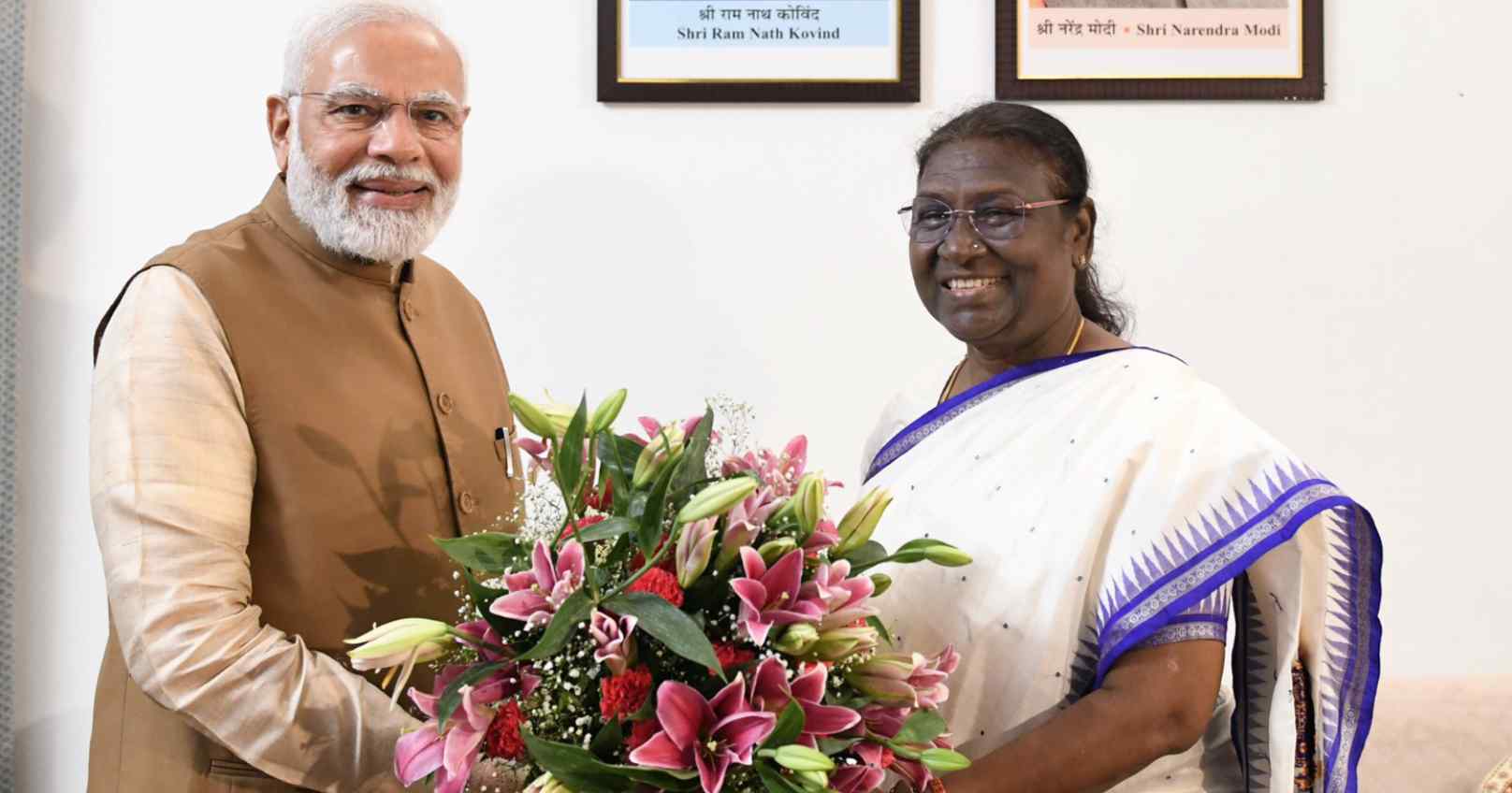
In the past week, President Droupadi Murmu met separately with both Prime Minister Narendra Modi and Home Minister Amit Shah. While such meetings are not uncommon, what raised eyebrows was the absence of any official statement or press release following them — a departure from standard protocol.
Adding to the intrigue, Shah has held closed-door talks with key stakeholders from the region. These include J&K BJP chief Sat Sharma, Ladakh Lieutenant Governor Kavinder Gupta, and All J&K Shia Association president Imran Raza Ansari. While no official details have been shared, insiders suggest that ground-level developments in the Union Territory were discussed.
Online Buzz and Political Reactions
The back-to-back meetings have set off a wave of speculation online, with some users predicting a major announcement related to statehood. Retired Army officer K.J.S. Dhillon, known for his insight into Kashmir affairs, cautioned against rushing into any decisions, emphasizing the fragile peace in the region.
Geopolitical commentator Arti Tikoo Singh expressed concern over rumors that Jammu and Kashmir might be carved into two separate states. “If true, that would be deeply destabilizing,” she warned.
Other voices on social media echoed similar sentiments, questioning both the timing and intent of such a move.
Past Assurances and Pending Demand
J&K has been under Union government control since August 2019, when Article 370 was revoked and the state was reorganized into two Union Territories — Jammu & Kashmir and Ladakh — under the J&K Reorganisation Act. While both PM Modi and Home Minister Shah have previously committed to restoring statehood “at an appropriate time,” no clear timeline has been given.
The Supreme Court, in a landmark judgment in December 2023, upheld the 2019 reorganisation but also instructed the Centre to reinstate statehood “as soon as possible.” Despite that directive, formal steps are yet to be taken.
Elections and the Possibility of Fresh Polls
The recent 2024 elections in J&K — the first in over a decade — brought the issue back into the spotlight, with newly elected leaders, including Omar Abdullah and his Congress allies, stepping up their demand for full statehood.
However, if statehood is restored, some believe fresh Assembly elections may be required. Omar Abdullah addressed this possibility earlier, saying he wouldn’t oppose re-elections if they follow the grant of statehood. “If they dissolve the Assembly and call for fresh polls, so be it,” he stated.
Political Implications
The Centre’s silence amid rising anticipation has only deepened the curiosity around whether a significant policy shift is in the works. As August 5 approaches — marking six years since Article 370’s repeal — all eyes remain on New Delhi for possible developments that could reshape the region’s political future.