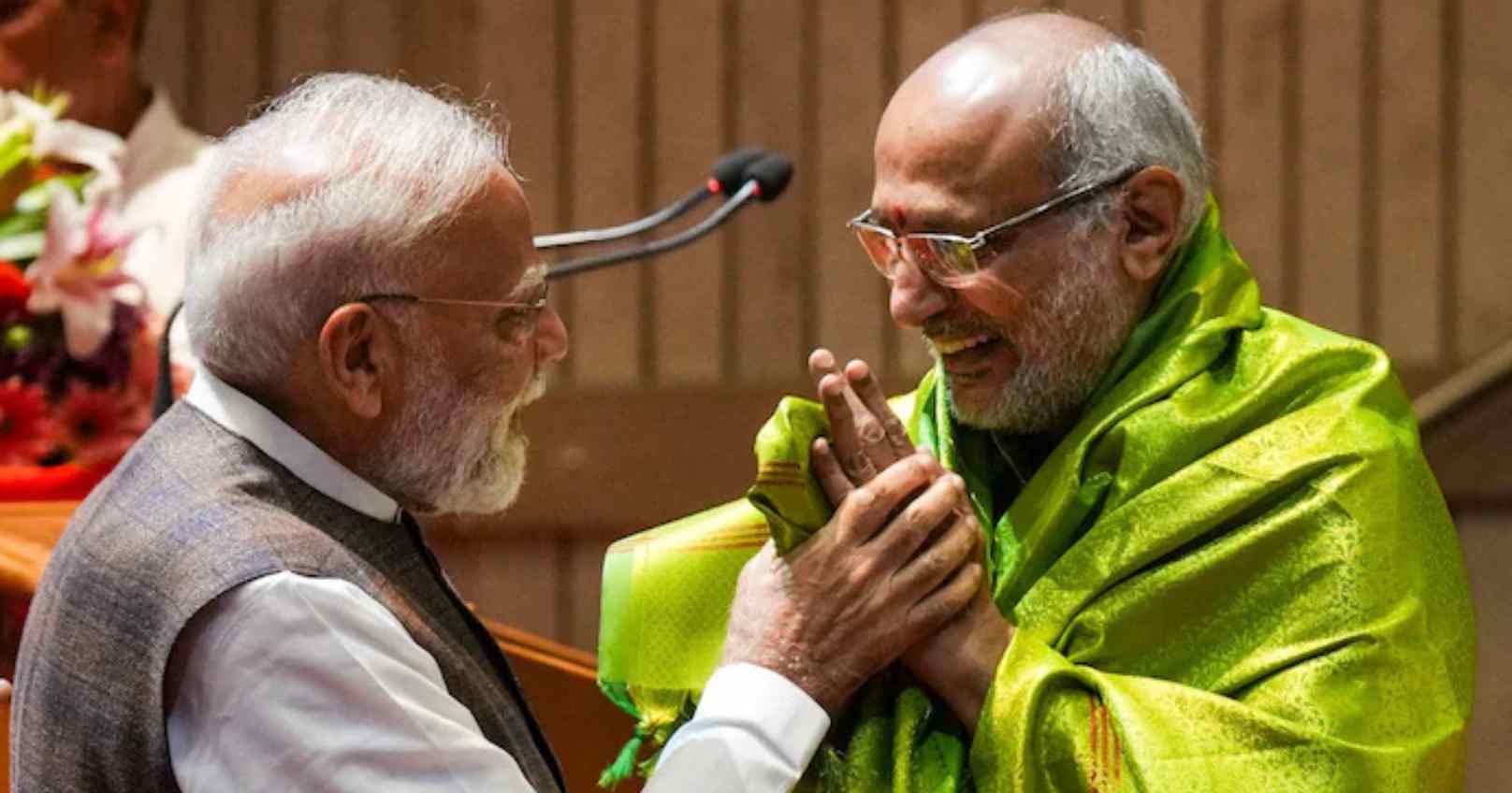
The Vice Presidential election held on Tuesday delivered a clear win for the National Democratic Alliance (NDA) candidate CP Radhakrishnan, though the result was marred by claims of cross-voting and invalid ballots.
Radhakrishnan secured 452 votes, defeating the opposition’s INDIA bloc nominee B Sudhershan Reddy by a margin of 152 votes. Out of 781 MPs eligible to vote, 767 cast their ballots, and 752 were found valid.
While opposition leaders initially asserted that all 315 INDIA bloc MPs had voted, the final tally suggested otherwise. Reddy managed only 300 votes, triggering speculation that around 15 opposition lawmakers either voted for the NDA or intentionally spoiled their ballots.
Disputed Numbers
Congress leader Jairam Ramesh described the opposition’s 40% vote share as a “moral victory,” stressing that it represented an improvement of nearly 14 percentage points compared to the 2022 election, when NDA’s Jagdeep Dhankhar defeated Margaret Alva.
The BJP, however, dismissed this claim. Its IT Cell head Amit Malviya posted on X: “All 315 voted—but for whom? Despite their boasts, the INDIA bloc candidate ended up with just 300 votes, 15 short of the claimed strength.”
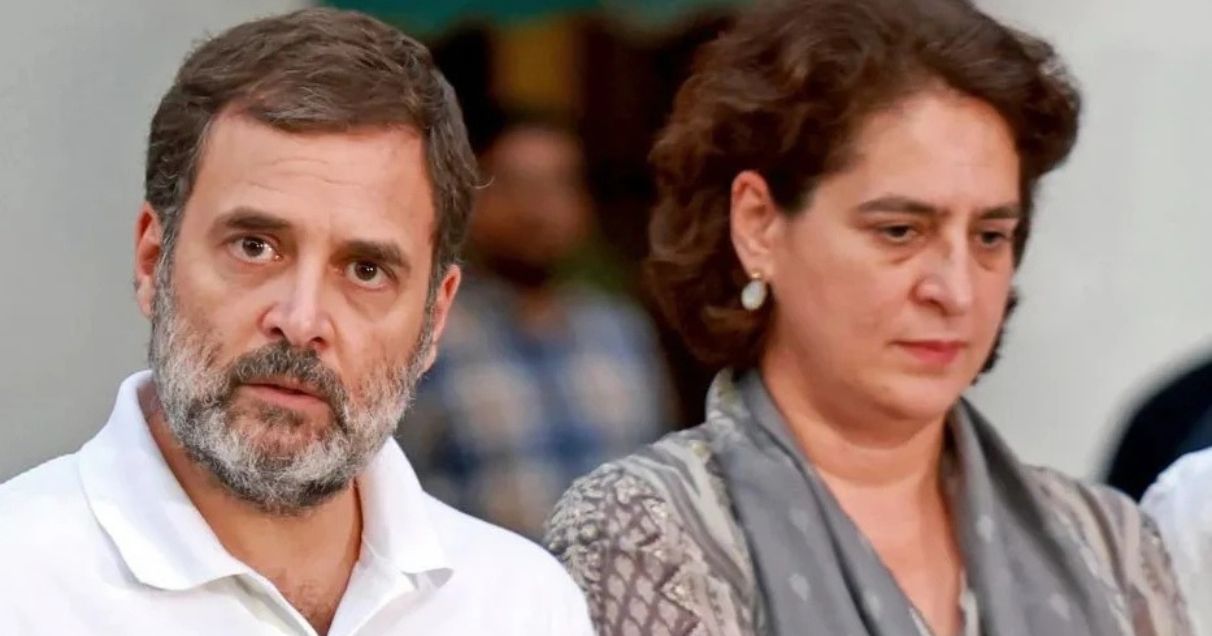
BJP MP Sanjay Jaiswal alleged that 14 opposition MPs supported the NDA, while another 15 cast invalid votes, remarking that “Rahul Gandhi’s inner voice did not help the opposition—it ended up helping the NDA instead.”
Shiv Sena MP Naresh Mahaske also claimed that some opposition lawmakers from Maharashtra had broken ranks.
Congress MP Nasir Hussain countered by noting that of the invalid ballots, 12 came from the opposition camp and 3 from the NDA, which, if true, could raise the INDIA bloc’s cross-vote tally to as many as 17 MPs.
Significance of the Poll
The election saw a near-complete turnout, with only those parties that had announced boycotts staying away. Both alliances ensured strong participation, with MPs lining up in an orderly manner to cast their votes.
With Radhakrishnan’s victory, the NDA now firmly controls the vice presidency, the second-highest constitutional position after the presidency, reinforcing its influence at the top of India’s political hierarchy.