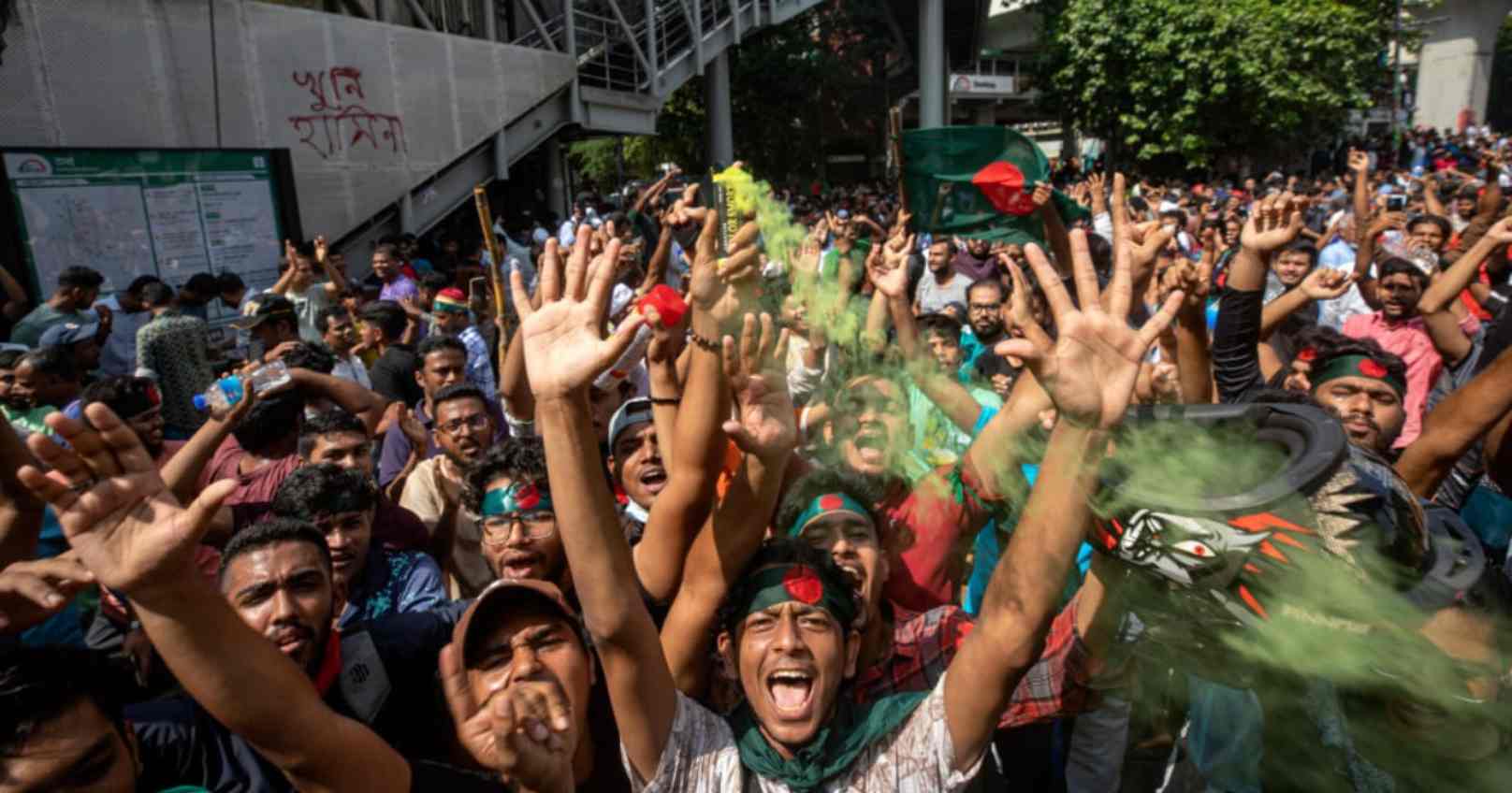
A violent incident in Bangladesh’s capital has cast a long shadow over the country’s already tense political climate, coming just a day after authorities announced the schedule for the next parliamentary elections. In a shocking daylight assault in Dhaka, gunmen riding motorcycles opened fire on Sharif Osman Hadi, a controversial political activist known for his hardline opposition to former prime minister Sheikh Hasina and his outspoken anti-India views.
Hadi, who serves as spokesperson of the Inqilab Manch and is contesting the Dhaka-8 seat as an independent candidate, suffered a gunshot wound to the head and was left critically injured. He slipped into a coma and was later flown to Singapore by air ambulance for advanced medical treatment.
The attack has triggered a wave of political and diplomatic reactions. Bangladesh’s interim administration, led by Muhammad Yunus, has urged Indian authorities to detain and hand over the assailants if they are found on Indian soil. However, Dhaka police have clarified that there is currently no confirmed evidence proving the shooters fled the country.
The Dhaka Metropolitan Police said multiple investigative units, including the Detective Branch, are pursuing several leads. Senior officers stated that, so far, no verified information suggests the suspects crossed into India. This position contrasts with claims circulating on social media, particularly a post by a Qatar-based journalist who alleged that two attackers entered India through the Haluaghat border and were later spotted in Guwahati, Assam.
The social media claims named one alleged shooter as a former leader of the Chhatra League, the student wing of Sheikh Hasina’s Awami League, which has since been banned by the interim government under anti-terror laws. The post also alleged that the suspects were using Indian phone numbers and sharing photographs from within India. These assertions, however, have not been independently verified by law enforcement agencies.
Amid growing speculation, Bangladesh’s foreign ministry summoned the Indian High Commissioner in Dhaka, seeking cooperation in apprehending the attackers if they were indeed present in India. During the meeting, Bangladeshi officials also raised objections to statements made by Sheikh Hasina from abroad, accusing her of inciting unrest ahead of the elections.
India firmly rejected these allegations, reiterating that its territory has not been used for activities hostile to Bangladesh. New Delhi also emphasized that maintaining internal security and ensuring peaceful elections remain the responsibility of Bangladesh’s interim administration.
The shooting has intensified concerns over safety and stability as Bangladesh moves toward national polls expected in early 2026. The country has seen a surge in politically linked violence in recent months, including targeted killings and crude bomb attacks in Dhaka and other cities. Even senior opposition figures remain abroad, citing security risks, while key institutions have come under attack.
Political observers argue that the attempted killing of a prominent figure at such a sensitive moment sends a chilling message. Analysts note that violence during the run-up to elections has historically escalated in Bangladesh, but the current situation has raised fresh doubts about the state’s ability to guarantee a fair and secure democratic process.
Sharif Osman Hadi, the man at the centre of the attack, has built a following through his aggressive rhetoric against the Awami League, India, and what he describes as entrenched political elites. His statements and actions have often stirred controversy, including reports that he circulated provocative political material envisioning territorial changes in the region.
As Hadi fights for survival overseas, the attack has become symbolic of Bangladesh’s fragile transition period. With elections approaching and political tensions mounting, the incident has underscored deep anxieties about law and order, accountability, and the prospects for a peaceful return to electoral normalcy.