The European Parliament has chosen to put the ratification of a crucial trade arrangement with the United States on hold, reacting to tariff threats issued by US President Donald Trump over Greenland. The move reflects rising unease within the European Union as it considers how firmly to respond if Washington escalates pressure on its traditional allies.
Lawmakers had been preparing to vote in the coming weeks on a proposal to eliminate duties on American industrial products under the deal. By postponing the vote, the parliament has not scrapped the agreement, which was finalised in July after prolonged negotiations marked by the US imposing 15 per cent tariffs on European exports. However, the delay is widely seen as a political signal of dissatisfaction aimed at the White House.
EU parliamentarians argue that withholding approval sends a clear warning that could unsettle US companies dependent on access to the European market. Valerie Hayer, who heads the centrist Renew Europe group, said the bloc holds significant leverage, noting that few American firms would willingly risk losing business opportunities in Europe.
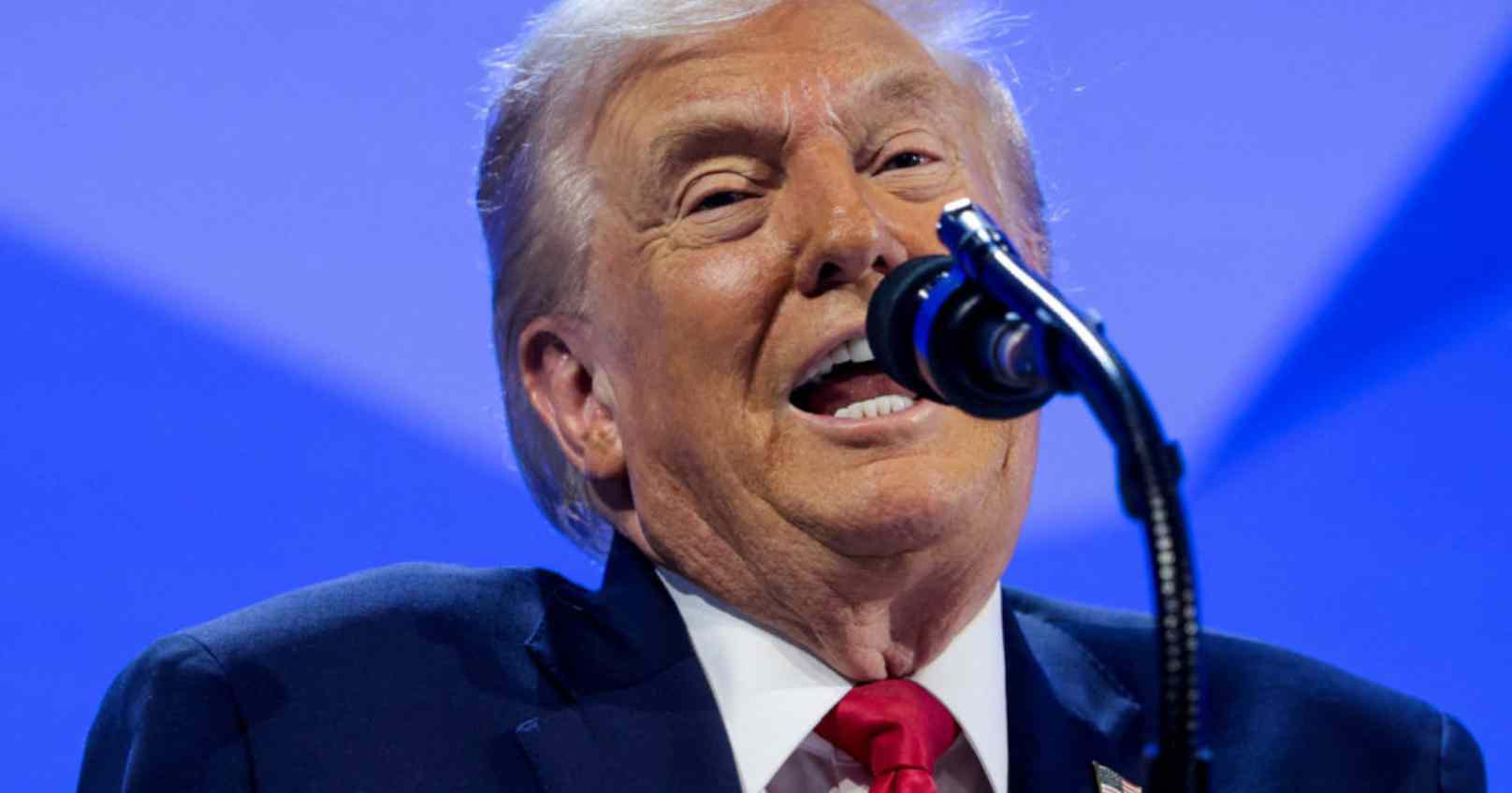
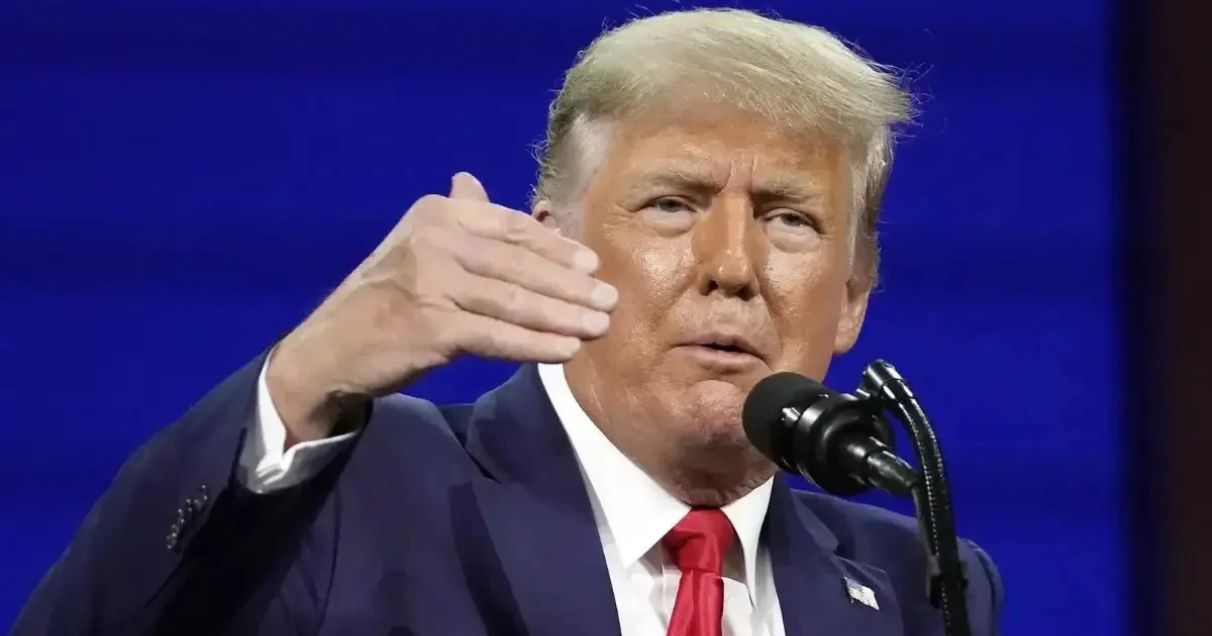
Trump has threatened to impose trade penalties on six EU member states, including major economies such as France and Germany, for refusing to support his stance on Greenland. The issue has prompted the EU to reassess its options if the US president carries out his warning.
European leaders are expected to convene an emergency meeting in Brussels to discuss the situation surrounding Denmark’s autonomous territory. Among the countermeasures under consideration are freezing last year’s trade deal and activating a previously approved list of retaliatory tariffs worth up to €93 billion.
That retaliation package, prepared during last year’s peak in EU-US trade tensions, was temporarily shelved to prevent a full-scale trade conflict. Meanwhile, French President Emmanuel Macron has been urging the bloc to consider deploying its powerful anti-coercion trade mechanism should US pressure intensify.