Germany has announced a major relaxation in travel rules for Indian citizens by allowing visa-free transit through its international airports. The decision is expected to significantly reduce paperwork and waiting time for Indian travellers who use Germany as a stopover while flying to other destinations.
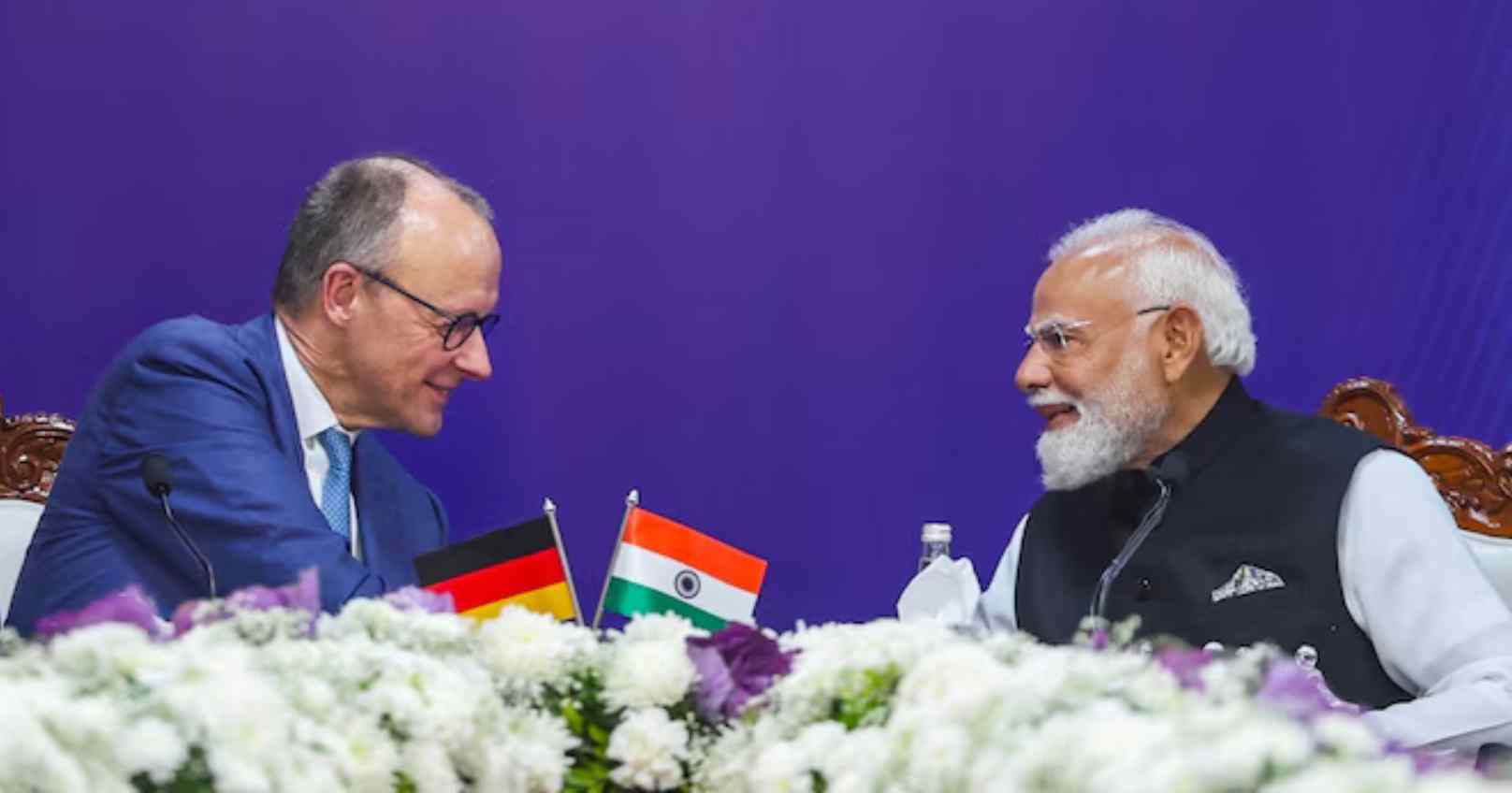
The policy shift was revealed in the joint declaration issued after German Chancellor Friedrich Merz’s official visit to India on January 12–13. The trip marked Merz’s first visit to India and his maiden tour of Asia since assuming office as Germany’s Federal Chancellor.
Under the new arrangement, Indian passport holders will no longer be required to obtain a separate transit visa when changing flights at German airports, making international connections smoother and more efficient.
Prime Minister Narendra Modi welcomed the announcement and expressed appreciation for Germany’s step to ease mobility for Indian nationals. According to the joint statement, the move is expected to strengthen direct engagement between people of both countries and reinforce the human dimension of the India-Germany Strategic Partnership.
Both leaders underlined that personal exchanges remain a core pillar of bilateral ties. They highlighted the growing flow of students, researchers, professionals, artists and tourists between the two nations, while acknowledging the significant role played by the Indian community in Germany’s economic growth, innovation ecosystem and cultural landscape.
Discussions also focused heavily on education and skills cooperation. The two sides noted a steady rise in the number of Indian students enrolling in German institutions, along with expanding joint research projects and dual-degree programmes.
To further deepen collaboration, India and Germany agreed to work towards an Indo-German Comprehensive Roadmap on Higher Education. Prime Minister Modi also invited prominent German universities to establish campuses in India under the framework of the National Education Policy, signalling a push for stronger academic and institutional partnerships.