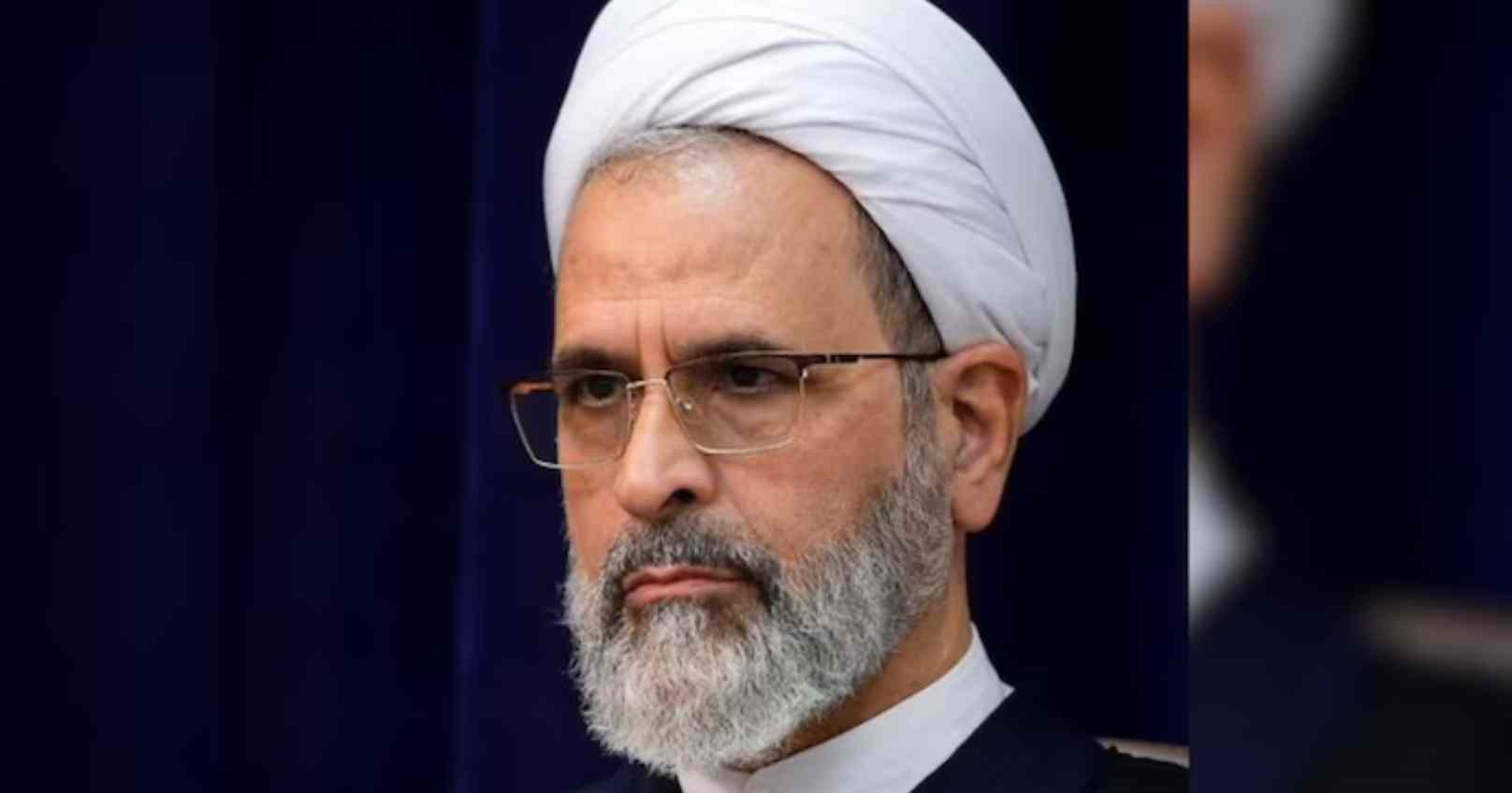
Alireza Arafi, a senior Iranian cleric, has been appointed to serve in the country’s interim leadership structure after the death of Supreme Leader Ali Khamenei, according to reports from state-linked media.
Iran triggered the constitutional emergency provision under Article 111 following Khamenei’s assassination, setting up a temporary governing council to exercise the powers of the Supreme Leader until a permanent successor is selected.
Under this arrangement, Arafi will share authority with Masoud Pezeshkian, the President of Iran, and Gholam‑Hossein Mohseni‑Eje’i, the country’s Chief Justice. Together, the three leaders will manage state affairs during the transition period.
As the only religious scholar among the three, Arafi is expected to hold significant influence within the interim leadership framework, particularly given Iran’s tradition of being guided by a clerical Supreme Leader.
Born in 1959, Arafi has long been a prominent figure in Iran’s religious establishment. He currently oversees the country’s network of Islamic seminaries and is also a clerical member of the powerful Guardian Council. In addition, he serves on the Assembly of Experts, the body responsible for appointing and supervising the Supreme Leader.
Meanwhile, changes have also been announced within Iran’s powerful military establishment. Following the death of Mohammad Pakpour in recent strikes, Ahmad Vahidi has been named the new commander of the Islamic Revolutionary Guard Corps (IRGC), according to Iranian state media.
The IRGC is one of Iran’s most influential institutions, wielding considerable military, political and economic power while operating alongside the country’s regular armed forces.
Khamenei, who had led Iran since 1989, was killed in a large-scale military operation carried out by the United States and Israel targeting strategic sites in Tehran. The strikes reportedly hit military installations and government facilities connected to top Iranian leadership.
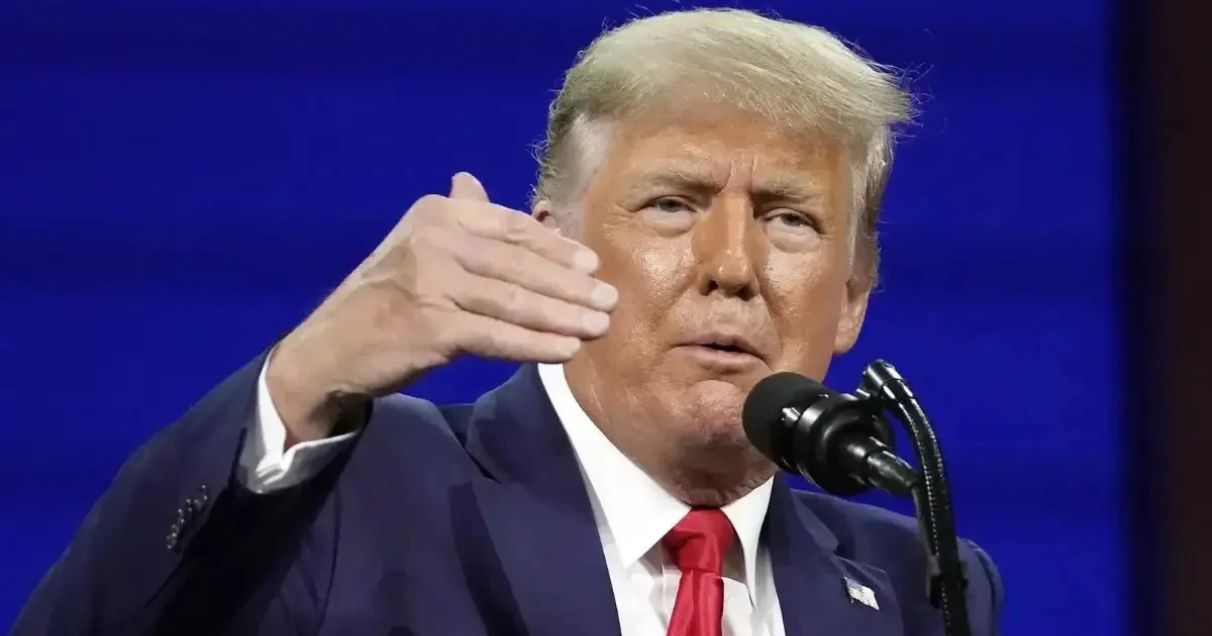
Donald Trump and Benjamin Netanyahu were among the first world leaders to publicly confirm Khamenei’s death. Tehran initially denied the reports before officially acknowledging the killing the following day.
Iran now faces a complex situation as it deals simultaneously with military confrontation abroad and a rare leadership transition at home.