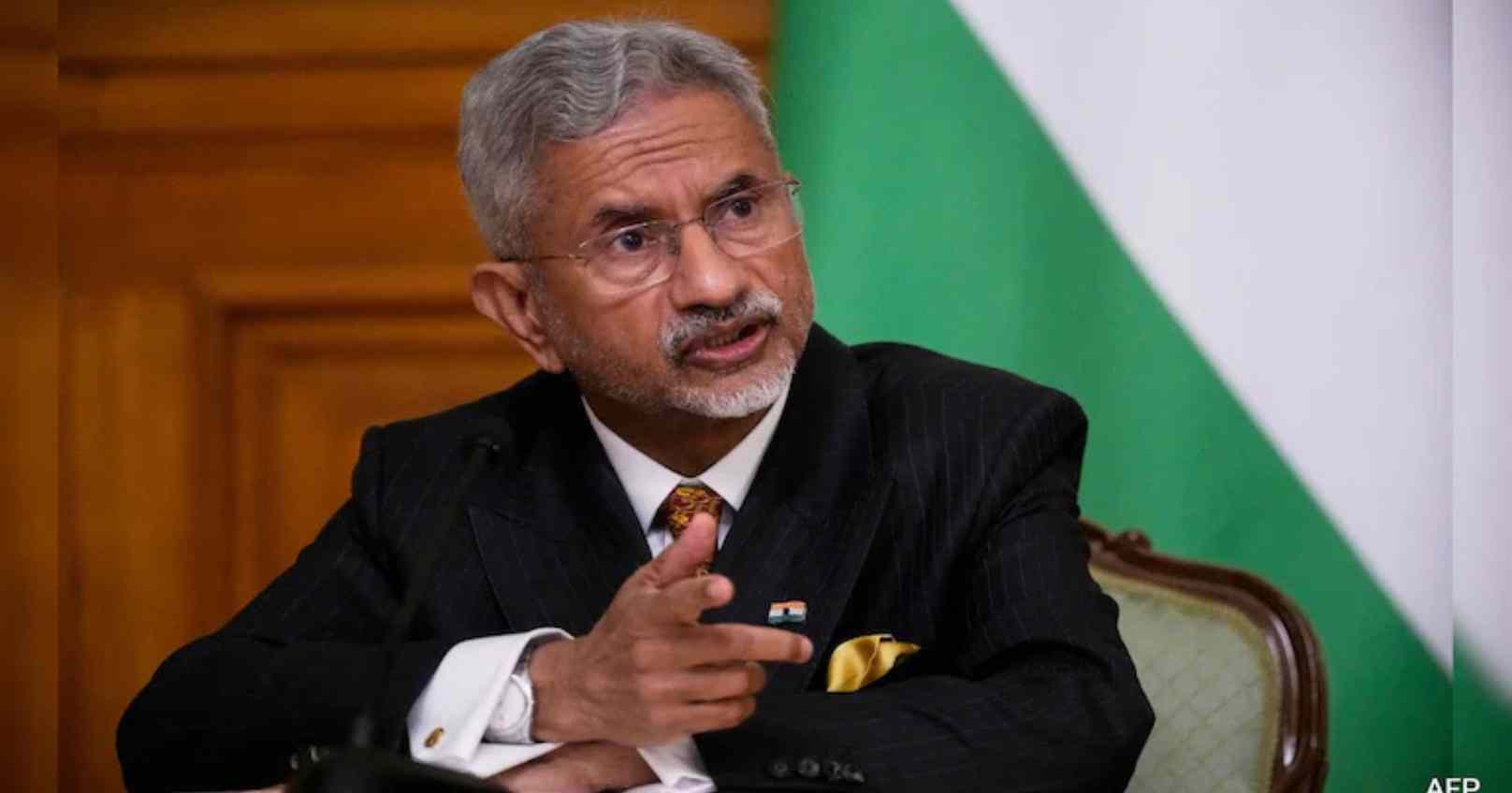
External Affairs Minister S. Jaishankar has made it clear that India will not compromise on certain core issues in its ongoing trade negotiations with the United States, stressing that the interests of farmers and small producers remain non-negotiable.
Speaking at the ET World Leaders Forum, Jaishankar said India had its own priorities and would take decisions independently, even if that meant clashing with Washington’s expectations. He also defended India’s oil imports from Russia, which have become a major point of friction in bilateral trade discussions.
“It’s ironic when people representing a pro-business administration in the US accuse others of doing business. If someone has a problem with India buying oil, the solution is simple — don’t buy from us. No one is forced. Europe buys, America buys — so if it bothers you, just don’t,” he remarked.
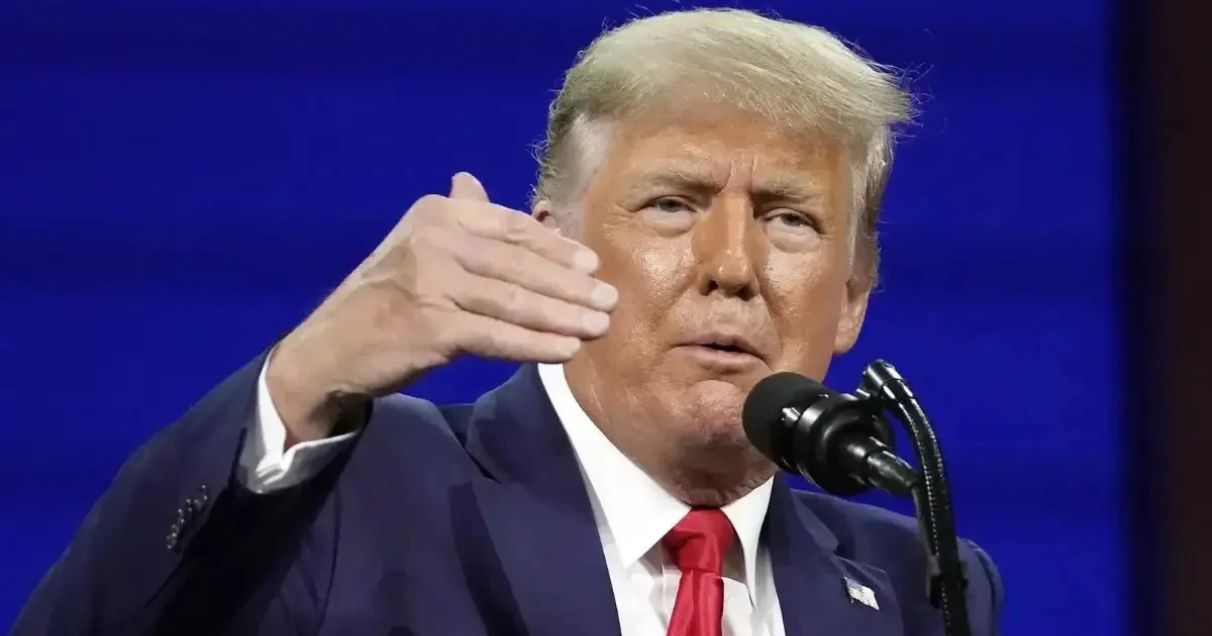
The US had earlier slapped punitive tariffs on India, arguing that New Delhi’s continued purchase of Russian crude indirectly fuels the Ukraine conflict. But oil is not the only sticking point. Multiple rounds of talks on an interim trade deal have stalled, with both sides unable to bridge gaps on agriculture and market access.
Jaishankar, however, stressed that the dialogue has not broken down. “Negotiations are very much alive. What we’ve said is that there are certain red lines. Farmers’ welfare and the survival of small producers are at the top of that list. Those are commitments we cannot dilute.”
Washington has been pressing India to open its markets to American dairy, poultry, ethanol, corn, soybeans, wheat, and nuts. New Delhi has resisted, pointing out that most US corn and soybeans are genetically modified — something India does not permit due to health and environmental concerns. Dairy access has been another contentious issue, given that the sector sustains millions of rural households in India.
Prime Minister Narendra Modi has also echoed this stance, publicly vowing that the government would not allow any policy that jeopardises the livelihood of farmers, fishermen, or cattle rearers. In his Independence Day address, he declared that his government stood “like a wall” in protecting rural India from harmful trade concessions.