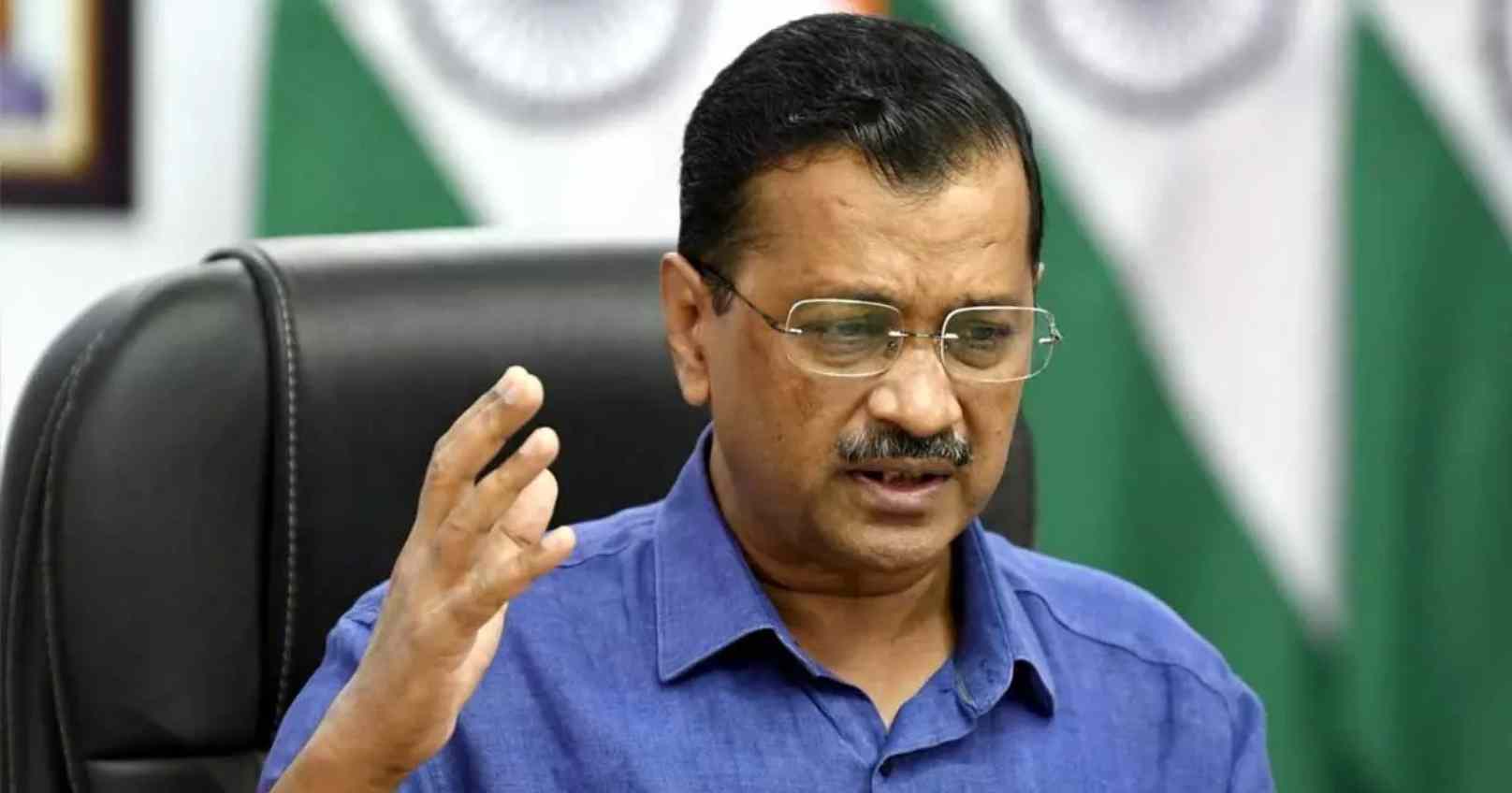
Former Delhi Chief Minister Arvind Kejriwal on Monday responded sharply to Union Home Minister Amit Shah’s remarks questioning whether it was ethical for a chief minister to govern from prison. Kejriwal maintained that his arrest in the excise policy-linked case was politically motivated and insisted that the BJP shields leaders facing serious criminal allegations.
Sharing a video of Shah’s interview with ANI, where the Home Minister defended a new bill proposing removal of ministers jailed for 30 days on serious charges, Kejriwal reminded that he had managed Delhi’s affairs from behind bars for 160 days. “Under a political conspiracy, the Centre framed me in a fake case and sent me to jail. I still ran the government from there,” he said.
Taking aim at the BJP, Kejriwal added, “If a person who inducts criminals into his party, clears their cases, and elevates them as ministers or CMs is not required to step down, why should an innocent person jailed under false charges resign?”
He further posed a counter-question: “If someone falsely implicates a leader, sends him to jail, and later he is acquitted, what punishment should the person who framed him face?”
Kejriwal, arrested in March last year by the Enforcement Directorate in the liquor policy probe, became the first serving CM in India to govern from prison. He resigned only after being granted bail. The AAP leader claimed that during his tenure from jail, Delhi still enjoyed uninterrupted services such as electricity, water supply, free medicines, and regulated private schools—contrasting it with what he described as chaos under the current Rekha Gupta-led BJP government.
AAP spokesperson Anurag Dhanda also accused the BJP of conspiring to topple the elected Delhi government. “The new law is nothing but a licence to destabilise opposition-run states. All cases against Kejriwal were part of this conspiracy,” he said, adding that Delhiites now remember Kejriwal’s “jail-time governance” more fondly compared to today’s governance.
Meanwhile, the BJP dismissed AAP’s criticism, arguing that the Opposition was shielding corruption. “Those who are friends of corruption are naturally opposing measures aimed at bringing morality into politics,” the party stated.