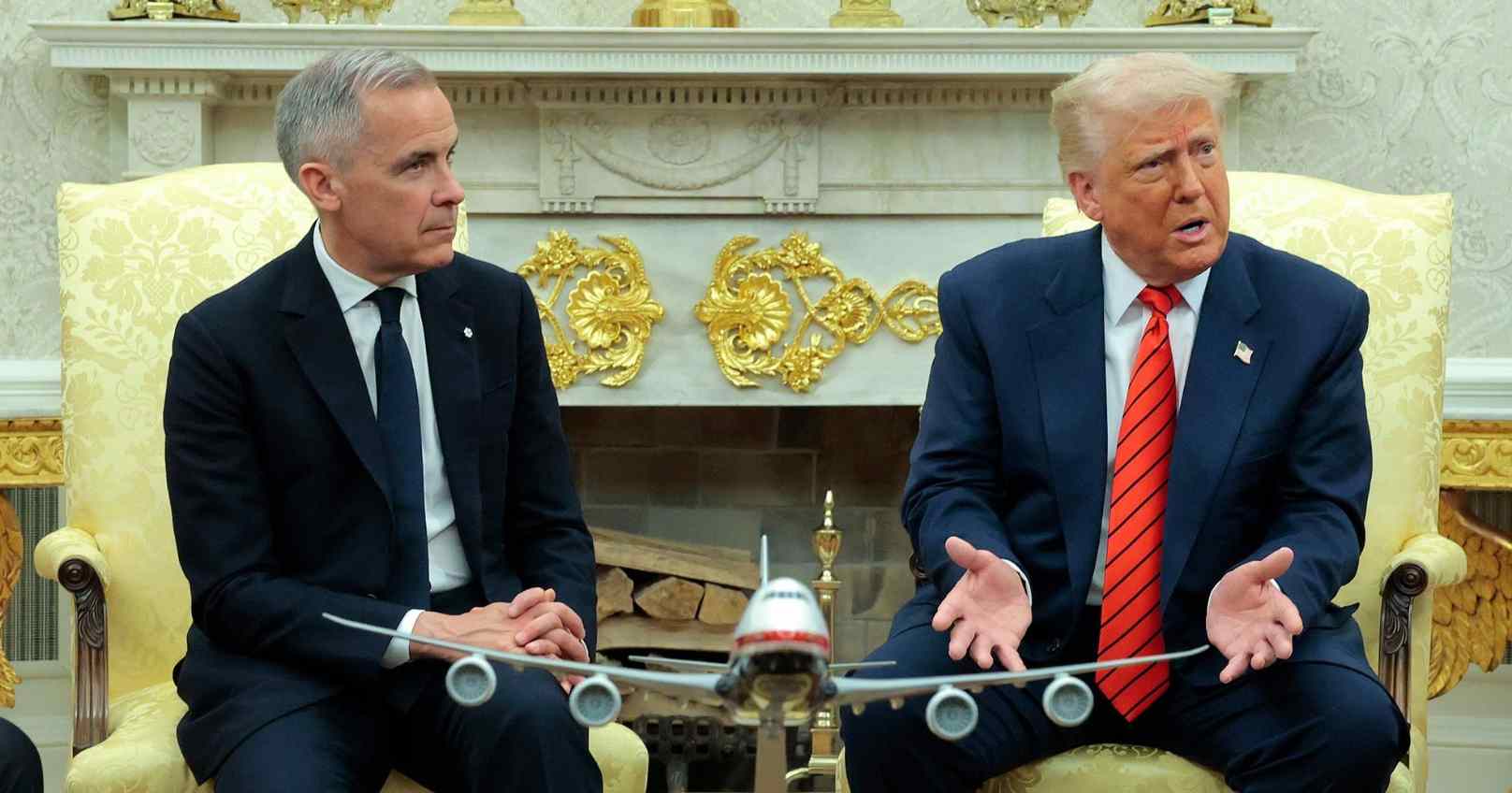
Canadian Prime Minister Mark Carney on Thursday delivered a firm rebuttal to US President Donald Trump after the American leader claimed that Canada’s existence depended on the United States. Speaking in Quebec City ahead of the opening of a new parliamentary session, Carney rejected the assertion outright while still acknowledging the long-standing ties between the two neighbours.
“Canada does not survive because of the United States,” Carney said in his address. “Canada prospers because of Canadians,” he added, while recognising the deep economic and strategic partnership shared by the two countries.
Trump responded hours later on his Truth Social platform by announcing that Canada’s invitation to join his proposed “Board of Peace” — an international body he has promoted as a platform for conflict resolution — had been withdrawn. In a post addressed directly to Carney, Trump said the offer for Canada to participate was no longer on the table.
A Canadian government source later indicated that Ottawa had no intention of paying to be part of the initiative, even though Carney had earlier signalled openness to participating.
The sharp exchange reflects growing strain in US-Canada relations, despite their status as close allies. Carney’s comments followed his widely discussed appearance earlier this week at the World Economic Forum in Davos, where he warned of cracks in the US-led global system and urged middle powers to adapt to a changing geopolitical reality. His speech, which received a standing ovation, was interpreted as a veiled critique of Trump’s approach to international affairs.
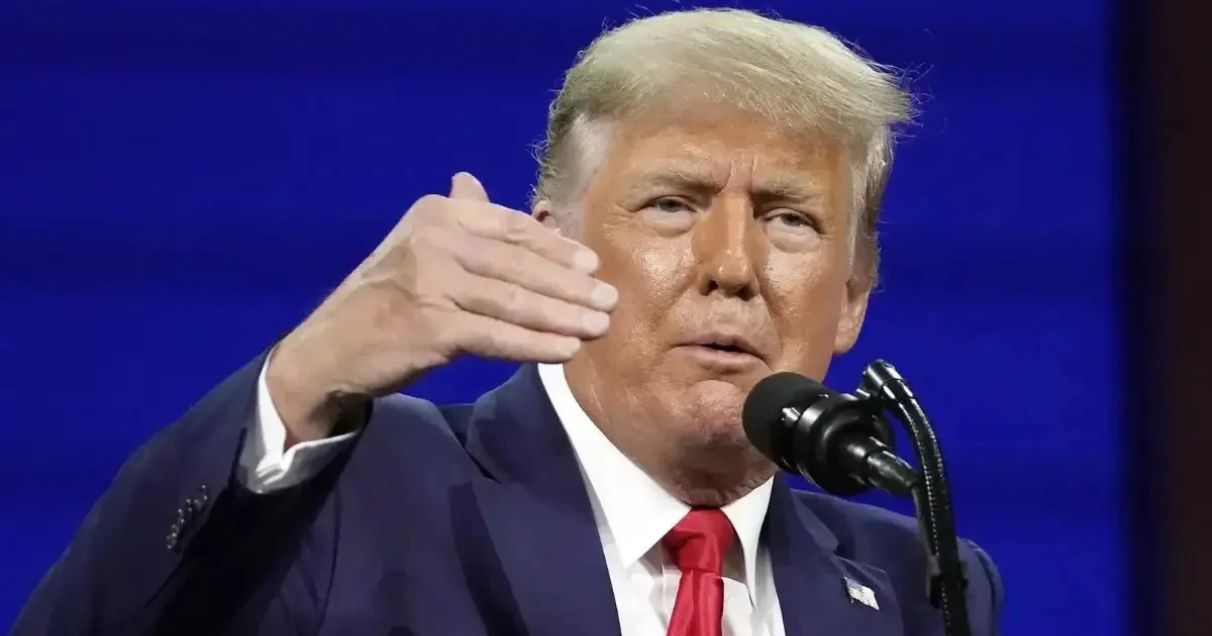
Trump appeared to take offence, referencing Carney during his own Davos address and accusing the Canadian leader of failing to show sufficient appreciation for Washington’s role.
Addressing Canadians on Thursday, Carney struck a broader tone, saying the world was entering a period of uncertainty marked by weakening alliances and democratic backsliding. He argued that Canada should position itself as an example of inclusive and democratic governance at a time when global norms are under pressure.
While Carney has frequently criticised Trump’s rhetoric since the US president returned to office, Canada remains heavily dependent on trade with the United States, which absorbs more than three-quarters of its exports. Industries such as automobiles, steel and aluminium have been affected by US tariffs, though some impacts have been softened by existing North American trade arrangements.
With trade negotiations expected later this year and Trump repeatedly questioning the need for US imports from Canada, Carney acknowledged the fragile state of global relationships. “We are under no illusions,” he said, stressing the need to protect Canada’s sovereignty, strengthen its borders and increase defence spending in an increasingly divided world.