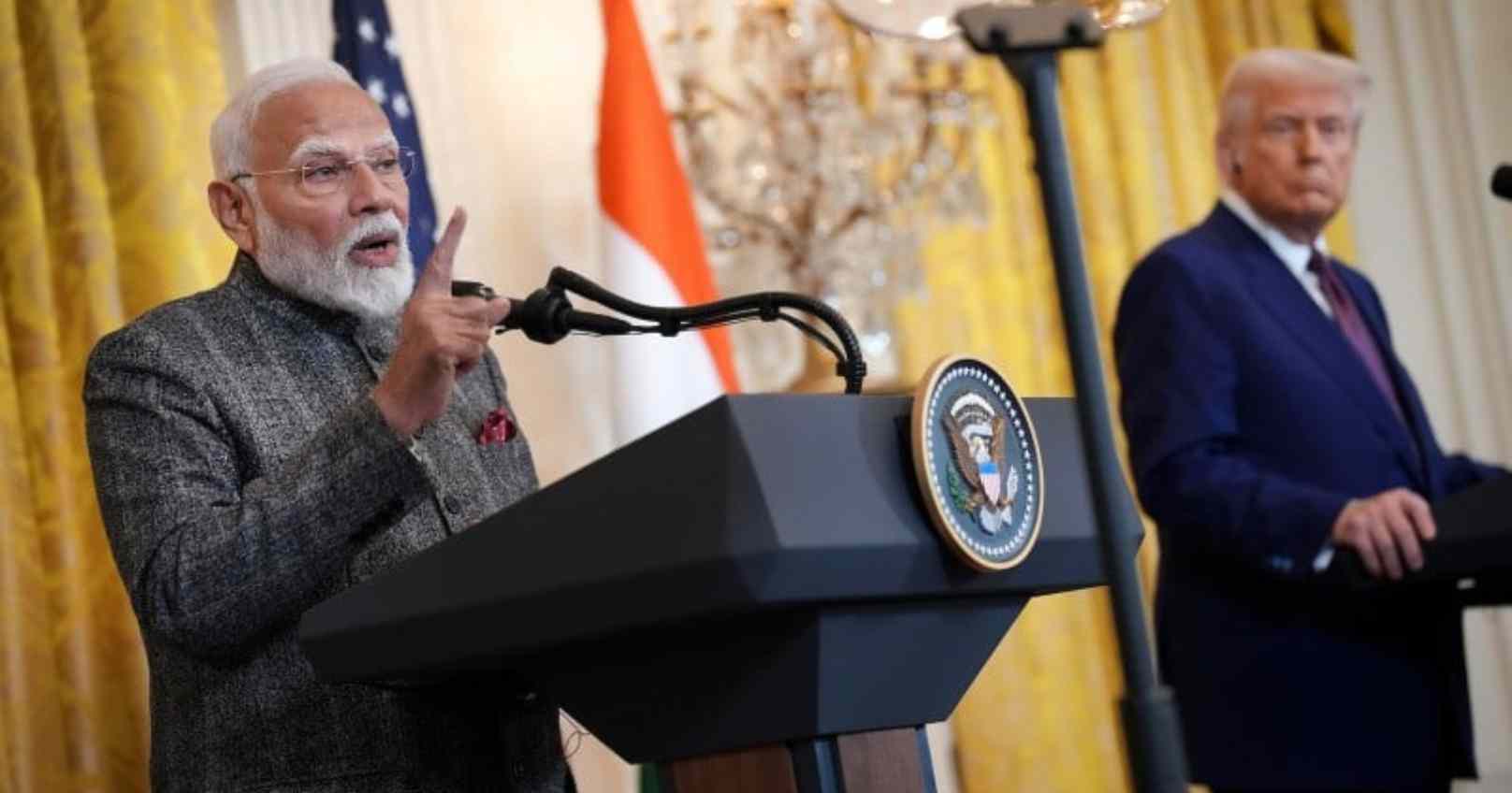
India will always put its national priorities first—even at personal and economic cost—Prime Minister Narendra Modi said on Thursday, in a strongly worded message interpreted as a direct response to US President Donald Trump’s latest tariff salvo.
While addressing the MS Swaminathan Centenary International Conference, PM Modi said India would not compromise on the well-being of its farmers, fishermen, or dairy sector, even in the face of mounting international pressure.
“The welfare of our farmers comes before anything else,” he said. “If standing by them comes at a personal cost, I’m prepared to face it. So is the nation.”
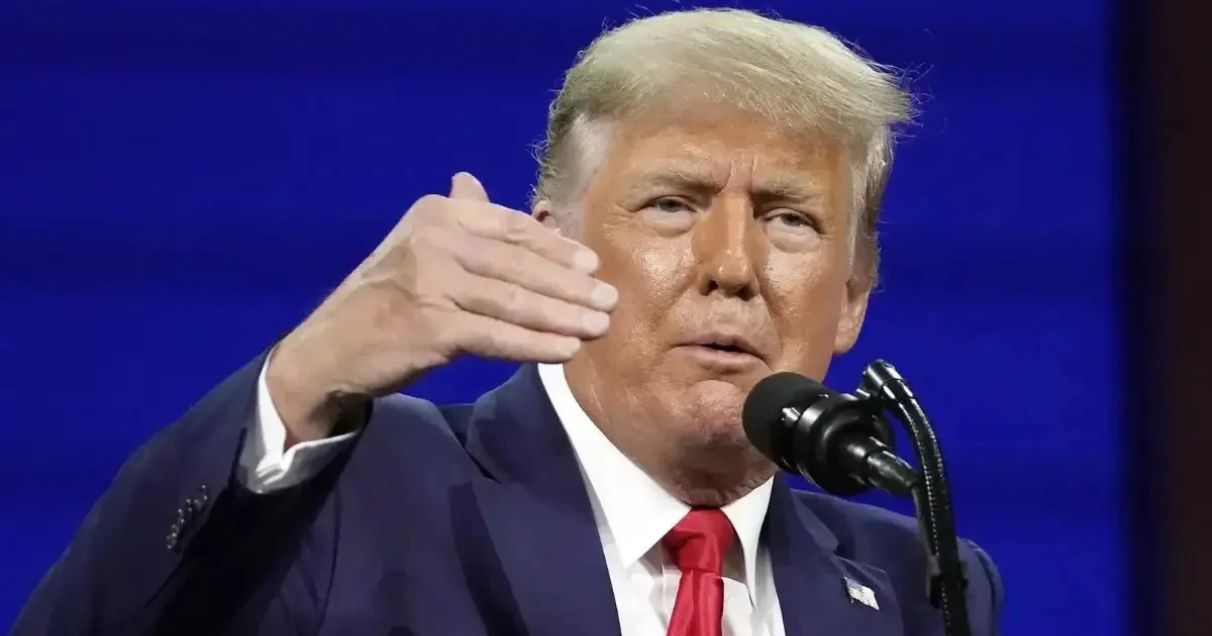
His statement came just a day after the White House imposed an additional 25% import duty on Indian products, effectively doubling the tariff rate to 50%—the highest currently applied by Washington to any trading partner. The move, widely seen as retaliatory, follows India's continued energy and defence ties with Moscow, particularly its steady imports of Russian crude oil.
Though President Trump recently referred to India as a “friend,” he also warned of a “penalty” for maintaining strong links with Russia. The latest tariffs appear to be a direct follow-through on that warning. Further, US officials have hinted at possible secondary sanctions in the days ahead.
India’s External Affairs Ministry swiftly responded, describing the measures as "unreasonable and unjust." Spokesperson Randhir Jaiswal said New Delhi would take all necessary steps to safeguard its sovereign interests and accused Washington of hypocrisy, pointing out that the US continues to buy Russian nuclear material and other strategic goods even while punishing India for similar dealings.
Trade experts suggest the tariff escalation is also a symptom of deeper frustration in Washington over stalled trade talks. Negotiations reportedly collapsed over disagreements on farm produce access and digital commerce norms.
With these new levies, India-US trade relations have reached a particularly tense phase. Indian exporters now face a heavier burden, with sectors like garments, pharmaceuticals, and food processing expected to bear the brunt of the increased costs.
The first wave of tariffs takes effect on August 7, with another hike due in three weeks unless a diplomatic resolution is reached.