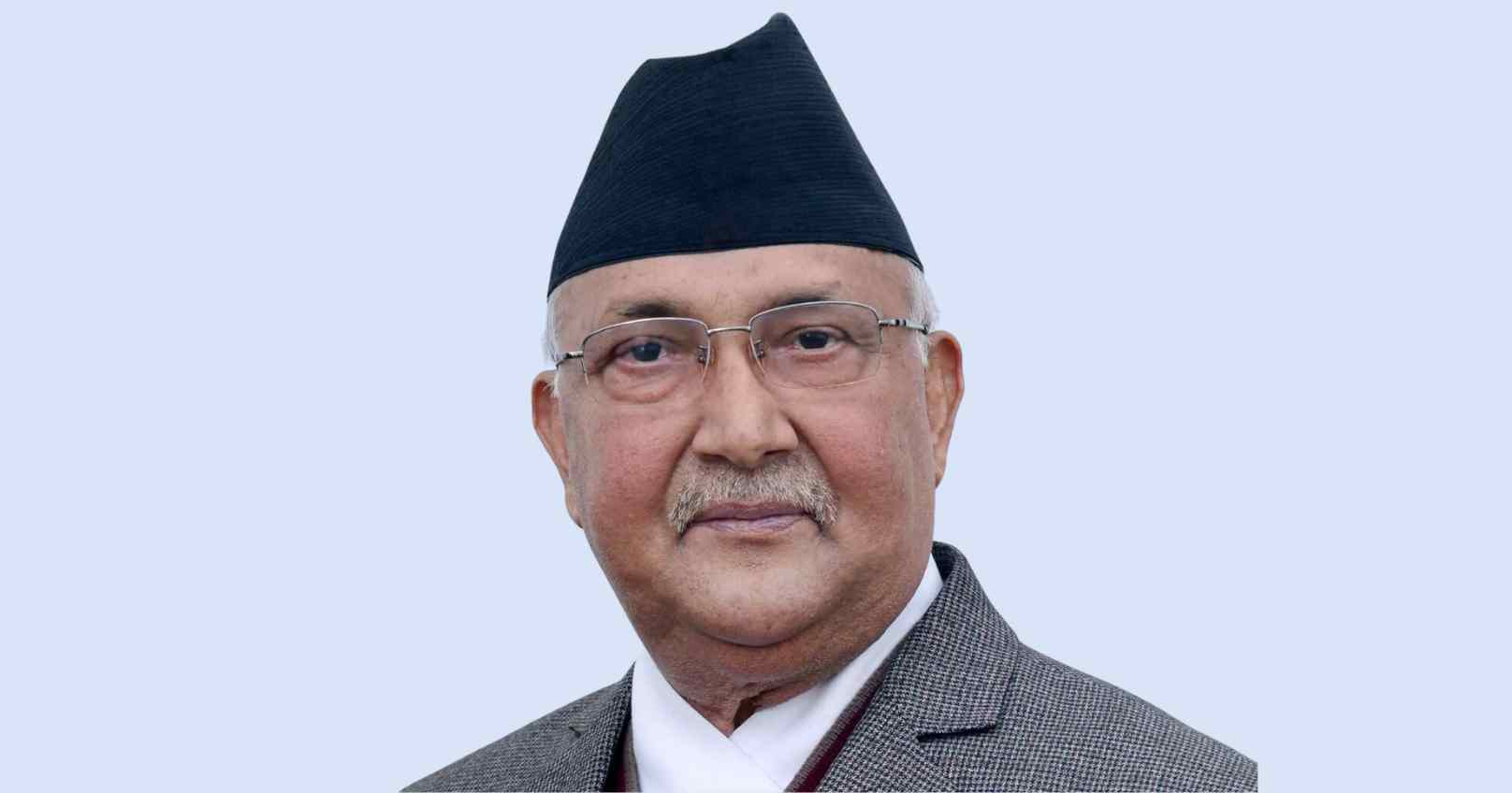
Former Nepalese Prime Minister KP Sharma Oli has accused India of orchestrating his removal from office, claiming his stance on disputed territories and religious issues angered New Delhi. Currently housed at the Nepal Army’s Shivpuri barracks, Oli sent a letter to his party’s General Secretary in which he alleged he was punished for “standing up to India.”
According to Oli, his political fate changed after he challenged India over Lipulekh, a contested border area, and questioned the widely accepted belief that Lord Ram was born in Ayodhya, Uttar Pradesh. “I lost power because I refused to accept India’s version of Ayodhya,” he declared.
These remarks came just a day after Oli stepped down amid massive youth-led protests that spiraled into the biggest unrest in Nepal in decades. What began as anger over a now-revoked social media ban turned into nationwide demonstrations against corruption, nepotism, and misgovernance.
Oli’s Ayodhya Claims
Oli is no stranger to controversy. Back in July 2020, as sitting prime minister, he claimed that Lord Ram was not Indian but Nepali. According to him, the true Ayodhya lies west of Birgunj in southern Nepal, specifically in Thori village, not in India’s Uttar Pradesh.
He went further, alleging that India had “fabricated” its Ayodhya and taken ownership of Nepal’s cultural heritage. Questioning historical accounts, Oli argued that marriages in ancient times were arranged between neighboring kingdoms, so it would have been implausible for Ram to travel such a distance from Uttar Pradesh to Janakpur to wed Sita.
His remarks ignited a political storm across the border, with Indian leaders dismissing them as groundless.
The Lipulekh Dispute
Another flashpoint was Oli’s position on the Lipulekh Pass, a sensitive border region in the Kalapani area. The disagreement stems from differing interpretations of the 1816 Treaty of Sugauli, which defined the boundary along the Kali River.
Nepal contends the river originates at Limpiyadhura, which would place Kalapani and Lipulekh firmly within its borders. India, however, maintains the river’s source is near Kalapani village, thereby making the territory part of Uttarakhand.
During Oli’s premiership, Kathmandu released an official statement insisting that Limpiyadhura, Lipulekh, and Kalapani are integral parts of Nepal. His government also urged India to stop building roads and conducting trade in the area, even informing China that the territory belonged to Nepal.
India rejected these assertions outright, with the Ministry of External Affairs describing Nepal’s claims as unjustified and lacking historical evidence. It emphasized that India-China trade through Lipulekh has been ongoing since 1954, interrupted only temporarily in recent years.