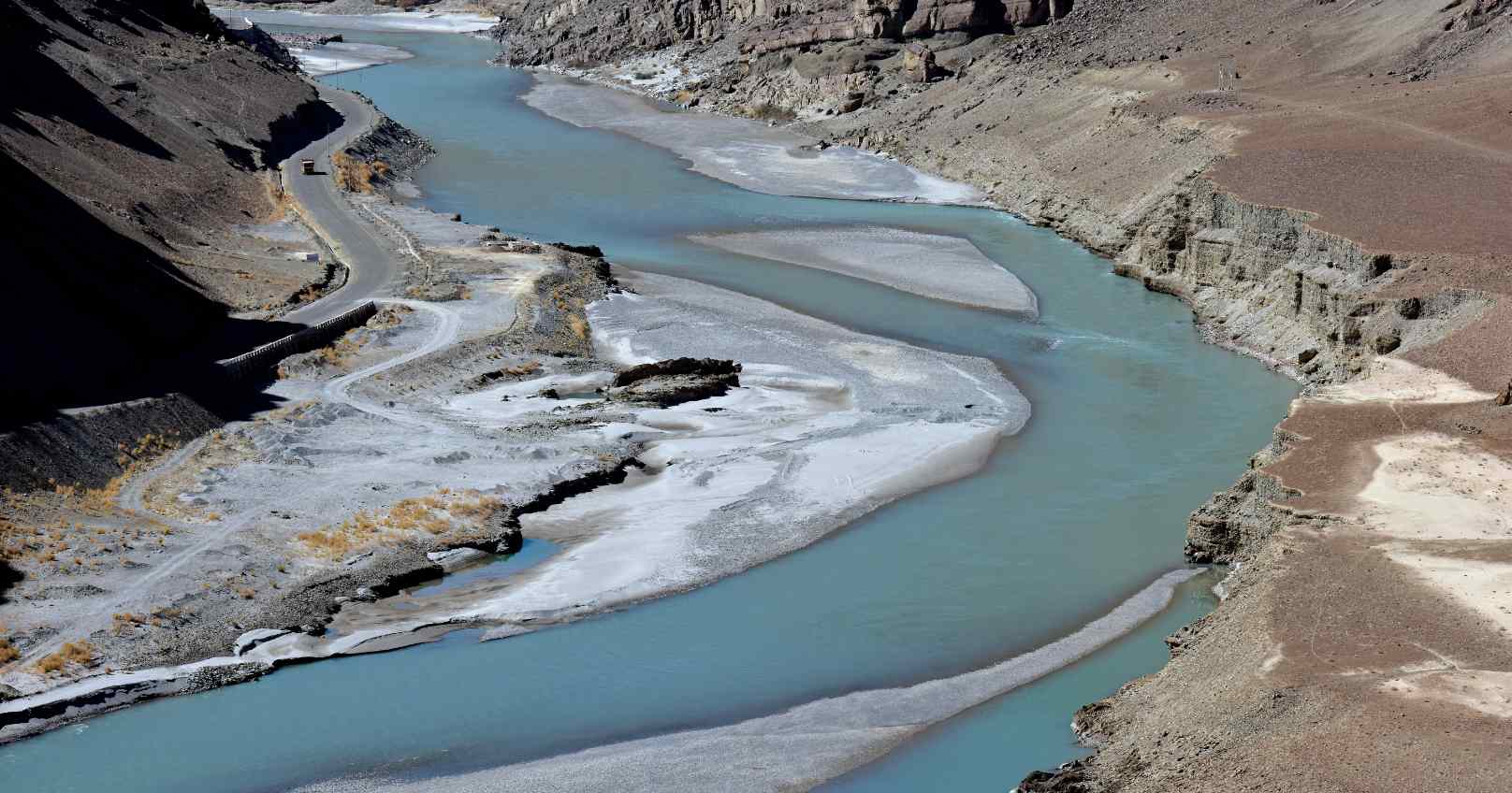
Pakistan on Monday appealed to India to reinstate the full implementation of the Indus Waters Treaty (IWT), which New Delhi had suspended in May following the April 22 terror attack in Pahalgam. Citing a recent verdict by the Permanent Court of Arbitration (PCA) in The Hague, Islamabad asserted that the treaty remains “in force and binding.”
The Court issued a “supplemental award” on June 27 in response to Pakistan’s objections over the Kishenganga and Ratle hydroelectric projects being developed by India in Jammu and Kashmir. The court maintained that it had jurisdiction over the matter, effectively supporting Pakistan’s stance that the 1960 treaty is still active.
India, however, reiterated its longstanding position that it does not recognise the jurisdiction of the PCA in this case. In a statement on Friday, the Ministry of External Affairs (MEA) rejected the latest ruling, stating: “India does not accept the so-called ‘supplemental award’... we have never recognised the legitimacy of these proceedings as a framework for dispute resolution under the Indus Waters Treaty.”
Islamabad, meanwhile, welcomed the arbitration court’s findings. Pakistan’s Foreign Office said the judgment reaffirmed the treaty’s continued validity and India’s obligation to adhere to it. “We call on India to immediately resume the regular functioning of the Indus Waters Treaty and honour its commitments under the agreement,” the statement said.
Deputy Prime Minister and Foreign Minister Ishaq Dar also weighed in, saying that the PCA ruling underscored the enduring relevance of the IWT. “Pakistan welcomes the Court of Arbitration’s supplemental award affirming its jurisdiction in the Kishenganga-Ratle case. The judgment confirms the treaty remains fully in effect, and India has no authority to unilaterally suspend it,” Dar posted on X (formerly Twitter). He added, “A nation’s commitment is judged by how it upholds its international agreements. The Indus Waters Treaty must be respected in both letter and spirit.”
India had announced several retaliatory steps against Pakistan after the April terror attack, including halting the IWT’s implementation, a move seen as unprecedented in the decades-long water-sharing pact brokered by the World Bank.