President Droupadi Murmu has approved the Viksit Bharat—Guarantee for Rozgar and Ajeevika Mission (Gramin) Bill, 2025, formally ushering in a new legal framework for rural employment in India. The assent marks the end of the Mahatma Gandhi National Rural Employment Guarantee Act (MGNREGA), which had governed rural wage employment for nearly 20 years.
The new law is positioned as part of the Centre’s long-term Viksit Bharat 2047 roadmap and introduces several structural changes to how rural job guarantees will function.
A key feature of the VB-G RAM G Act is the increase in assured employment from 100 days to 125 days per year for rural households. The government has argued that this move strengthens income security, noting that the earlier cap often limited actual access to work rather than acting as a minimum safeguard.
Another major departure lies in how the programme will be financed. Under the revised framework, both the Centre and the states will share the cost, following a 60:40 funding formula. This replaces the previous model under MGNREGA, where wage payments were fully borne by the Centre and special-category states received higher central support. According to the government, the new structure is meant to deepen state participation and accountability.
The legislation also allows for a temporary suspension of employment for up to 60 days during crucial agricultural periods such as sowing and harvesting. Officials say this provision is designed to prevent labour shortages in farming activities and better align the scheme with rural agricultural cycles.
In terms of work categories, the new Act narrows its focus to four priority areas: water conservation, essential rural infrastructure, livelihood-supporting assets, and projects aimed at improving climate resilience. The Centre has said this sharper focus will lead to more durable and economically productive outcomes.
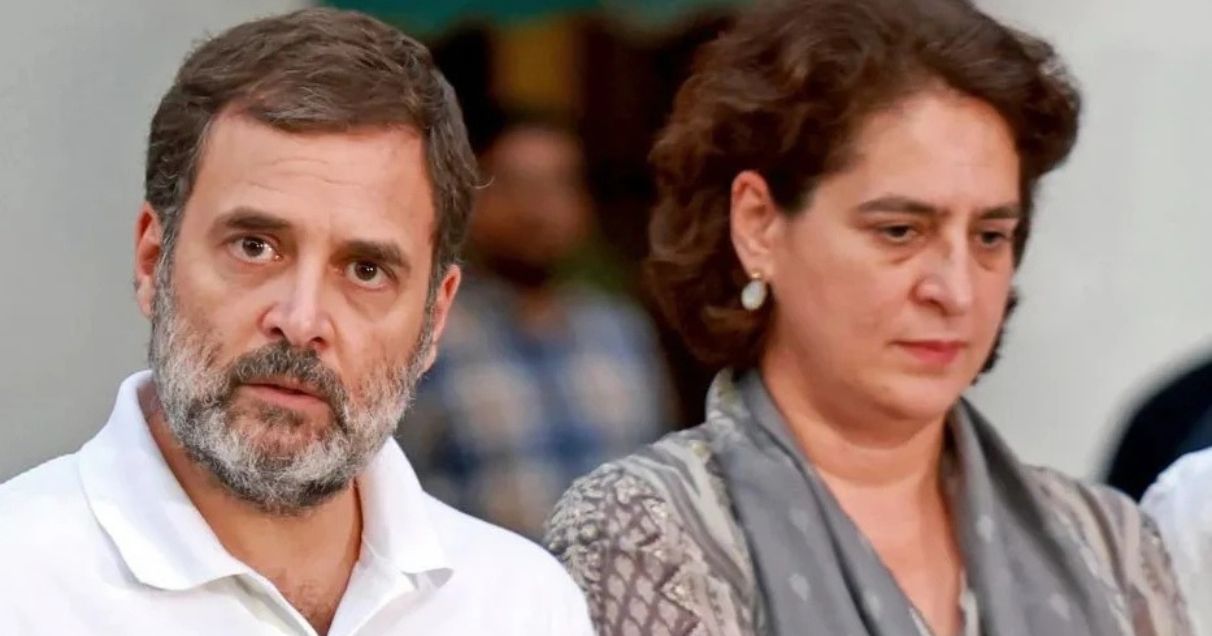
The overhaul, however, has triggered political pushback. Opposition leaders, including Rahul Gandhi and Priyanka Gandhi, have criticised the removal of Mahatma Gandhi’s name from the law and argued that the revised framework weakens the rights-based character of the original programme. They have also raised concerns about increased centralisation and potential dilution of worker protections.
Despite the criticism, the government maintains that the VB-G RAM G Act modernises rural employment policy and aligns it with future development priorities.