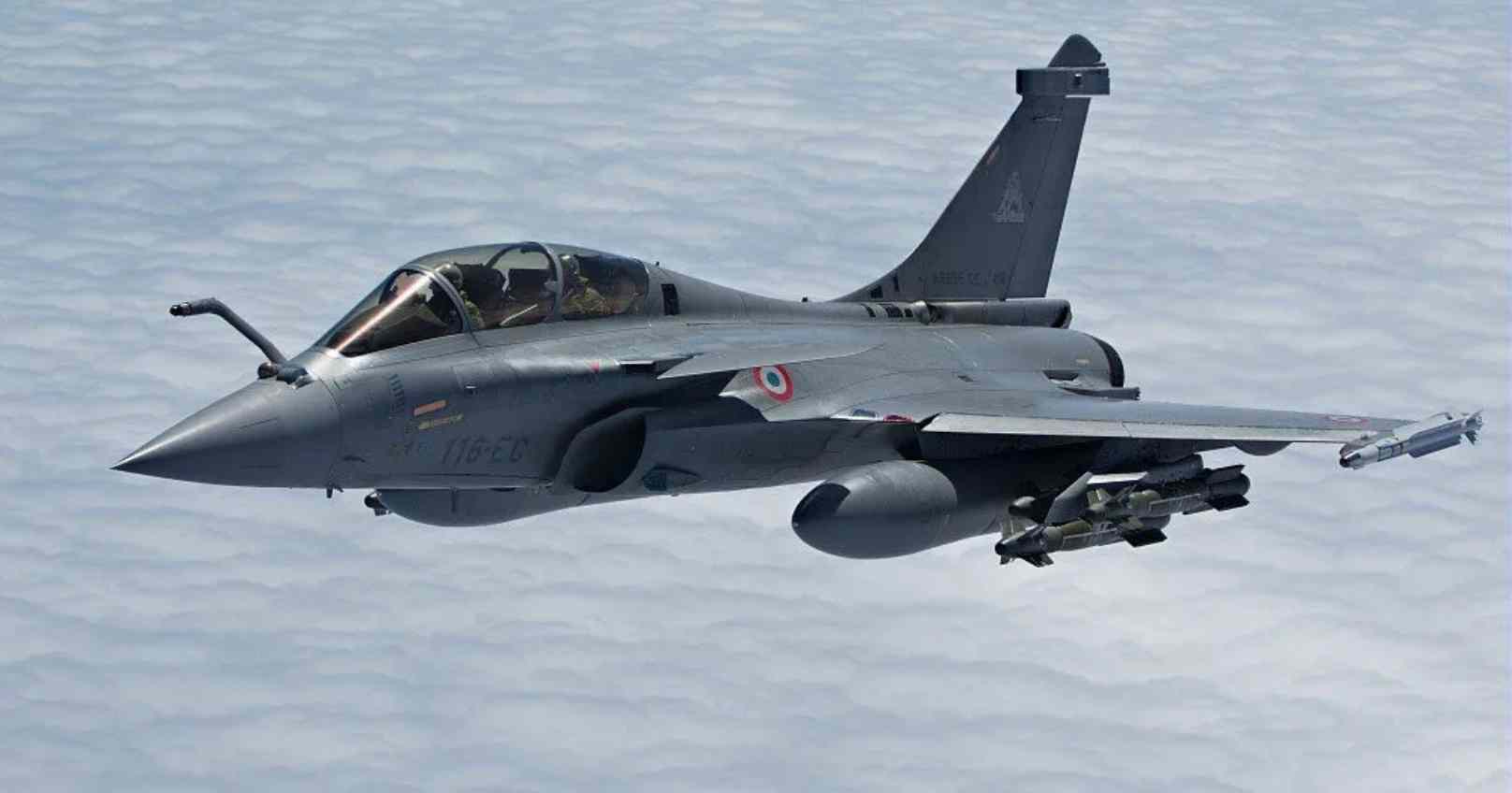
India’s effort to significantly expand its Rafale fleet has gained momentum after the Defence Procurement Board gave its initial approval to the proposal for 114 new fighter jets. The decision marks the opening stage in a multi-layered acquisition process aimed at reinforcing the Indian Air Force’s dwindling combat strength.
The proposal will next be examined by the Defence Acquisition Council, headed by Defence Minister Rajnath Singh. If cleared, the process will move to price negotiations and eventually require the nod of the Cabinet Committee on Security before a final contract can be signed.
Government sources indicated that officials from India and France are hoping to push the discussions forward during an expected interaction between Prime Minister Narendra Modi and French President Emmanuel Macron in February. The high-level engagement is being viewed as an opportunity to inject fresh urgency into negotiations that have been under way for several years.
The renewed focus on Rafale procurement stems from mounting concerns over the Air Force’s shrinking fighter fleet. Squadron strength has fallen to around 29 units, far short of the sanctioned requirement of 42.5 squadrons considered necessary to meet simultaneous threats along the northern and western fronts. The retirement of ageing MiG-21 aircraft has further widened the gap, intensifying the need for quick inductions.
Although India’s long-term plan to acquire 114 multi-role fighters under the MRFA programme remains under consideration, officials increasingly see the Rafale as the most viable near-term option. Defence planners believe that adding more of the already-inducted platform would ensure faster integration, easier logistics and continuity in training.
Officials familiar with the discussions said any future agreement is likely to emphasise domestic manufacturing. Existing cooperation between Dassault Aviation and Tata Advanced Systems in Hyderabad, where Rafale fuselage components are to be produced, is expected to play a central role. The facility could eventually cater to both Indian and international orders.
Additional proposals under consideration include setting up an engine production unit and a dedicated maintenance and overhaul hub in India. Together, these initiatives could localise a substantial portion of the aircraft’s value chain and align the deal with the government’s self-reliance objectives.
Delays in the indigenous Tejas Mk1A programme have also added pressure on the Air Force to look for interim solutions. While more than 80 Mk1A jets are on order, supply constraints and technical bottlenecks have slowed deliveries, leaving a capability shortfall in the medium term.
Against this backdrop, defence experts view the Rafale expansion as a critical measure to maintain operational readiness and restore squadron numbers until indigenous programmes gather pace.