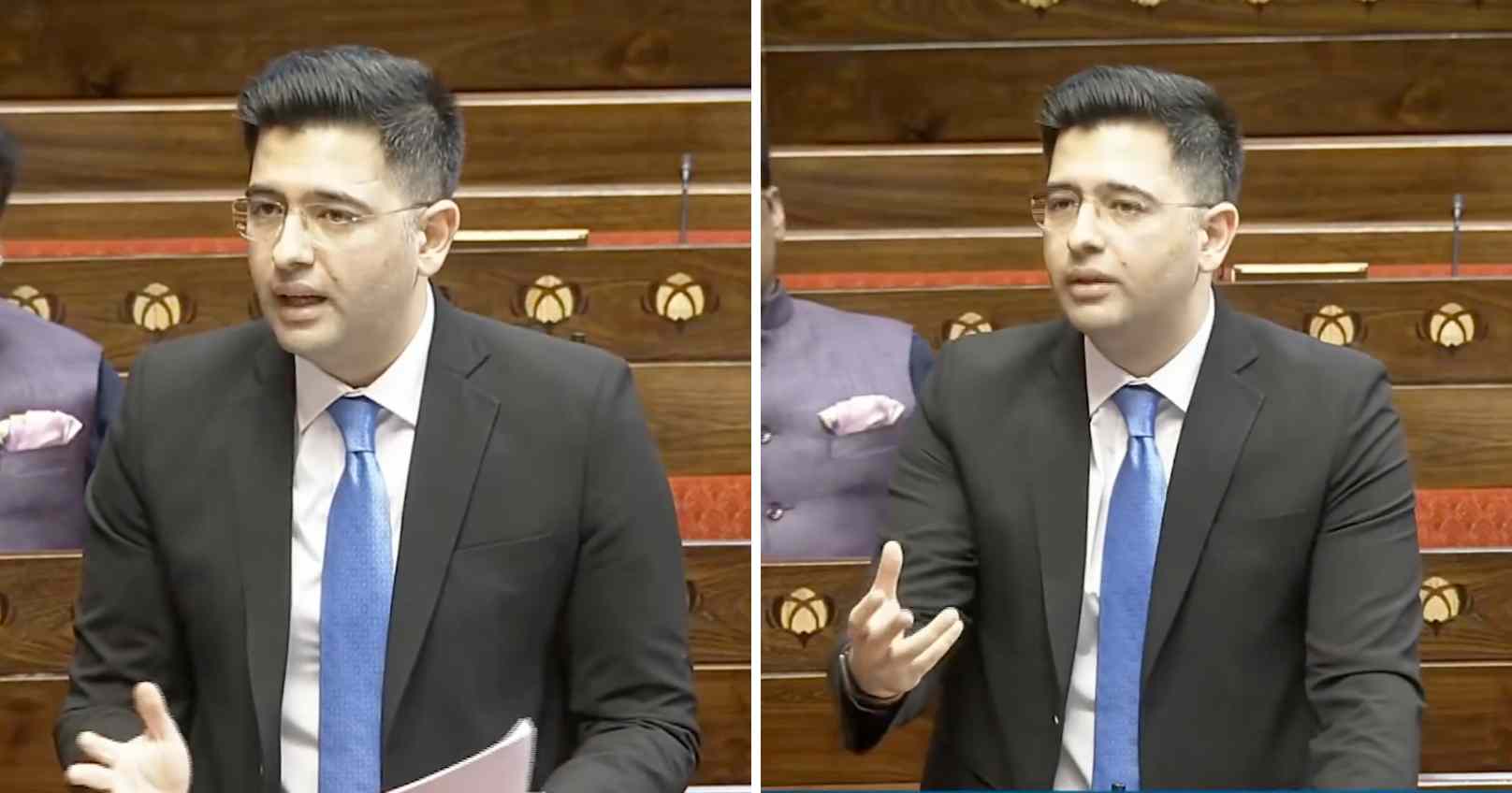
Raghav Chadha Pushes for Zero LTCG Tax on Equity Investments in Union Budget Debate
AAP MP Raghav Chadha has urged the government to remove long-term capital gains tax on equity profits to promote genuine long-term investing
09-02-2026

During the discussion on the Union Budget 2026–27 in Parliament, Aam Aadmi Party MP Raghav Chadha called on the government to abolish the long-term capital gains (LTCG) tax on equity investments for individual investors.
Chadha argued that the current 12.5% tax on equity gains above ₹1.25 lakh discourages long-term wealth creation, especially at a time when the government has already increased the Securities Transaction Tax (STT) on derivatives to reduce speculative trading.
He welcomed the recent hike in STT, noting that the tax on futures has risen from 0.02% to 0.05%, while options trading now attracts STT of up to 0.15%. Referring to data from SEBI, Chadha pointed out that around 90% of retail participants in futures and options suffer financial losses, effectively turning derivatives trading into a high-risk activity.
The MP highlighted that when STT was first introduced, equity gains were exempt from long-term capital gains tax. He argued that maintaining both STT and LTCG simultaneously puts an unnecessary burden on investors and reduces incentives to stay invested in equities for the long term.
Chadha also cited global examples such as Singapore, Switzerland, and the UAE, where equity gains are largely tax-free, suggesting that India could adopt a similar approach to strengthen household wealth and attract more long-term capital into stock markets.
His remarks received a positive response from sections of the investor community. However, the National Stock Exchange raised concerns that higher transaction taxes on derivatives could negatively impact market participation and liquidity.
The ongoing debate reflects a broader policy dilemma—balancing investor protection, discouraging speculative trading, and encouraging long-term financial growth.

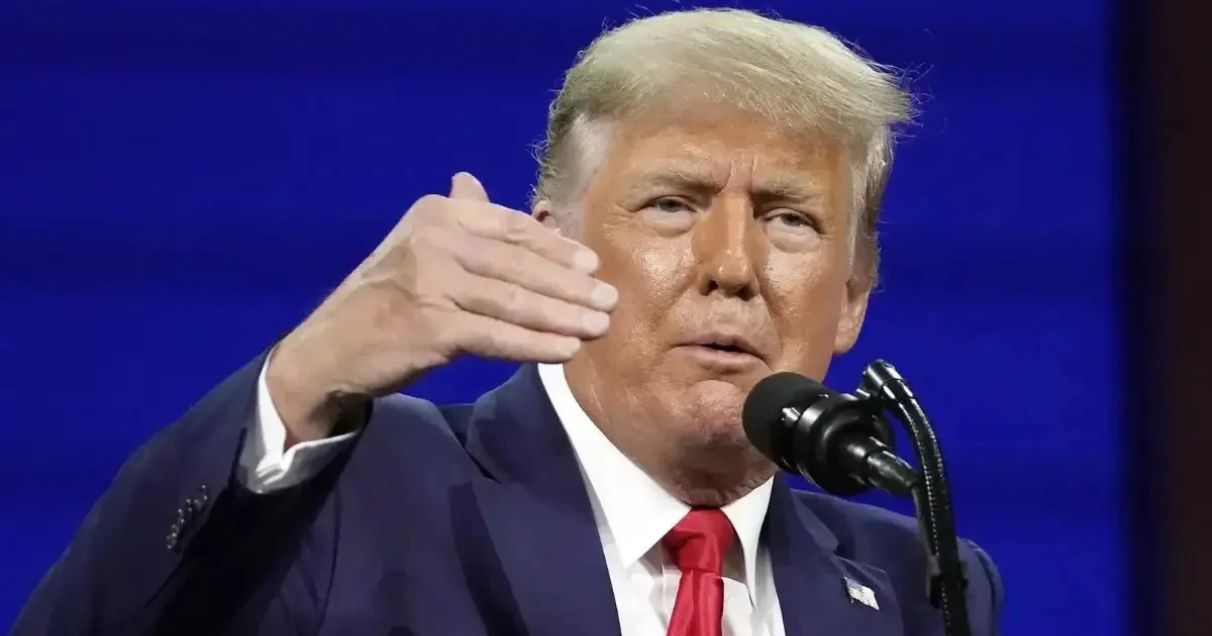
Donald Trump has again claimed that threats of 250 per cent tariffs helped stop the 2025 India-Pakis
Read More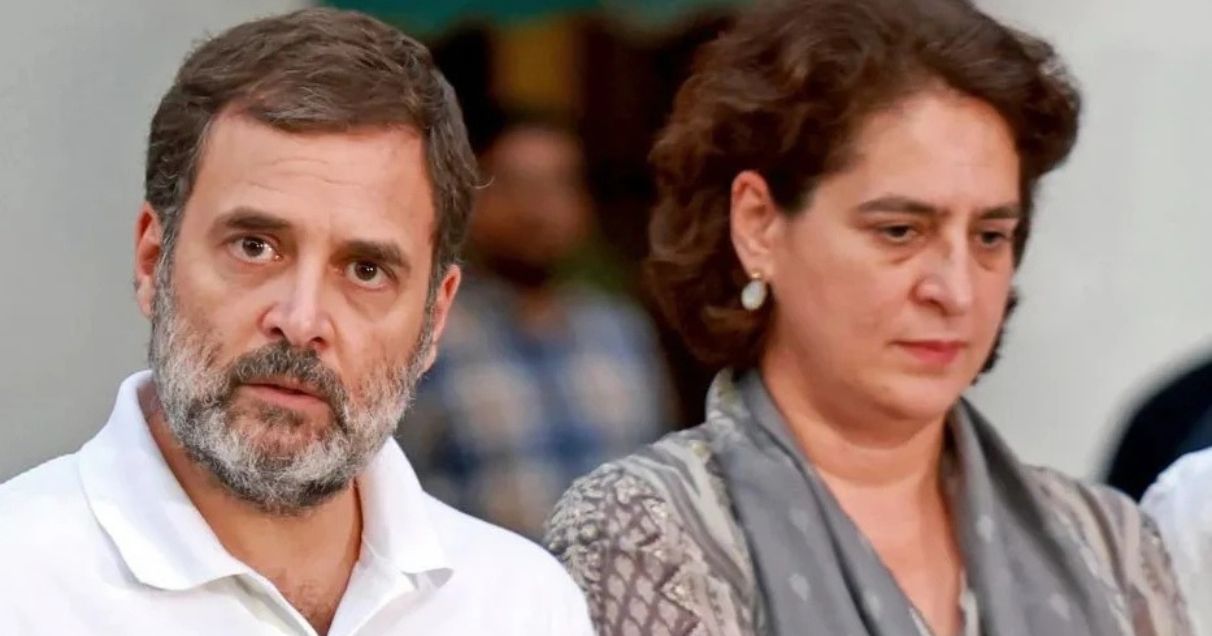
The BJP has alleged a rift between Rahul Gandhi and Priyanka Gandhi Vadra over the removal of photog
Read More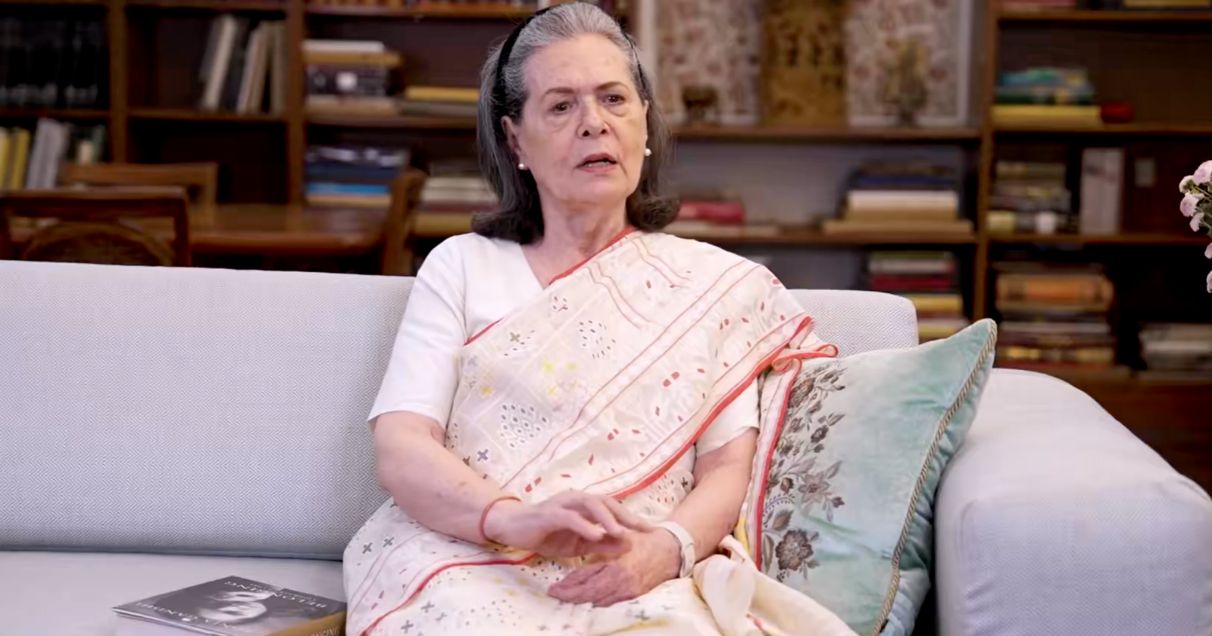
Sonia Gandhi has joined X with a memory of meeting Rajiv Gandhi in Cambridge, introducing her upcomi
Read More