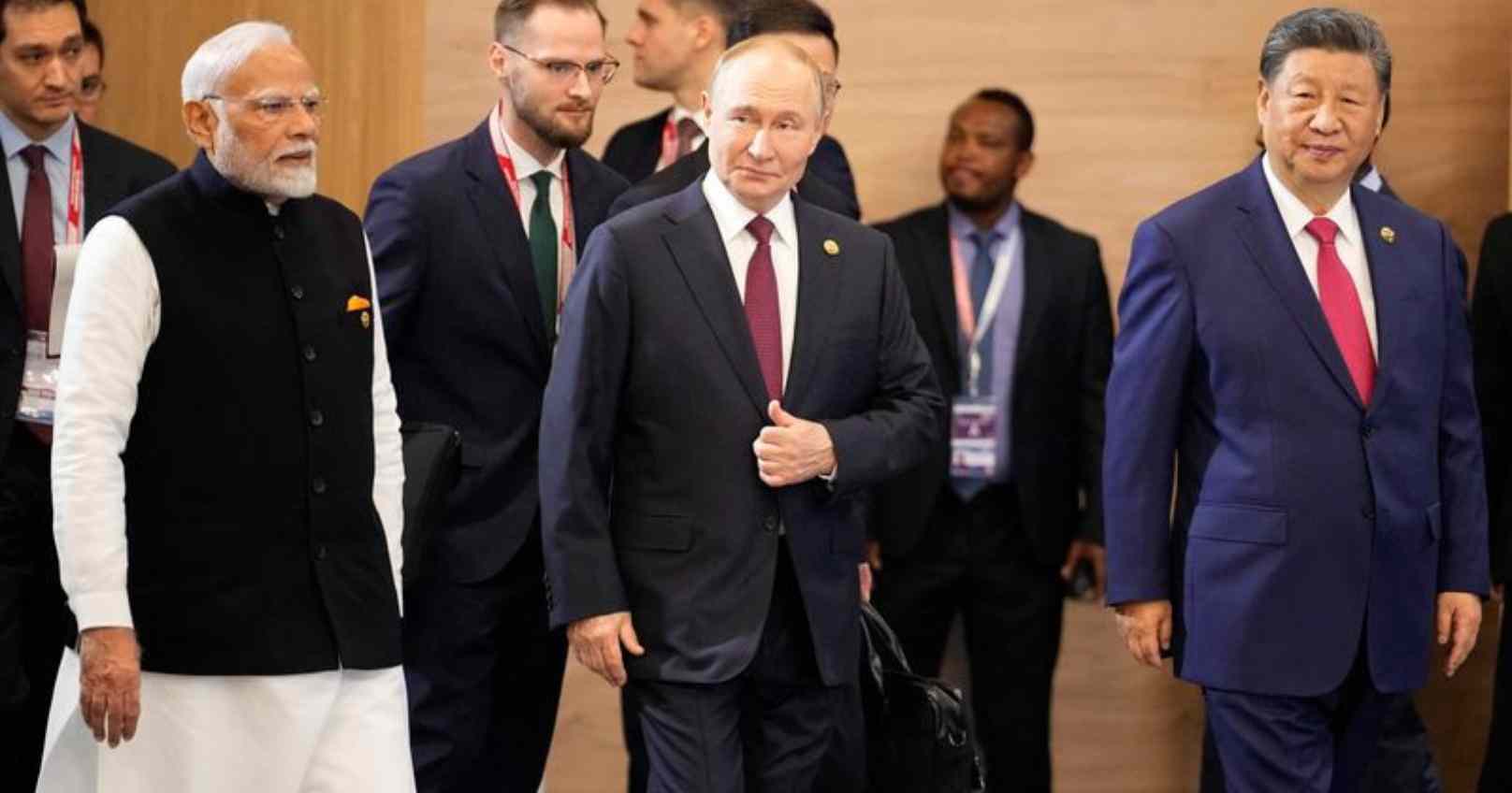
As global trade hostilities escalate, the Shanghai Cooperation Organisation (SCO) summit in Tianjin from August 31 to September 1 is expected to sharpen the divide between the United States and a growing coalition of nations led by China. President Xi Jinping will host Prime Minister Narendra Modi, Russian President Vladimir Putin, and leaders from South Asia, Central Asia, the Middle East, and Southeast Asia, signaling Beijing’s intent to present a strong counterweight to Washington.
Analysts suggest the gathering will highlight both bloc expansion and China’s effort to project a “post-American” vision of global order. Eric Olander, editor-in-chief of The China-Global South Project, told Reuters that Xi intends to demonstrate how recent US attempts to isolate Beijing, Moscow, Tehran, and New Delhi have not achieved their objectives.
The summit, seen as the largest in SCO’s two-decade history, will emphasize multipolarity and regional solidarity. Yet, observers caution that while the bloc’s membership has grown—10 permanent states and 16 observers—its ability to deliver concrete results remains uncertain. Manoj Kewalramani of the Takshashila Institution noted that the SCO’s goals and implementation strategies often remain vague.
Even so, the platform offers strategic value. Experts believe India and China could use the occasion to cool tensions following their prolonged border standoff. Expected outcomes may include troop pullbacks, trade facilitation, and visa relaxations—steps that could build trust and cooperation in broader areas like climate change.
Despite its limitations in tackling hard security challenges, the SCO’s symbolic role in presenting a united challenge to US policies is undeniable. A Chinese foreign ministry spokesperson called the grouping “a crucial force in shaping a new model of international relations.”